


























Travel Capitalist Ventures Expands Check Size to $10 Million to Deepen Emerging Market Conviction
Boutique Travel VC raises investment cap from $1.5M to $10M to lead rounds and support portfolio companies through growth Travel...
Read moreDetails

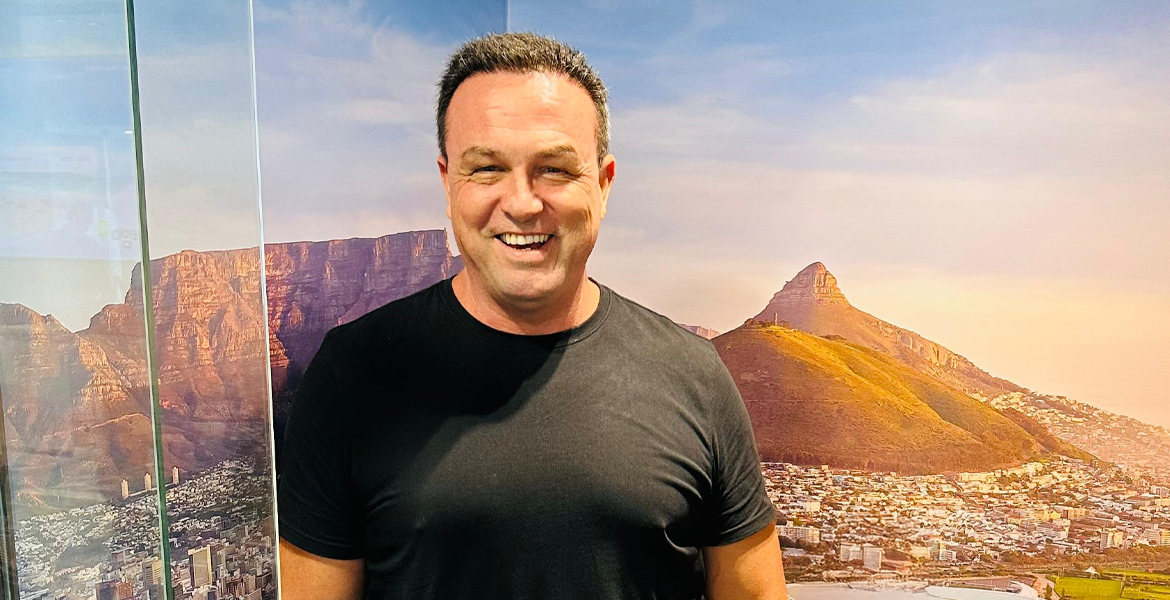
UNICEF Representative Etona Ekole and Wild Horizons CEO Gary Archer.
Article Summary:
UNICEF Zimbabwe and Wild Horizons, part of the Tourvest Group, have announced a partnership aimed at enhancing community resilience and improving access to education, clean water, and sustainable livelihoods in Victoria Falls. This collaboration leverages UNICEF’s expertise in child-focused development and Wild Horizons’ community engagement to create a scalable model for climate-resilient schools. Gary Archer, CEO of Wild Horizons, emphasized the partnership’s focus on tangible action for children and communities, highlighting the combination of technical expertise and community ties to deliver lasting impact.
Key Points:
Actionable Takeaways:
Contextual Insights:
The partnership between UNICEF and Wild Horizons reflects a broader trend in the travel industry towards sustainability and social responsibility. Recent travel trends indicate a growing consumer demand for experiences that offer tangible benefits to local communities and contribute to environmental conservation. This initiative aligns with the increasing emphasis on responsible tourism, where travel companies are not only focused on providing memorable experiences but also on ensuring that these experiences lead to positive, lasting impacts on the communities they engage with.
Moreover, the focus on climate-resilient infrastructure is particularly relevant in regions like Victoria Falls, which are vulnerable to the effects of climate change. As the travel industry continues to recover from the disruptions caused by the COVID-19 pandemic, there is a renewed focus on building sustainable and resilient tourism models that can withstand environmental challenges. This partnership serves as a case study for how travel companies can integrate innovative, community-driven solutions into their operations, thereby contributing to both social development and environmental sustainability.
In summary, the collaboration between UNICEF and Wild Horizons not only showcases a successful partnership aimed at addressing critical community needs but also sets a precedent for how travel companies can leverage expertise and community engagement to drive meaningful change. This approach is likely to gain traction as the industry continues to evolve, emphasizing sustainability, social impact, and responsible tourism practices.
Read the Complete Article.
Boutique Travel VC raises investment cap from $1.5M to $10M to lead rounds and support portfolio companies through growth Travel...
Read moreDetails




