







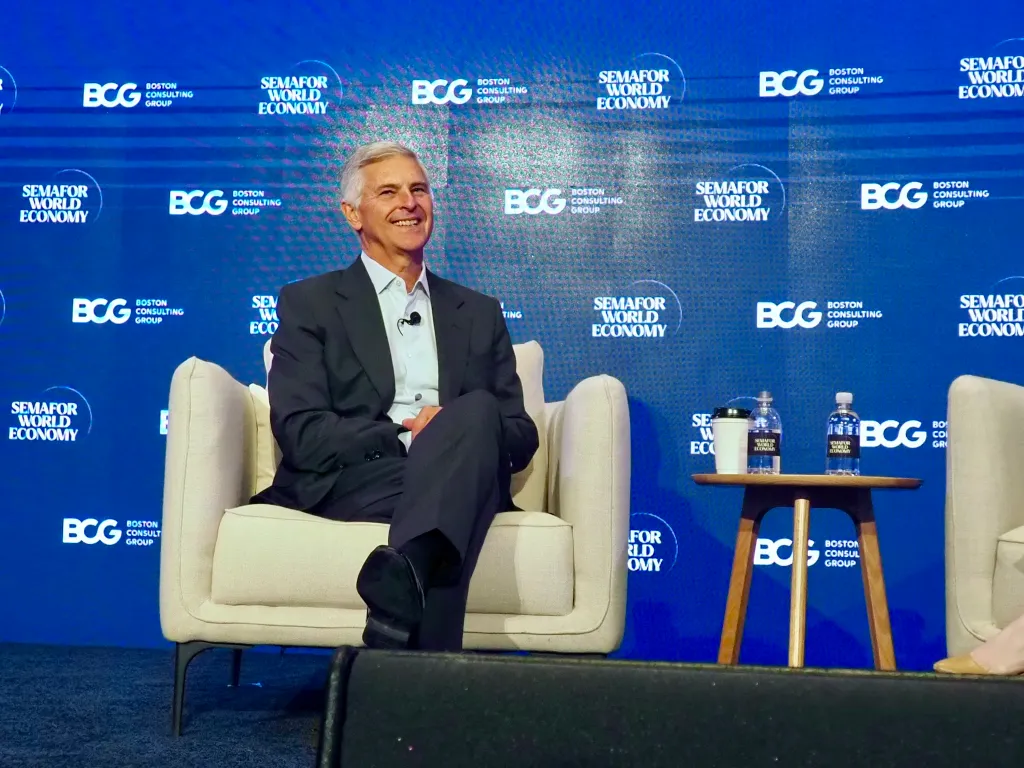










Travel Capitalist Ventures Expands Check Size to $10 Million to Deepen Emerging Market Conviction
Boutique Travel VC raises investment cap from $1.5M to $10M to lead rounds and support portfolio companies through growth Travel...
Read moreDetails
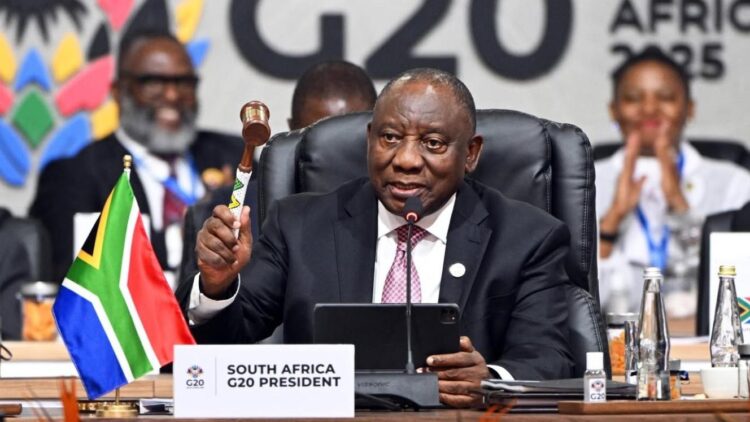
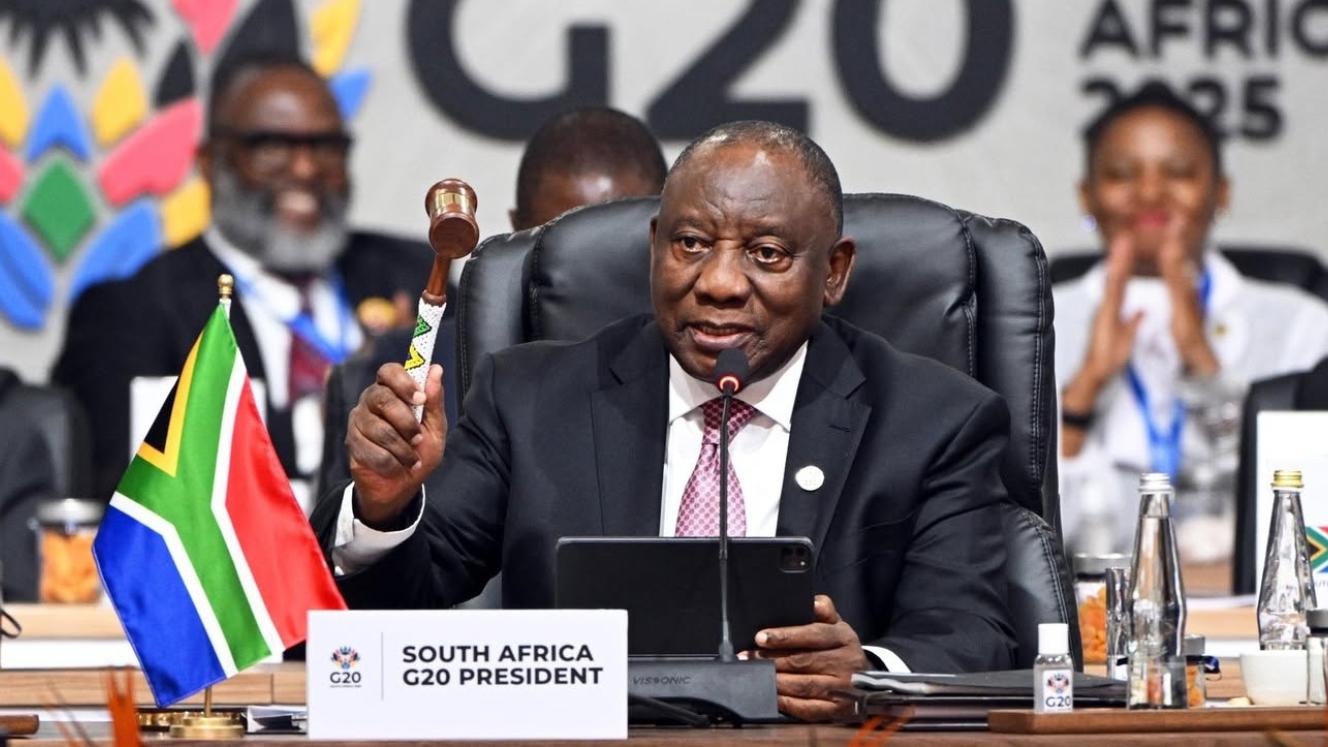
Tourists undeterred by US-SA political tensions
Article Summary:
The article discusses President Cyril Ramaphosa’s criticism of the US stance on South Africa, described as “regrettable” following the US’ non-participation in the G20 Leaders’ Summit. Ramaphosa attributed this stance to “baseless and false accusations” and a campaign of disinformation within the US. The US President, Donald Trump, later posted on social media about South Africa not receiving an invitation, though the article does not provide further details on this invitation. The context is set against the backdrop of recent travel trends and insights from thought leaders, highlighting the impact of misinformation and political stances on international relations and travel.
Key Points:
Actionable Takeaways:
Contextual Insights:
The article reflects current trends in international relations where political decisions can significantly impact travel and tourism. With the rise of social media and instant communication, misinformation can spread rapidly, affecting public opinion and diplomatic relations. For the travel industry, this means a heightened need for vigilance in managing public perception and ensuring accurate, transparent communication. Additionally, the article aligns with the growing trend of integrating technology in travel to combat misinformation and enhance customer trust. Innovations in travel tech, such as AI-driven fact-checking tools and blockchain for secure travel documentation, could play a crucial role in maintaining the integrity of travel information and enhancing customer confidence in travel services.
Read the Complete Article.
Boutique Travel VC raises investment cap from $1.5M to $10M to lead rounds and support portfolio companies through growth Travel...
Read moreDetails




