



















Travel Capitalist Ventures Expands Check Size to $10 Million to Deepen Emerging Market Conviction
Boutique Travel VC raises investment cap from $1.5M to $10M to lead rounds and support portfolio companies through growth Travel...
Read moreDetails
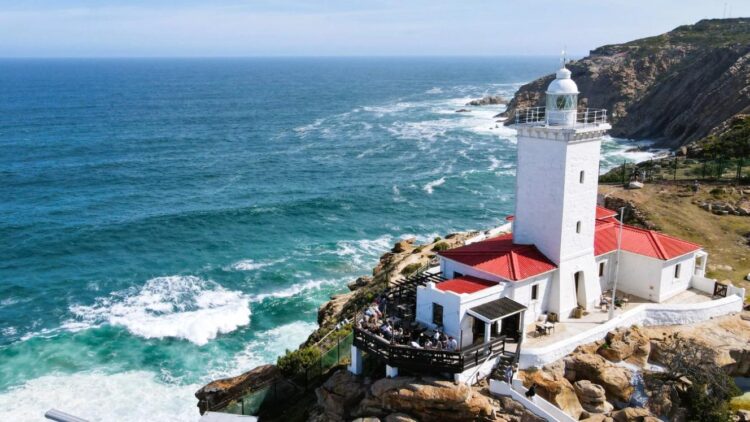
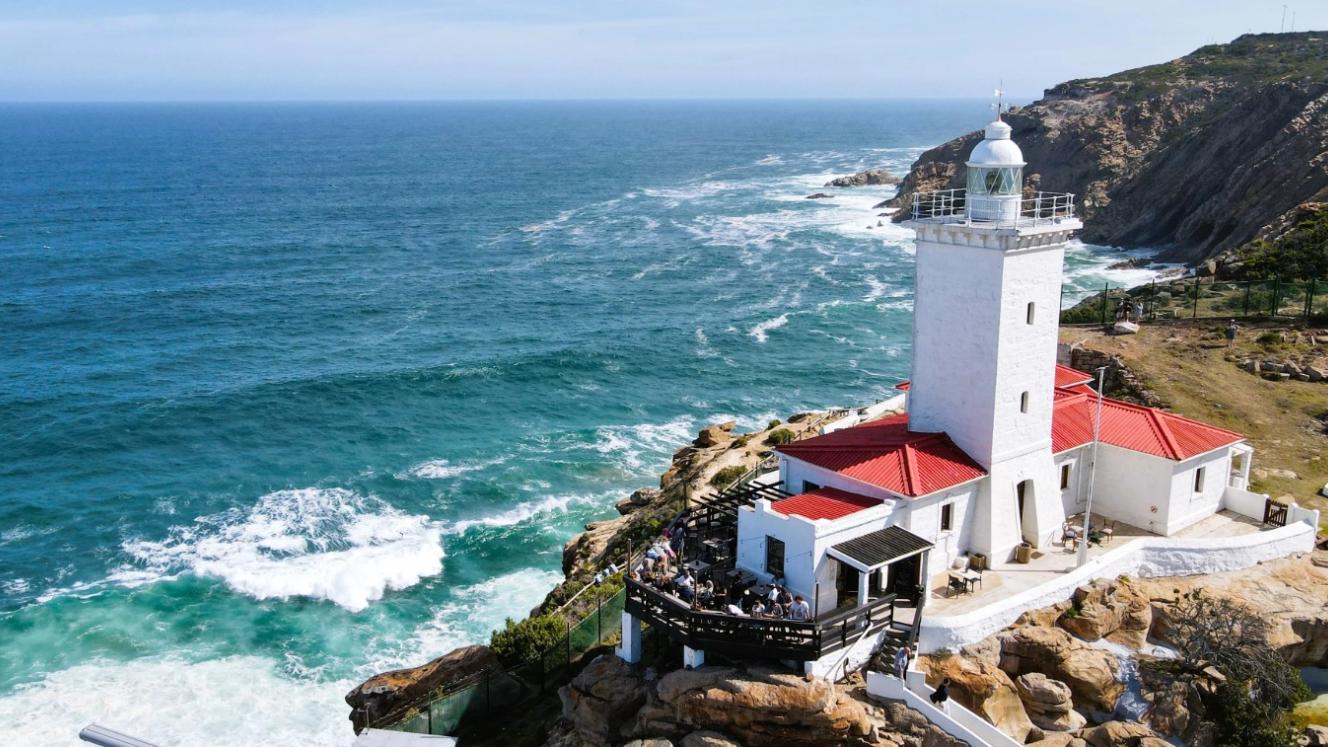
Western Cape expects wider geographic spread
Article Summary:
Western Cape tourism officials are anticipating a summer season with increased occupancies in smaller towns, driven by growing interest from the travel trade in multi-region itineraries and longer average stays. While Cape Town remains a key focus in global marketing campaigns, the real emphasis is on directing travelers to other regions such as the Winelands, Overberg, West Coast, Cape Karoo, Garden Route, and Klein Karoo. Wesgro CEO Wrenelle Stander emphasized the importance of promoting these regions and their unique visitor experiences to both established and new markets, both domestically and internationally.
Key Points:
Actionable Takeaways:
Contextual Insights:
The article reflects current industry trends towards multi-region travel itineraries, driven by travelers seeking diverse experiences and longer stays. This shift is supported by recent data indicating a growing interest in exploring beyond popular tourist hubs, such as Cape Town, to discover the unique offerings of regions like the Winelands and Garden Route. The emphasis on targeted destination marketing aligns with the rise of personalized travel experiences, where travelers are increasingly looking for curated itineraries that cater to their specific interests. Furthermore, the focus on longer average stays suggests a trend towards deeper engagement with destinations, encouraging tourism stakeholders to develop offerings that enhance visitor satisfaction and encourage repeat visits. These insights underscore the importance of adapting marketing strategies to meet the evolving expectations of modern travelers, who prioritize unique, immersive experiences over traditional, single-point attractions.
Read the Complete Article.
Boutique Travel VC raises investment cap from $1.5M to $10M to lead rounds and support portfolio companies through growth Travel...
Read moreDetails




