

















Travel Capitalist Ventures Expands Check Size to $10 Million to Deepen Emerging Market Conviction
Boutique Travel VC raises investment cap from $1.5M to $10M to lead rounds and support portfolio companies through growth Travel...
Read moreDetails
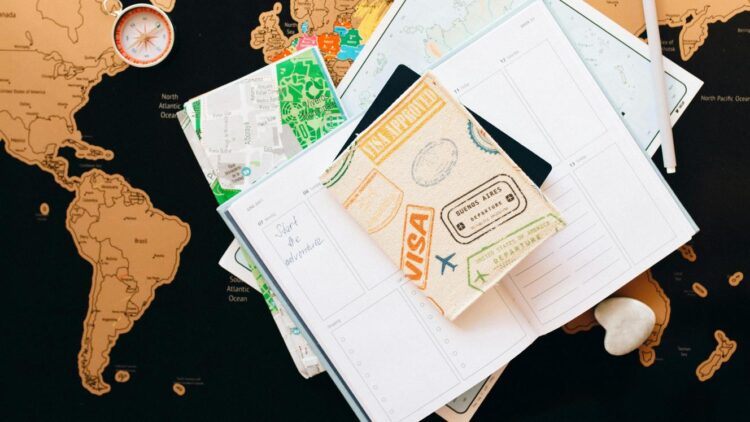
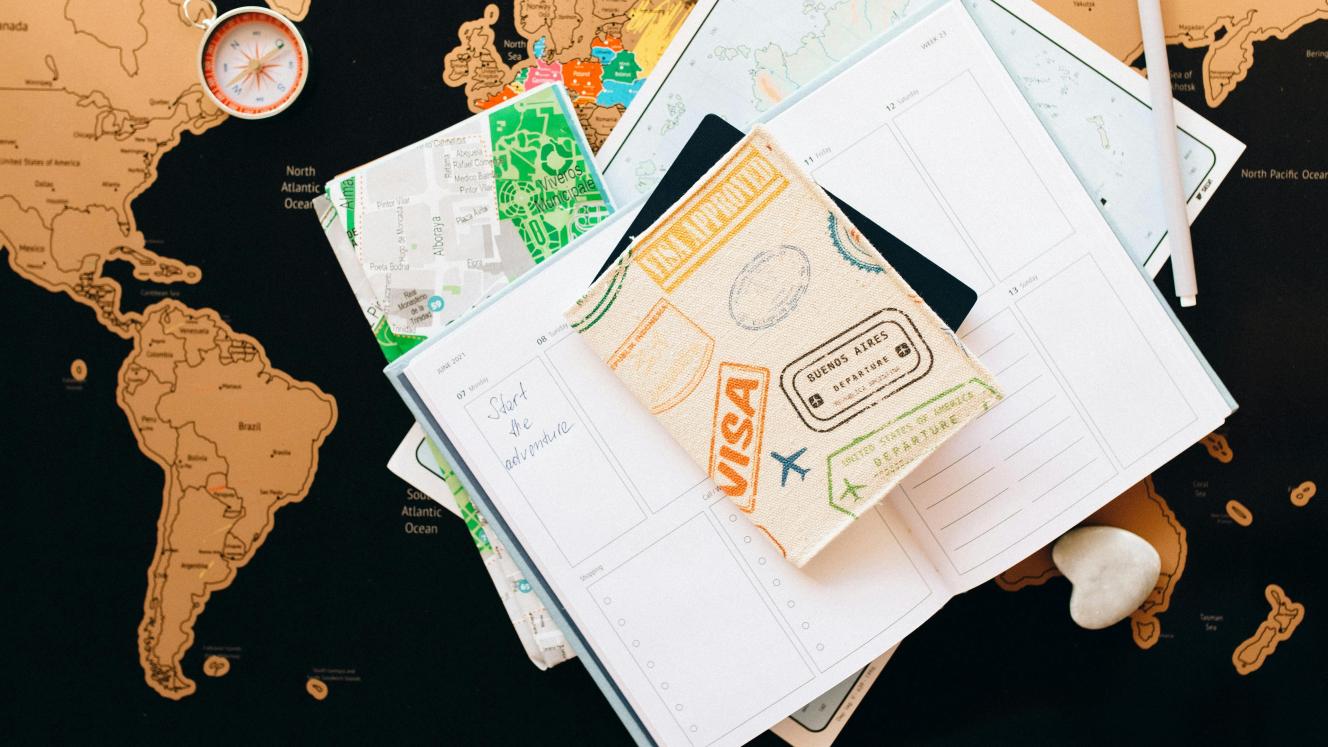
Zambia doubles visa fees | Southern & East African Tourism Update
Article Summary:
Zambia has revised its visa fees, effective January 1, 2025, increasing the cost for single-entry and double-entry visas for visitors from visa-requiring countries. The single-entry visa fee has risen from US$25 to US$50, while the double-entry fee has increased from US$40 to US$80. The multiple-entry visa fee has also increased to US$80 from US$75. The KAZA Univisa and day-tripper visa fees remain unchanged at US$50 and US$10, respectively. Zambia has one of Africa’s most liberal visa policies, with 167 visa-exempt countries as of 2025, and only 31 nations requiring visas for travel to the country.
Key Points:
Actionable Takeaways:
Contextual Insights:
The revision in visa fees reflects Zambia’s ongoing efforts to balance the need for revenue generation with the goal of maintaining a welcoming and accessible travel environment. This aligns with broader industry trends towards flexible and transparent pricing models, which aim to attract a diverse range of travelers while ensuring sustainable tourism development. The fact that the majority of visa-exempt countries remain unaffected underscores Zambia’s strategic positioning as an attractive destination for a broad spectrum of international travelers. As the travel industry continues to evolve, such policy adjustments will play a crucial role in shaping the future of travel to Zambia, potentially influencing market dynamics and consumer behavior.
Read the Complete Article.
Boutique Travel VC raises investment cap from $1.5M to $10M to lead rounds and support portfolio companies through growth Travel...
Read moreDetails



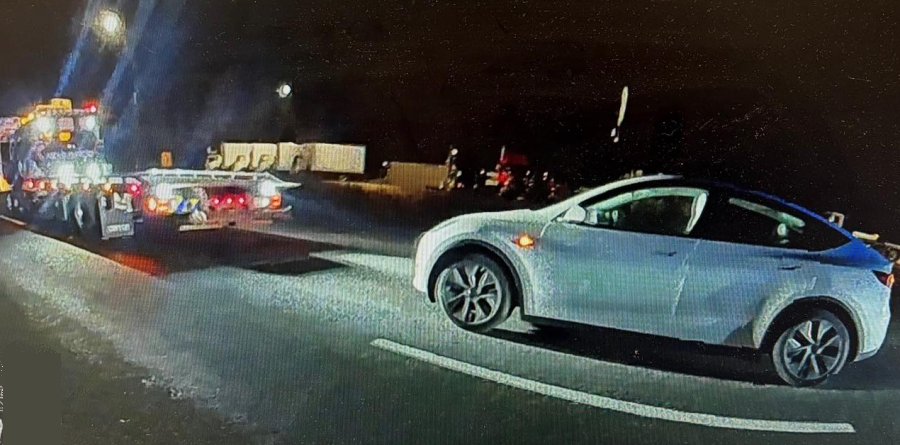
Comprehensive Summarization: On April 7th, around 10 PM, troopers from the Newbury Barracks received 911 calls about a disabled vehicle...
Read moreDetails
