



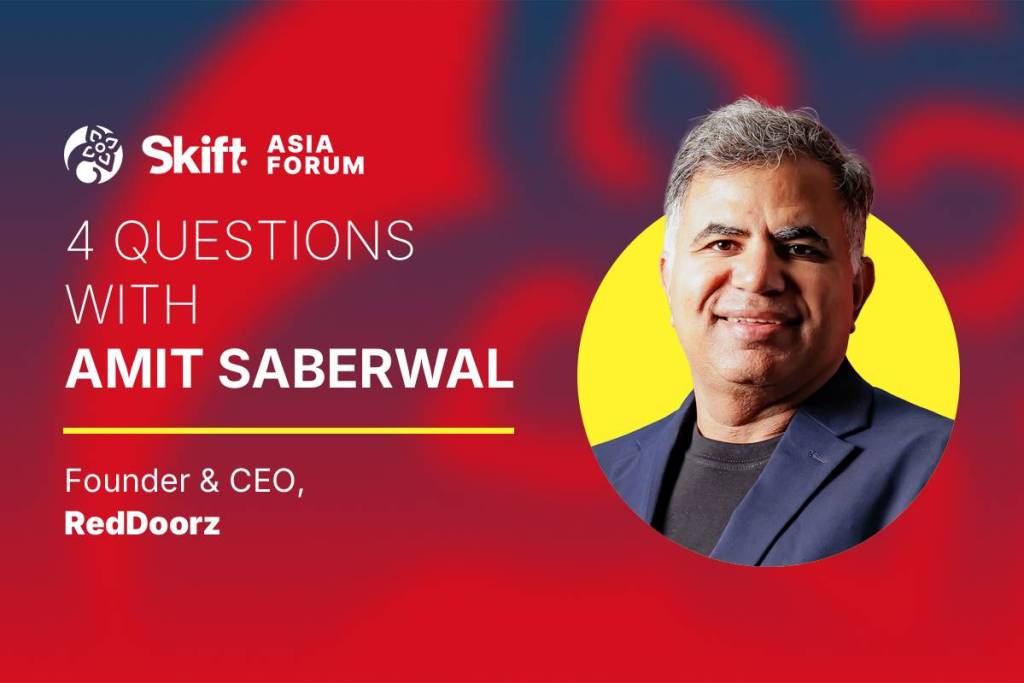











Travel Capitalist Ventures Expands Check Size to $10 Million to Deepen Emerging Market Conviction
Boutique Travel VC raises investment cap from $1.5M to $10M to lead rounds and support portfolio companies through growth Travel...
Read moreDetails
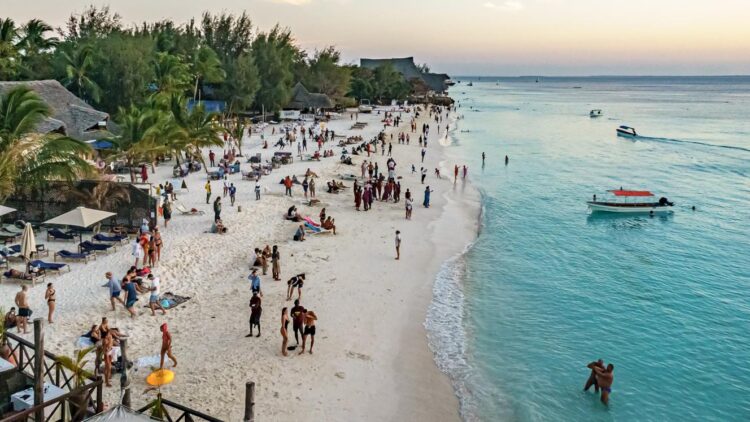
Zanzibar cracks down on proxy tourism schemes
Comprehensive Summarization:
The article discusses the growing concerns over irresponsible tourism development in Zanzibar and the subsequent crackdown on foreign investors who are using local citizens to register new tourism projects and businesses. Under Zanzibar’s tourism regulations, only Zanzibaris are allowed to operate tour companies and tour guiding services. The Investment Act of 2023 sets a minimum investment capital threshold of US$2.5 million for foreign hotel and real estate investors to qualify for registration and approval, while local investors have much lower thresholds of US$100,000. The Zanzibar Commission for Tourism (ZCT) has welcomed this move, indicating a commitment to protecting local interests and ensuring sustainable tourism practices.
Key Points:
Actionable Takeaways:
Regulatory Compliance: Tourism businesses, especially foreign investors, should ensure they meet the minimum capital requirements set by Zanzibar’s Investment Act of 2023 to avoid regulatory issues. Compliance with these regulations is crucial for obtaining the necessary approvals and operating legally in the region.
Local Investment Incentives: The lower capital threshold for local investors suggests a potential opportunity for local businesses to enter the tourism sector. This could lead to increased local employment and economic benefits, fostering a more sustainable and community-focused tourism industry.
Sustainable Tourism Practices: The emphasis on preventing irresponsible development indicates a shift towards more sustainable tourism practices. Travel companies and investors should prioritize eco-friendly initiatives and community engagement to align with global trends and meet regulatory expectations.
Contextual Insights:
The crackdown on foreign investors in Zanzibar reflects a broader trend in the travel industry towards more stringent regulations aimed at protecting local economies and ensuring sustainable tourism practices. This move aligns with the increasing focus on responsible tourism, where the impact on local communities and the environment is prioritized. As the industry evolves, thought leaders are advocating for policies that balance economic growth with environmental conservation and social equity. The article’s context underscores the importance of adapting to these regulatory changes to remain competitive and compliant in the global tourism market. Additionally, the emphasis on minimum investment thresholds highlights a growing trend where governments are leveraging financial incentives to encourage local participation in the tourism sector, thereby fostering a more equitable distribution of economic benefits.
Read the Complete Article.
Boutique Travel VC raises investment cap from $1.5M to $10M to lead rounds and support portfolio companies through growth Travel...
Read moreDetails



Bangkok, Thailand — August 14, 2023 In short: Thailand's government launches a tourism policy focused on higher-value travel and cultural...
Read moreDetails
