
















Travel Capitalist Ventures Expands Check Size to $10 Million to Deepen Emerging Market Conviction
Boutique Travel VC raises investment cap from $1.5M to $10M to lead rounds and support portfolio companies through growth Travel...
Read moreDetails
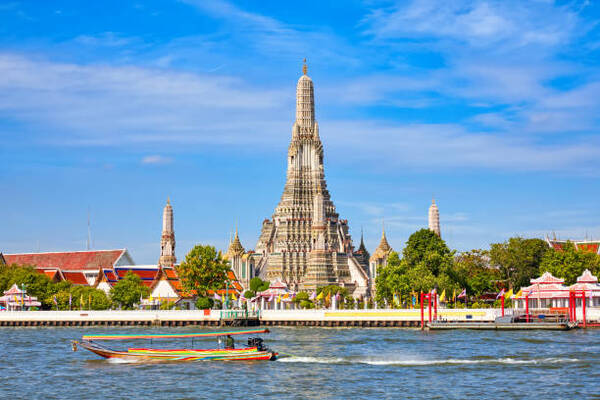
Bangkok Surpasses Thirty Million International Visitors In 2025, Leaving Hong Kong, London, And Pari...
Article Summary:
Bangkok has surpassed Hong Kong, London, and Paris to become the most visited city in the world for 2025, according to the Top 100 City Destinations Index by Euromonitor International. The Thai capital attracted over 30.3 million international visitors, marking a new era of travel dominance. This achievement is attributed to Bangkok’s unique blend of culture, history, modernity, and affordability, offering visitors a vibrant tourism scene.
Key Points:
Actionable Takeaways:
Contextual Insights:
The achievement of Bangkok surpassing other major cities like Hong Kong, London, and Paris in terms of international visitors underscores a significant shift in global travel trends. This shift is likely influenced by various factors, including the city’s strategic location, cultural richness, and economic factors such as affordability. As the travel industry continues to evolve, destinations must adapt to changing consumer preferences, such as a growing interest in cultural and culinary experiences. Furthermore, the role of technology in enhancing the travel experience cannot be overstated. Startups and established companies in the travel sector should focus on integrating innovative solutions to improve accessibility, engagement, and overall customer satisfaction. This forward-looking perspective emphasizes the importance of staying abreast of emerging trends and leveraging them to maintain a competitive edge in the dynamic travel industry.
Read the Complete Article.
Boutique Travel VC raises investment cap from $1.5M to $10M to lead rounds and support portfolio companies through growth Travel...
Read moreDetails



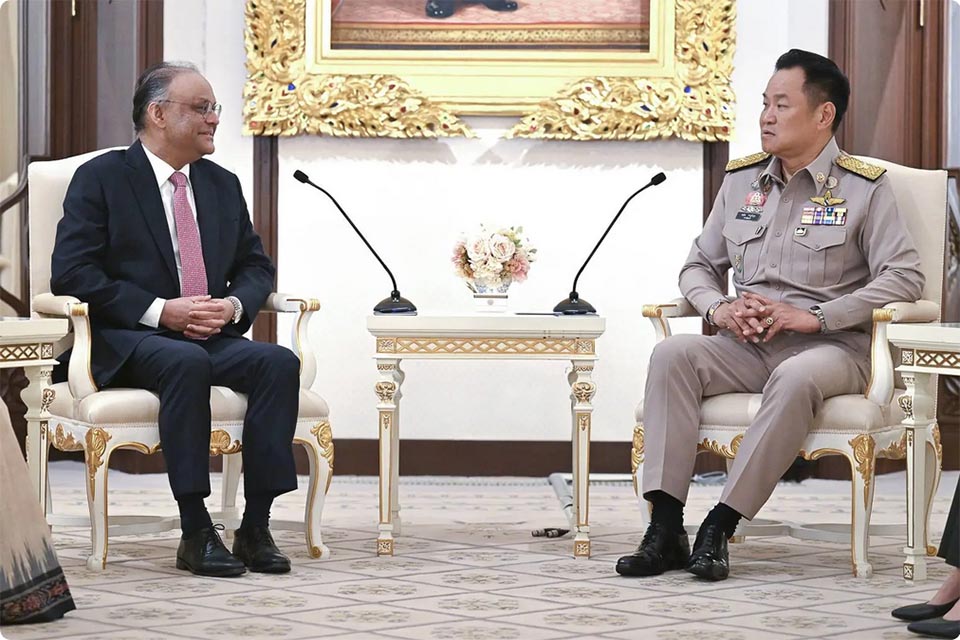
Comprehensive Summarization: The article reports on a meeting between Thailand's Prime Minister Anutin Charnvirakul and the outgoing Indian Ambassador to...
Read moreDetails
