























Travel Capitalist Ventures Expands Check Size to $10 Million to Deepen Emerging Market Conviction
Boutique Travel VC raises investment cap from $1.5M to $10M to lead rounds and support portfolio companies through growth Travel...
Read moreDetails

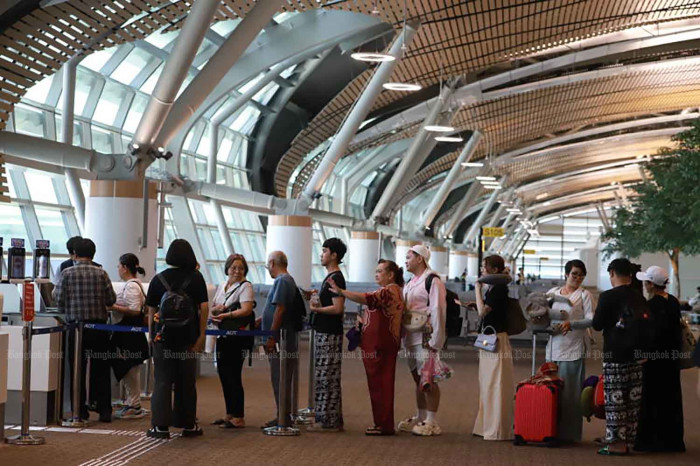
Tourists queue up to board a flight at Suvarnabhumi airport in March. (Photo: Somchai Poomlard)
Article Summary:
The article discusses the potential impact of tensions between China and Japan on Thai tourism for the high season. Despite these tensions, the article suggests that Chinese arrivals may not see a significant surge due to limited flight capacity and high competition in the region. Additionally, the Thai government has faced criticism for its handling of the situation. The article also touches on the broader travel industry context, including recent trends and insights from thought leaders.
Key Points:
Actionable Takeaways:
Contextual Insights:
The article’s context is deeply rooted in the current geopolitical tensions between China and Japan, which have a direct impact on travel patterns and tourism flows. The limited flight capacity and high competition in the region are indicative of broader challenges faced by the travel industry in maintaining and growing tourist numbers. This situation underscores the importance of strategic planning and adaptability in the travel sector, particularly in managing external shocks. Furthermore, the criticism of the Thai government’s handling of the situation highlights the critical role of effective governance and communication in the tourism industry. Looking forward, the article suggests that leveraging digital marketing and innovative travel solutions will be crucial for travel startups and established players alike to navigate these challenges and capitalize on emerging opportunities in the post-pandemic travel landscape.
Read the Complete Article.
Boutique Travel VC raises investment cap from $1.5M to $10M to lead rounds and support portfolio companies through growth Travel...
Read moreDetails




