






No products in the cart.
- Latest
- Trending

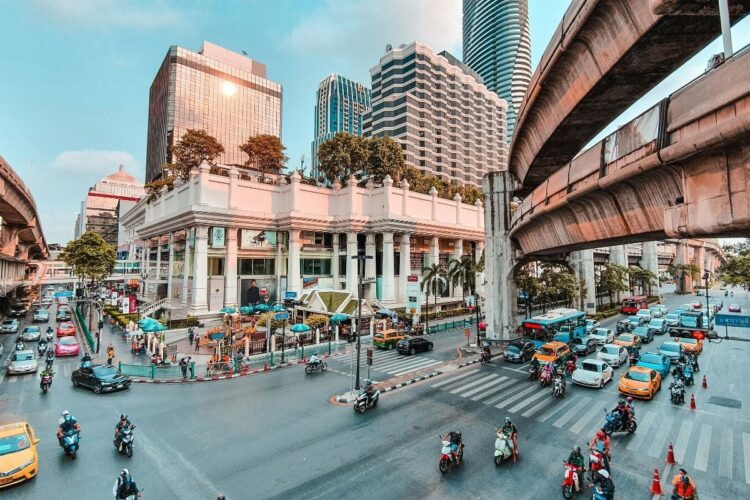
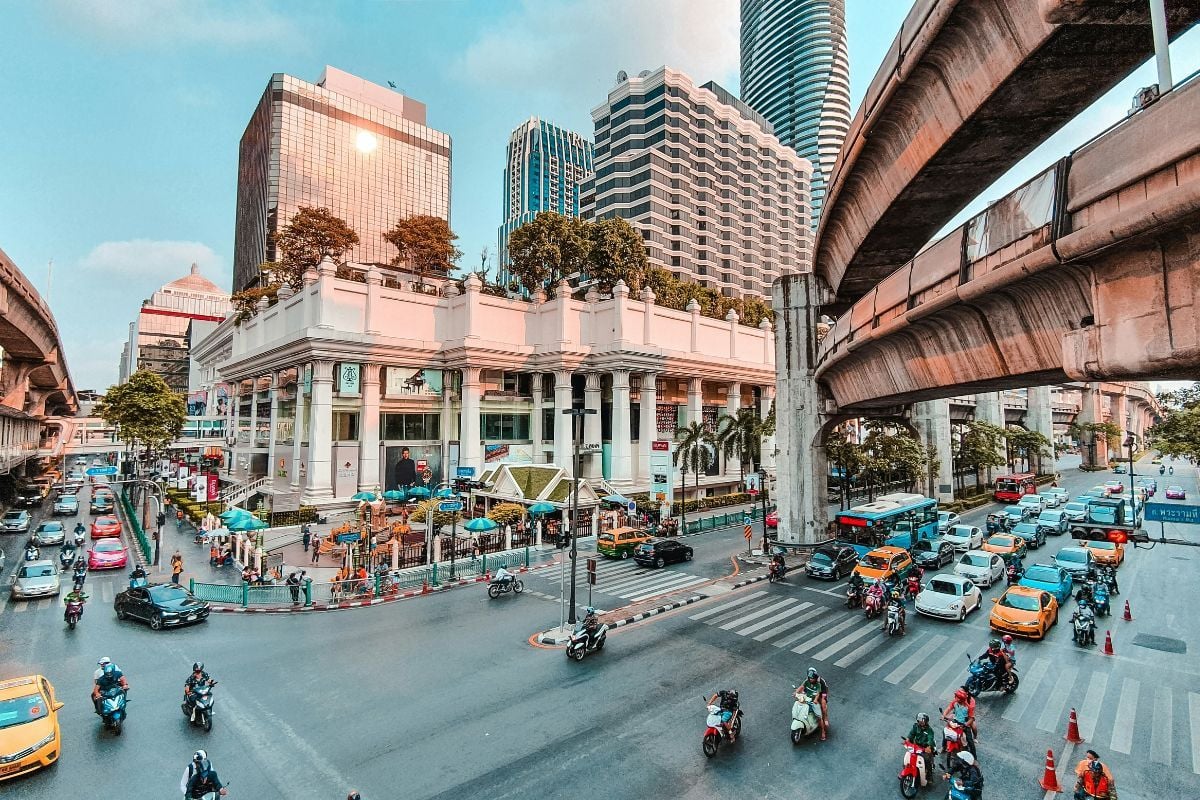
Photo by Miltiadis Fragkidis on Unsplash
Comprehensive Summarization:
Bangkok has been named the third best city to visit in the world by The New York Times’ 52 Places to Go in 2026 list, according to an article published on The Thaiger. The city is praised for its green spaces, vibrant art scene, and recent innovations in public transport. The Bangkok Metropolitan Administration (BMA) spokesperson, Aekvarunyoo Amrapala, highlighted the city’s urban development and quality-of-life upgrades, which have been recognized globally. The New York Times described Bangkok as “a frenetic city taking steps toward a greener future.” The article identifies three major achievements contributing to the ranking: the transformation of Bangkok’s image as a concrete jungle into a more liveable, green city; the city’s urban development and quality-of-life upgrades; and the city’s efforts to combat air pollution through work-from-home plans.
Key Points:
Actionable Takeaways:
Invest in Green Infrastructure: The transformation of Bangkok into a greener city presents an opportunity for travel startups and fintech companies to invest in green infrastructure projects. This could include eco-friendly transportation solutions, sustainable tourism packages, and green hospitality services. The growing emphasis on sustainability in travel could open new markets and revenue streams for businesses that prioritize environmental responsibility.
Embrace Work-from-Home Policies: The BMA’s initiative to expand work-from-home plans to combat air pollution highlights the importance of flexible work arrangements in urban planning. Travel and hospitality companies can leverage this trend by developing remote-friendly services, such as virtual tours, online booking platforms, and digital experiences. This can help attract a broader audience, including remote workers and digital nomads, thereby expanding the market for travel services.
Contextual Insights:
The ranking of Bangkok as the third best city to visit in the world reflects a broader trend in the travel industry towards sustainability and urban livability. Cities are increasingly being evaluated not just on their tourist attractions but also on their environmental policies, quality of life, and innovative public transport systems. This shift aligns with the growing consumer preference for sustainable and responsible travel experiences. For travel startups and fintech companies, this presents a significant opportunity to innovate in areas such as eco-friendly travel solutions, carbon offsetting technologies, and sustainable tourism financing. By integrating these elements into their offerings, businesses can tap into the growing demand for responsible travel and position themselves as leaders in the evolving travel landscape.
Handling Different Article Types:
The article in question is a news blurb, providing factual information about Bangkok’s ranking in The New York Times’ 52 Places to Go in 2026 list. The summary, key points, and actionable takeaways are structured to reflect the factual nature of the article, ensuring clarity and relevance for a professional audience. The contextual insights, while not directly sourced from the article, draw on current industry trends and expert opinions to provide a forward-looking perspective on the implications of Bangkok’s ranking and the broader travel industry trends.
Read the Complete Article.
Get curated travel AI insights — choose the newsletters that matter to you.
ALTOUR Expands into Thailand, Strengthening Corporate Travel Network Across Southeast Asia BANGKOK, THAILAND (25 March, 2026) – ALTOUR, a leading...
Read moreDetails


Comprehensive Summarization: Subject, an AI-powered education platform, has announced a significant growth investment led by Vistara Growth, with participation from...
Read moreDetails