




















Travel Capitalist Ventures Expands Check Size to $10 Million to Deepen Emerging Market Conviction
Boutique Travel VC raises investment cap from $1.5M to $10M to lead rounds and support portfolio companies through growth Travel...
Read moreDetails
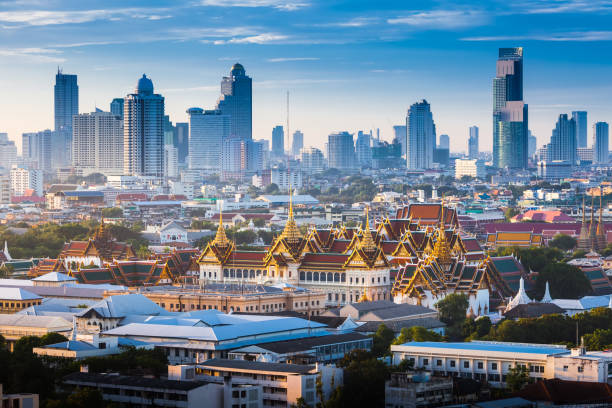
Bangkok vs Kuala Lumpur Tourist’s Bold Claim of Superiority Sparks Heated Debate on Development and ...
Article Summary:
The article discusses a recent social media debate sparked by a Thai tourist who claimed that Bangkok is “400 times more developed” than Kuala Lumpur. This assertion, accompanied by images of Bangkok’s skyline, went viral on the Threads platform, garnering thousands of likes and comments. The comment quickly attracted a mix of praise, criticism, and sarcasm, highlighting the passionate and often heated discussions surrounding the development and tourism appeal of these two cities. The article underscores the ongoing debate about urban development and tourism in these Southeast Asian metropolises, reflecting broader trends in travel and tourism discourse.
Key Points:
Actionable Takeaways:
Monitor Social Media Trends: Travel brands and tourism boards should monitor social media trends and public sentiment regarding city comparisons. This can provide insights into consumer preferences and areas for marketing focus.
Highlight Unique Developments: Cities should leverage their unique strengths and developments in marketing campaigns. For instance, Bangkok’s advanced infrastructure and Kuala Lumpur’s cultural attractions can be highlighted to attract different segments of tourists.
Engage in Constructive Dialogue: Stakeholders, including tourism boards, city planners, and social media influencers, should engage in constructive dialogue to address misconceptions and foster a more positive narrative around urban development and tourism.
Contextual Insights:
The debate surrounding Bangkok and Kuala Lumpur reflects broader trends in the travel industry, where cities are increasingly competing for global attention. Recent years have seen a surge in social media-driven tourism, where viral content can significantly influence travel decisions. This phenomenon underscores the importance of digital marketing strategies for travel destinations. Furthermore, the passionate reactions indicate a strong emotional connection between travelers and their perceptions of cities, suggesting that authenticity and unique experiences are key drivers in tourism appeal. As the travel industry continues to evolve, leveraging technology and social media to enhance city narratives will be crucial for attracting and retaining tourists.
Read the Complete Article.
Boutique Travel VC raises investment cap from $1.5M to $10M to lead rounds and support portfolio companies through growth Travel...
Read moreDetails




