























Travel Capitalist Ventures Expands Check Size to $10 Million to Deepen Emerging Market Conviction
Boutique Travel VC raises investment cap from $1.5M to $10M to lead rounds and support portfolio companies through growth Travel...
Read moreDetails
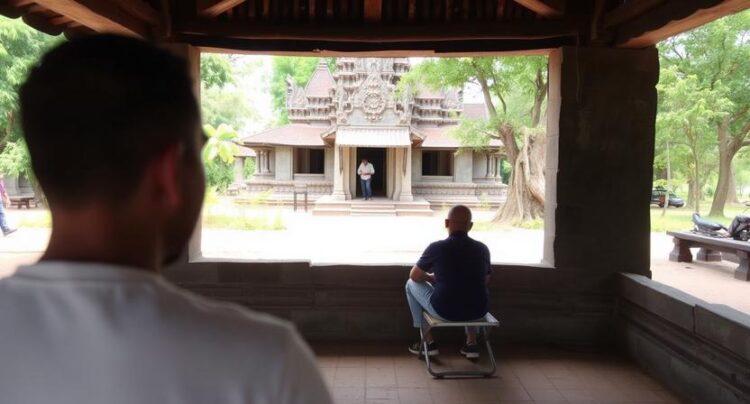
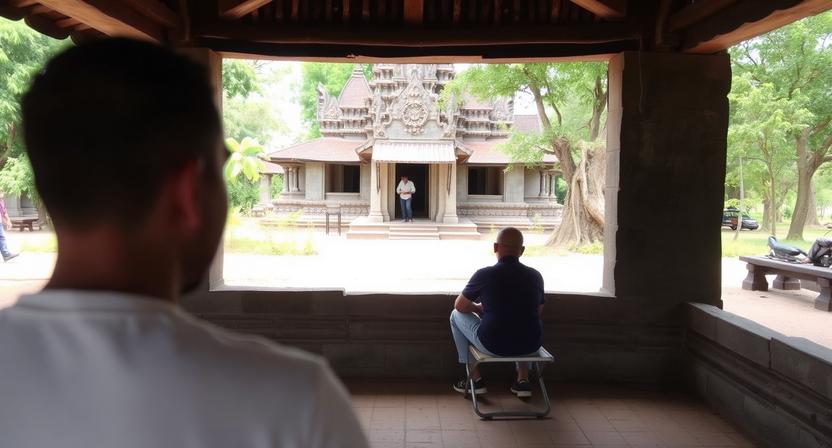
Cambodia Tourism Faces Decline Due to the Border Clashes with Thailand, Impacting Siem Reap Business...
Article Summary:
The article discusses the decline in tourism in Cambodia, specifically in Siem Reap, due to recent border clashes with Thailand. This conflict has negatively impacted tourist activities, including those visiting the famous Angkor Wat, during a peak tourist season in December. The reluctance of tourists, particularly from border countries, has led to a decrease in tourist numbers. Local businesses in Siem Reap are also affected, highlighting the broader economic implications of the conflict on the region’s heritage sites and tourism industry.
Key Points:
Actionable Takeaways:
Implement Diversified Tourism Strategies: To mitigate the impact of geopolitical conflicts on tourism, local authorities and businesses in Siem Reap should explore diversifying their tourism offerings. This could include promoting off-peak seasons, highlighting other attractions within Cambodia, or developing niche tourism experiences that are less susceptible to regional conflicts.
Enhance Digital Marketing and Online Presence: Given the decline in physical tourist numbers, there is an opportunity to leverage digital marketing strategies to attract tourists from around the world. This includes optimizing online content, utilizing social media platforms, and partnering with travel influencers to promote Siem Reap and its unique cultural and historical attractions.
Invest in Safety and Security Measures: To reassure potential tourists about the safety of visiting Siem Reap, local businesses should invest in robust safety and security measures. This could involve collaborating with local law enforcement, implementing enhanced security protocols, and providing clear communication about safety measures to tourists.
Contextual Insights:
The decline in tourism in Siem Reap due to border clashes with Thailand highlights the vulnerability of the travel industry to geopolitical tensions. This situation underscores the importance of resilience and adaptability in the face of external challenges. The article aligns with current industry trends that emphasize the need for businesses to be agile and innovative in response to changing market conditions. As geopolitical conflicts can disrupt travel patterns, there is a growing emphasis on developing strategies that ensure continuity and growth in tourism, even in volatile environments. Thought leaders in the travel industry are increasingly advocating for diversified tourism strategies, digital marketing innovations, and enhanced safety measures as key components of a robust recovery plan. By integrating these insights, businesses in Siem Reap can navigate the current challenges and position themselves for sustained success in the travel sector.
Read the Complete Article.
Boutique Travel VC raises investment cap from $1.5M to $10M to lead rounds and support portfolio companies through growth Travel...
Read moreDetails




