



















Travel Capitalist Ventures Expands Check Size to $10 Million to Deepen Emerging Market Conviction
Boutique Travel VC raises investment cap from $1.5M to $10M to lead rounds and support portfolio companies through growth Travel...
Read moreDetails
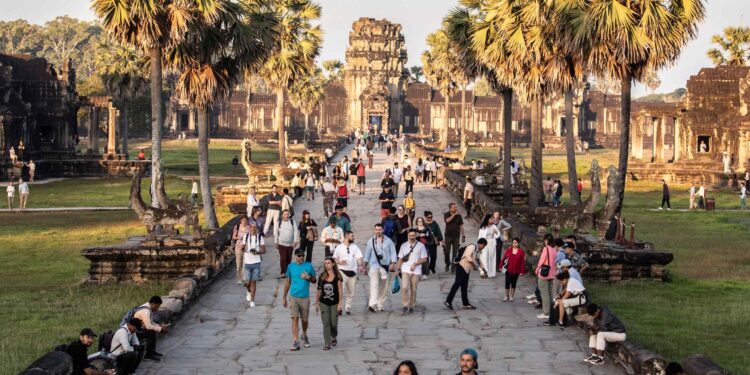
Cambodian tourism suffers as conflict with Thailand nears Angkor Wat
Article Summary:
The article reports on a significant decrease in visitor numbers to Cambodia’s Angkor Wat temple complex, down more than 20%, following the escalation of military clashes between Thailand and Cambodia in May. This has led to foreign tourists, such as German tourist Tamara, adjusting their travel plans, opting for shorter visits to Siem Reap and Angkor Wat. The article highlights the impact of geopolitical tensions on tourism, particularly in a region known for its UNESCO World Heritage sites.
Key Points:
Actionable Takeaways:
Contextual Insights:
The article underscores the vulnerability of the travel industry to geopolitical events, particularly in regions with ongoing tensions. The decline in tourist numbers to Angkor Wat highlights the direct correlation between political stability and tourism. This situation is reflective of broader trends where geopolitical risks can significantly impact travel demand. In response, the travel industry must focus on risk management strategies, leveraging technology for real-time risk assessment, and fostering partnerships with local governments to ensure safe travel experiences. Additionally, there is a growing trend towards sustainable and responsible tourism, which could be leveraged to promote destinations with strong cultural and historical significance, even amidst geopolitical uncertainties.
Read the Complete Article.
Boutique Travel VC raises investment cap from $1.5M to $10M to lead rounds and support portfolio companies through growth Travel...
Read moreDetails




