









No products in the cart.
- Latest
- Trending

Comprehensive Summarization:
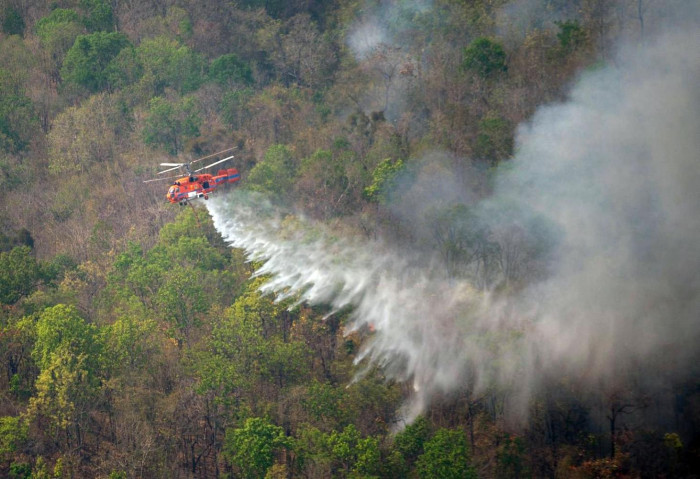
The article discusses the anticipated challenges for Northern Thailand’s tourism sector during the Songkran holiday, which is expected to be poor due to rampant air pollution in Chiang Mai, ranked as the world’s most polluted city. This pollution is attributed to smog, which is further exacerbated by the ongoing war in the Middle East and its resulting oil shock, leading to weak spending. The context also highlights the broader travel industry trends, referencing recent developments and insights from thought leaders in the field.
Key Points:
Actionable Takeaways:
Contextual Insights:
The article reflects the current challenges faced by the travel industry due to environmental factors, specifically air pollution, which is exacerbated by geopolitical tensions and economic pressures. This situation underscores the importance of adaptability and innovation within the sector. As highlighted by recent travel trends, there is a growing emphasis on sustainability and safety, with consumers increasingly prioritizing destinations that offer clean environments and reliable experiences. Thought leaders emphasize the need for the travel industry to leverage technology for real-time data and proactive communication with travelers, ensuring that they are well-informed and can make choices that align with their preferences and safety concerns. This context suggests that proactive measures and strategic adaptations are crucial for mitigating the negative impacts of environmental challenges on tourism.
Read the Complete Article.
Get curated travel AI insights — choose the newsletters that matter to you.
ALTOUR Expands into Thailand, Strengthening Corporate Travel Network Across Southeast Asia BANGKOK, THAILAND (25 March, 2026) – ALTOUR, a leading...
Read moreDetails


Comprehensive Summarization: The article discusses the anticipated challenges for Northern Thailand's tourism sector during the Songkran holiday, which is expected...
Read moreDetails