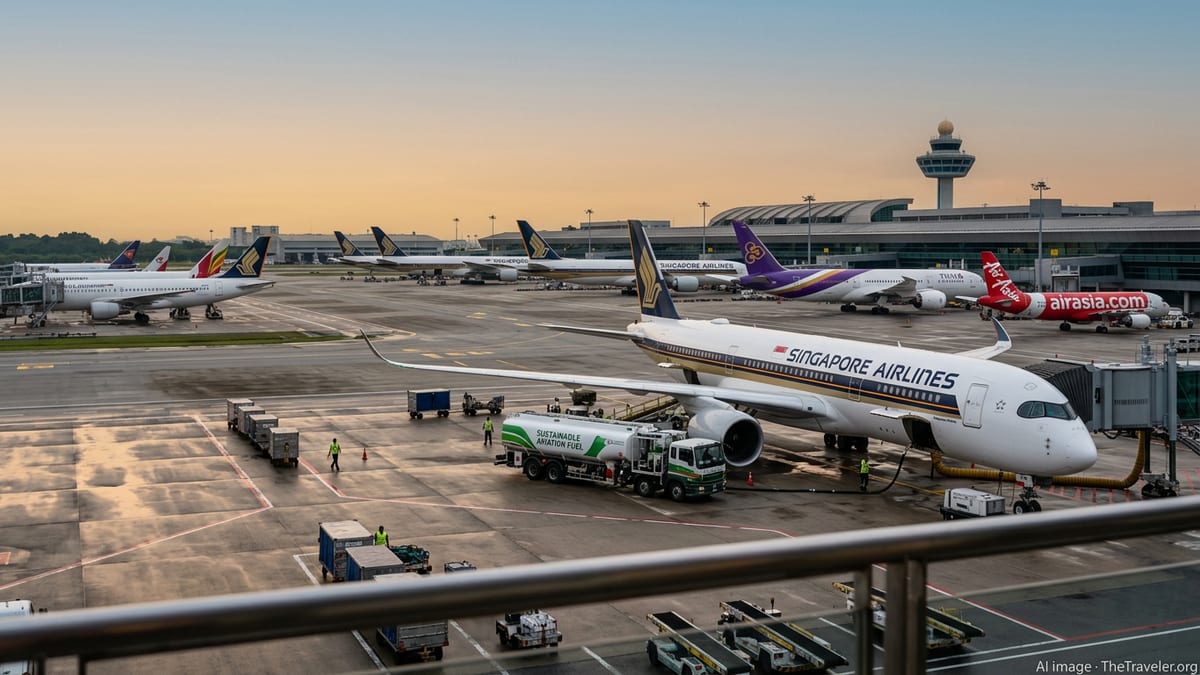
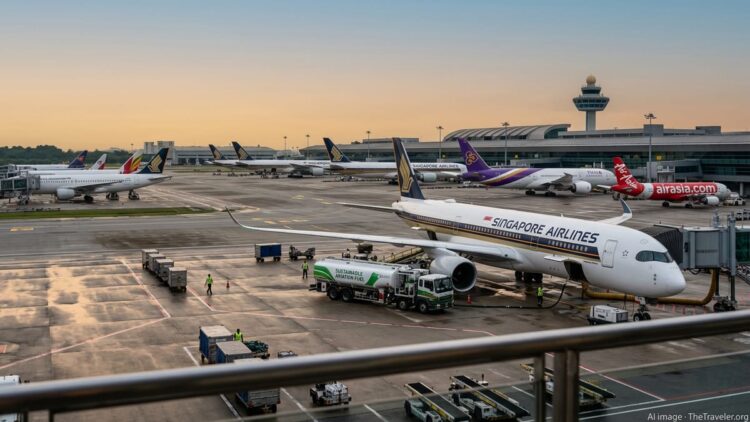
The article highlights the growing trend among major Asian airlines, including Singapore Airlines, Thai Airways, and AirAsia, to accelerate investments in Sustainable Aviation Fuel (SAF) due to new government mandates aimed at reducing emissions. This shift is seen as a potential solution to mitigate rising emissions without compromising the tourism economy, which is valued at hundreds of billions of dollars annually. Singapore Airlines, in particular, has set a target to cover 5% of its total fuel needs with SAF, marking it as one of the region’s most active adopters of this sustainable fuel. The article underscores the importance of SAF in aligning the aviation industry with environmental goals while maintaining economic viability.
Key Points:
Major Asian airlines, including Singapore Airlines, Thai Airways, and AirAsia, are increasing investments in Sustainable Aviation Fuel (SAF) to comply with new government mandates and reduce emissions.
Singapore Airlines has set a target to incorporate 5% of its total fuel needs with SAF, positioning itself as a leader in adopting sustainable aviation practices in the region.
The adoption of SAF is viewed as a critical step towards balancing environmental sustainability with the economic imperative of maintaining a robust tourism industry, which is a significant contributor to the global economy.
Actionable Takeaways:
Investment in SAF as a Strategic Move: Airlines should prioritize investments in Sustainable Aviation Fuel to meet regulatory mandates and enhance their corporate social responsibility profiles. This move not only aligns with global environmental goals but also positions airlines as leaders in sustainable travel, potentially attracting eco-conscious consumers and partners.
Diversification of Fuel Sources: Airlines should explore and invest in a diversified portfolio of alternative fuels, including SAF, biofuels, and hydrogen, to ensure a resilient and sustainable fuel supply chain. This diversification can mitigate risks associated with fuel price volatility and supply chain disruptions, ensuring operational continuity and cost efficiency.
Collaboration with Governments and Industry Stakeholders: Airlines should engage in collaborative efforts with governments and industry stakeholders to advocate for supportive policies and incentives for SAF adoption. By working together, airlines can influence regulatory frameworks to create a more favorable environment for sustainable aviation, thereby accelerating the transition to cleaner fuels.
Contextual Insights:
The article reflects the current trajectory of the aviation industry towards sustainability, driven by regulatory pressures and the urgent need to address climate change. The adoption of SAF by major airlines underscores a broader industry shift towards greener technologies, driven by both environmental imperatives and the desire to maintain profitability in a competitive market. This trend is likely to influence future travel tech innovations, such as the development of more efficient SAF production processes and the integration of digital platforms for fuel procurement and tracking. Furthermore, the emphasis on SAF aligns with the growing interest in sustainable travel among consumers, suggesting that airlines that lead in this area could gain a competitive edge by appealing to environmentally conscious travelers. As the industry continues to evolve, the focus on sustainable aviation is expected to intensify, with thought leaders predicting that SAF will become a cornerstone of the aviation sector’s transition to a low-carbon future.
Comprehensive Summarization: The article highlights that Vietnam’s Mui Ne has been named among Booking.com’s top 10 global trending destinations for...