























Travel Capitalist Ventures Expands Check Size to $10 Million to Deepen Emerging Market Conviction
Boutique Travel VC raises investment cap from $1.5M to $10M to lead rounds and support portfolio companies through growth Travel...
Read moreDetails
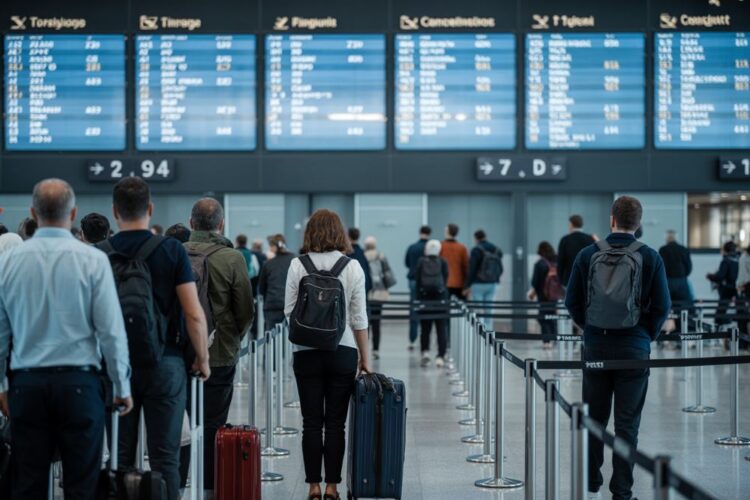
Middle East Crisis Traps Danish Tourists in Thailand and Maldives—TUI Steps In with Urgent Repatriat...
Comprehensive Summarization:
The article reports on a significant event where TUI, a travel company, has taken urgent action to repatriate Danish tourists stranded in Thailand and the Maldives due to the ongoing crisis in the Middle East. This crisis has led to the closure of major airspace corridors, disrupting travel globally and leaving thousands of travelers without a means to return home. The article highlights the importance of airlines, government agencies, and tourism authorities in facilitating the safe return of these stranded passengers, emphasizing the broader implications for the travel industry in the face of geopolitical tensions.
Key Points:
Actionable Takeaways:
Enhanced Travel Insurance Coverage: Travel companies should consider offering enhanced travel insurance packages that include provisions for repatriation in the event of geopolitical crises. This can provide peace of mind to travelers and protect companies from potential financial losses due to stranded passengers.
Strengthened Partnerships with Local Authorities: Travel companies should strengthen partnerships with local authorities and airlines to ensure smoother repatriation processes during crises. This includes having pre-arranged repatriation flights and clear communication channels to manage stranded passengers effectively.
Investment in Travel Tech Solutions: The article highlights the importance of technology in managing travel disruptions. Companies should invest in travel tech solutions that facilitate real-time communication, tracking, and management of stranded travelers, ensuring efficient and safe repatriation.
Contextual Insights:
The Middle East crisis has highlighted the vulnerabilities in global travel networks and the need for robust contingency plans. This event is a stark reminder of how geopolitical tensions can have far-reaching impacts on the travel industry. As such, the travel sector must continually adapt to emerging risks and invest in technologies and partnerships that enhance resilience. The focus on repatriation flights and the role of airlines in facilitating safe returns underscores the critical role of airlines in crisis management. Furthermore, the article aligns with current industry trends emphasizing the importance of technology in travel, particularly in managing disruptions and ensuring passenger safety. The emphasis on partnerships with local authorities and travel tech solutions reflects a forward-looking approach to navigating the complexities of modern travel.
Read the Complete Article.
Boutique Travel VC raises investment cap from $1.5M to $10M to lead rounds and support portfolio companies through growth Travel...
Read moreDetails




