










No products in the cart.
- Latest
- Trending

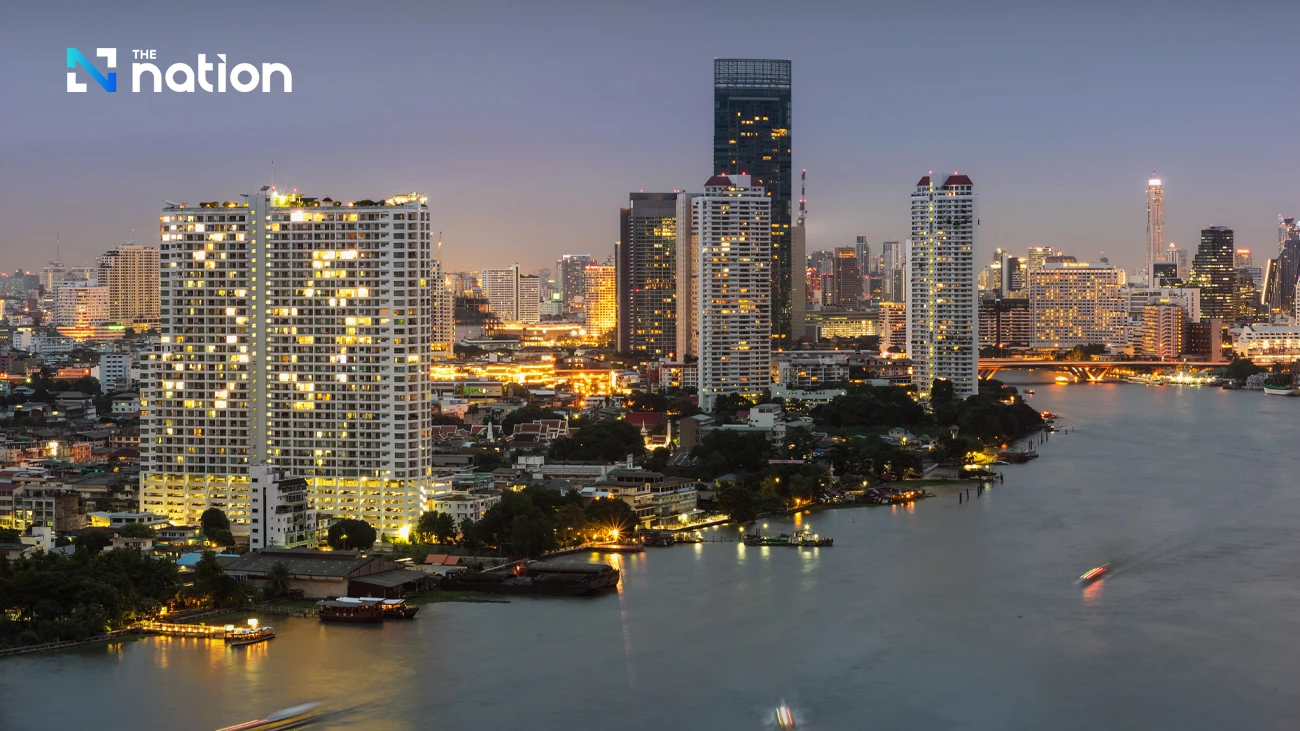
Foreign investors flock to buy Thai hotels, with 2026 set to surpass THB12 billion
Comprehensive Summarization:
The article discusses the surge in foreign investment in Thai hotels, particularly in popular tourist destinations such as Bangkok, Phuket, Koh Samui, Pattaya, Krabi, and Chiang Mai. These locations are experiencing strong tourism demand, making them ideal for hotel renovations and new service openings. The article highlights that post-COVID-19, many hotels were forced to sell due to financial pressures, creating opportunities for investors to acquire assets at competitive prices. Investors are primarily drawn to hotels offering a minimum annual return on investment (ROI) of 6%, with buildings no older than 10-15 years to reduce maintenance costs. This trend reflects a broader shift in the travel industry towards renovation and expansion of existing hotels to meet growing demand.
Key Points:
Actionable Takeaways:
Investment Opportunities in Popular Destinations: Given the strong tourism demand in Bangkok, Phuket, Koh Samui, Pattaya, Krabi, and Chiang Mai, investors should consider acquiring hotels in these locations to capitalize on the current market opportunities. The availability of hotels at competitive prices post-COVID-19 presents a strategic advantage for investors looking to enter the Thai hotel market.
ROI and Building Age as Investment Criteria: Investors should prioritize hotels with an annual ROI of at least 6% and those that are 10-15 years old. These criteria help minimize maintenance costs and ensure a more profitable investment. This focus on ROI and building age can lead to more sustainable and financially viable hotel projects in the Thai market.
Contextual Insights:
The surge in foreign investment in Thai hotels post-COVID-19 reflects a broader trend in the global travel industry towards recovery and expansion. The emphasis on ROI and building age as key investment criteria highlights a strategic shift towards financially viable and sustainable hotel projects. This trend is likely to influence travel startups and fintech innovations, as investors seek to leverage technology to optimize hotel operations and enhance guest experiences. The article also underscores the importance of location in investment decisions, suggesting that thought leaders and industry experts will continue to focus on emerging markets with strong tourism demand.
Handling Different Article Types:
The article is a news brief providing factual information about investment trends in the Thai hotel sector. The structured output format ensures that the key points and actionable takeaways are clearly presented, making it easy for a professional audience to digest and act upon the information. The contextual insights integrate the latest travel trends and expert opinions, offering a forward-looking perspective on the industry’s future direction.
Read the Complete Article.
Get curated travel AI insights — choose the newsletters that matter to you.
This spot is reserved for brands with a compelling story for the travel trade. They use this space to cut...
Read moreDetailsALTOUR Expands into Thailand, Strengthening Corporate Travel Network Across Southeast Asia BANGKOK, THAILAND (25 March, 2026) – ALTOUR, a leading...
Read moreDetails


Comprehensive Summarization: The article discusses the impact of the ongoing conflict in Iran on global air travel, highlighting disruptions for...
Read moreDetails