





No products in the cart.
- Latest
- Trending

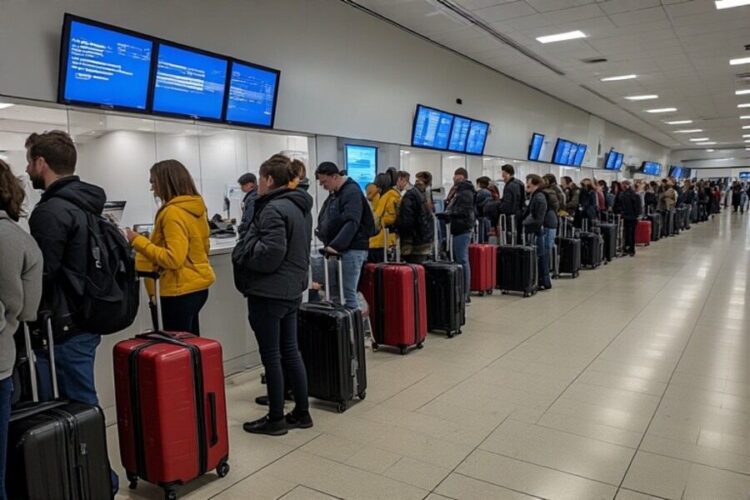
Germany Joins Brazil, Canada, France, Hungary, Ireland, Mexico, And More Countries In Navigating New...
Comprehensive Summarization:
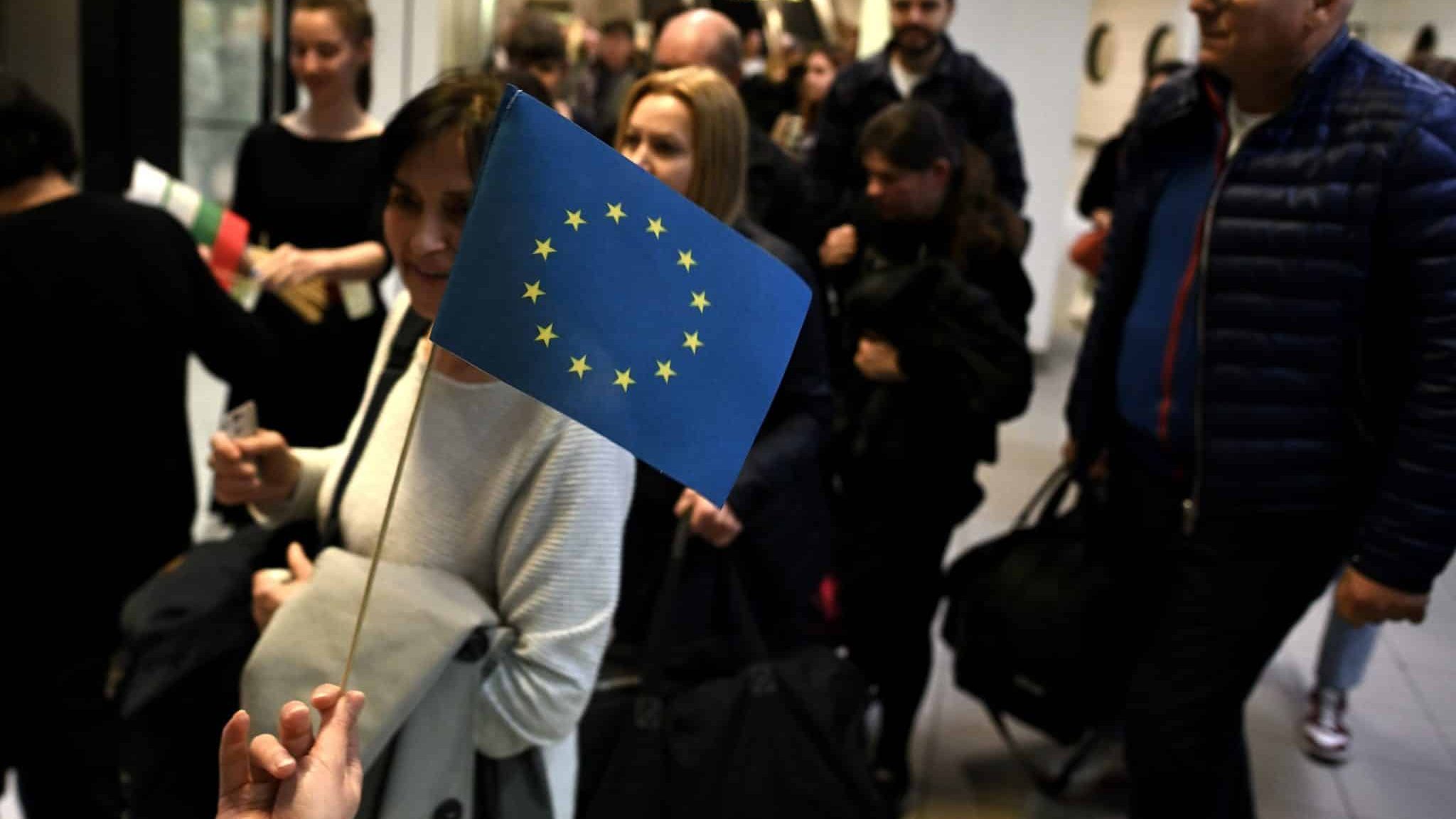
The article discusses Thailand’s decision to suspend its open-door policy, reducing the 60-day visa-free stay to 30 days. This change impacts millions of international visitors, including those from Germany, Brazil, Canada, France, Hungary, Ireland, and Mexico. The policy shift is a response to growing concerns over security and economic misuse associated with longer stays. While the move aims to tighten border control and prevent unauthorized activities, it also signals a broader trend in the travel industry towards stricter regulations and border management. The article highlights the immediate impact on travelers and the potential long-term implications for tourism in Thailand and the broader region.
Key Points:
Actionable Takeaways:
Impact on Travel Plans: Travelers from affected countries should review their upcoming trips to Thailand, considering the reduced visa-free stay. This may necessitate adjustments in travel itineraries, booking timelines, or alternative destinations.
Border Control and Security: The policy change underscores a growing trend in the travel industry towards stricter border controls and security measures. Travel companies and governments may need to invest in technology and processes to manage these changes effectively.
Economic Implications: The reduction in visa-free stay could affect tourism revenue in Thailand. Travel agencies, hotels, and local businesses may need to adapt their strategies to mitigate potential losses.
Contextual Insights:
The article reflects a broader trend in the travel industry towards stricter regulations and border management, driven by security concerns and economic considerations. This aligns with recent global trends where countries are tightening their entry policies to combat security threats and economic misuse. The move by Thailand is indicative of a shift towards more controlled and monitored travel, which may set a precedent for other countries facing similar challenges. From a startup perspective, this trend could spur innovation in travel tech solutions, such as digital visa applications, real-time border monitoring, and enhanced security protocols. Fintech innovations may also emerge to support travelers and businesses navigating these new regulations, offering solutions for secure transactions and financial management during travel.
Handling Different Article Types:
The article is a news blurb, providing factual information about a recent policy change in the travel industry. The summary, key points, and actionable takeaways are structured to convey the essential information clearly and concisely, suitable for a professional audience. The contextual insights integrate the latest travel trends and expert opinions to offer a forward-looking perspective on the implications of the policy change.
Read the Complete Article.
Get curated travel AI insights — choose the newsletters that matter to you.
This spot is reserved for brands with a compelling story for the travel trade. They use this space to cut...
Read moreDetailsALTOUR Expands into Thailand, Strengthening Corporate Travel Network Across Southeast Asia BANGKOK, THAILAND (25 March, 2026) – ALTOUR, a leading...
Read moreDetails


Akash Sinha, CEO and Co-founder of Cashfree Payments, and Parijat Tiwari, Executive Vice President and General Manager Distribution at RateGain,...
Read moreDetails