




















Travel Capitalist Ventures Expands Check Size to $10 Million to Deepen Emerging Market Conviction
Boutique Travel VC raises investment cap from $1.5M to $10M to lead rounds and support portfolio companies through growth Travel...
Read moreDetails
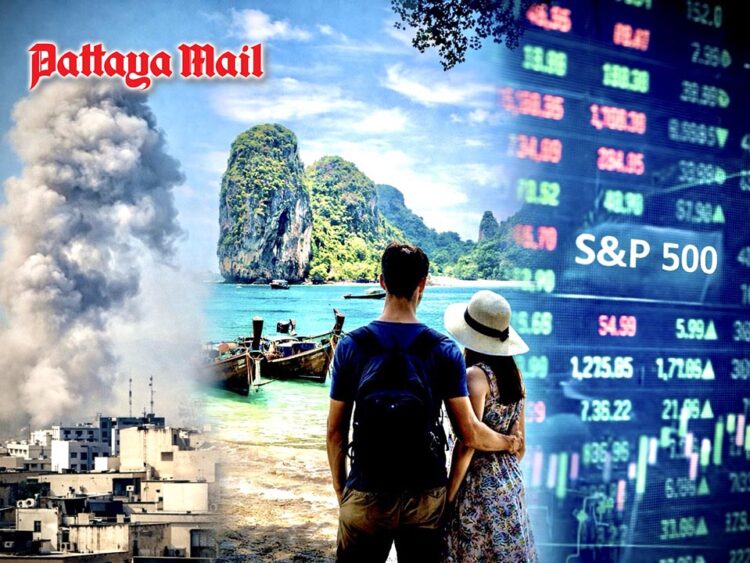
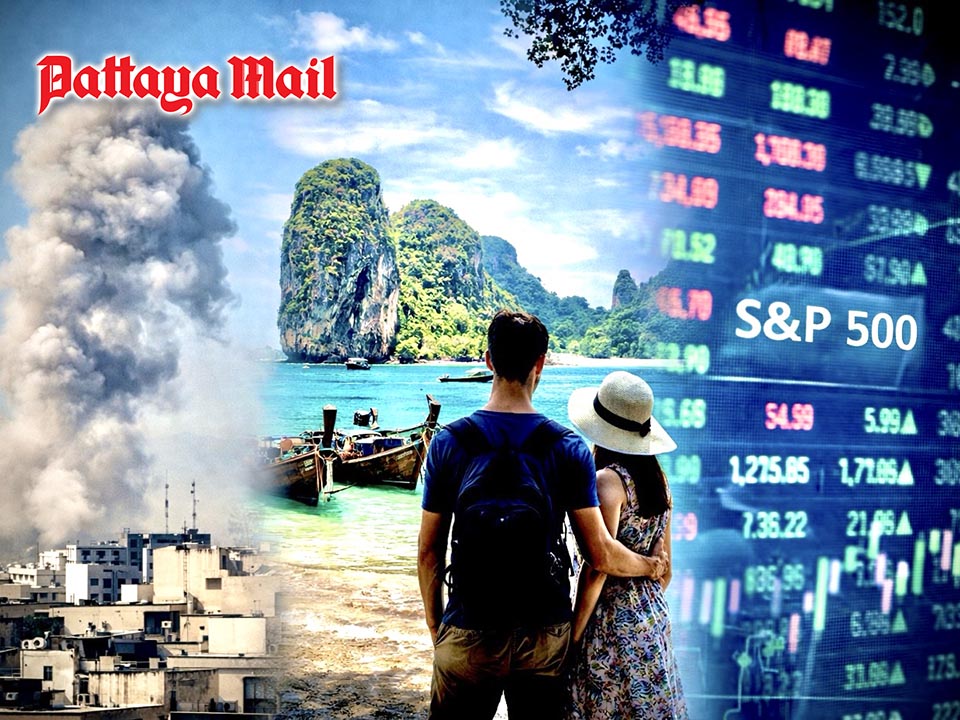
Distant conflict, measured markets, resilient travel – Global tensions rise in the Gulf, but Asia’s tourism outlook remains steady as travellers and investors respond with caution rather than panic.
Comprehensive Summarization:
The article discusses the significant impact of the escalating conflict in the Gulf region on global geopolitics, financial markets, and tourism. It highlights how the military actions involving the United States and Israel against Iran have led to heightened security alerts and retaliatory strikes, causing concern beyond the immediate region. While the primary focus is on the humanitarian implications, the article also touches on the economic repercussions, emphasizing the interconnectedness of these factors. The overall context underscores the resilience of the travel industry amidst global tensions, with travelers and investors responding with caution rather than panic.
Key Points:
Actionable Takeaways:
Risk Management in Travel Investments: Investors in the travel sector should adopt a cautious approach, closely monitoring geopolitical developments in the Gulf region. This includes diversifying investments and maintaining flexible financial strategies to mitigate potential economic impacts.
Enhanced Security Protocols: Travel companies should review and enhance their security protocols in response to heightened alerts. This may involve collaborating with security experts and implementing advanced monitoring systems to ensure the safety of travelers and staff.
Focus on Resilience and Caution: The travel industry should prioritize resilience and cautious optimism. This involves communicating transparently with customers about potential risks while maintaining a focus on safety and operational continuity.
Contextual Insights:
The article’s context is deeply rooted in the current geopolitical climate, where conflicts in the Middle East have far-reaching implications for global markets and industries. The emphasis on resilience and cautious optimism reflects a broader trend in the travel sector, where companies are increasingly adopting strategies to navigate uncertainties. This aligns with recent insights from industry thought leaders who advocate for adaptive business models and proactive risk management. The interconnectedness of geopolitics, financial markets, and tourism underscores the importance of forward-looking strategies that consider both immediate challenges and long-term stability.
Handling Different Article Types:
The article is a news brief, providing factual information on a significant geopolitical event and its implications for the travel industry. The structured output format ensures that the key points and actionable takeaways are clearly presented, making it easy for professionals to integrate this information into their decision-making processes. The contextual insights demonstrate how the article fits into the broader narrative of current travel trends and industry responses to global challenges.
Read the Complete Article.
Boutique Travel VC raises investment cap from $1.5M to $10M to lead rounds and support portfolio companies through growth Travel...
Read moreDetails




