




No products in the cart.
- Latest
- Trending

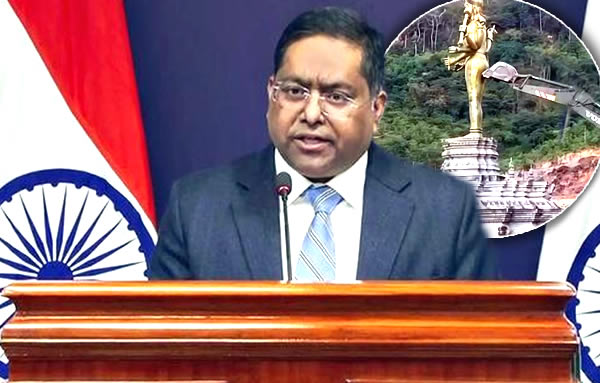
Indian MEA spokesman Randhir Jaiswal raised concern over Thai troops demolishing a Hindu statue. It came as online boycott calls emerged in India targeting Pattaya, as Thailand expresses regret. (Source: The Hindu)
Article Summary:
The article discusses a significant incident at the Thai-Cambodian border where a Hindu statue was toppled by the Thai military, leading to calls for an Indian boycott of Thailand. Indian officials, including the Ministry of External Affairs spokesman Randhir Jaiswal, expressed concern over the act, which sparked a strong online campaign. Thai officials responded by expressing regret, and Prime Minister Anutin Charnvirakul emphasized the safety of Thai soldiers. The situation has put the tourism industry on high alert, with stakeholders closely monitoring the ongoing tensions.
Key Points:
Actionable Takeaways:
Contextual Insights:
The incident at the Thai-Cambodian border underscores the delicate balance of power and cultural sensitivity in the region. The recent trend of heightened geopolitical tensions affecting travel destinations is a reminder of the importance of robust risk management strategies in the travel industry. Startups focusing on travel tech, particularly those offering real-time travel advisories and alternative destination recommendations, could find increased demand. Additionally, fintech innovations that facilitate safe and efficient travel payments, especially in regions with political instability, are likely to gain traction. The article also highlights the need for travel companies to stay informed about regional politics and cultural sensitivities to adapt their services and offerings accordingly.
Read the Complete Article.
Get curated travel AI insights — choose the newsletters that matter to you.
ALTOUR Expands into Thailand, Strengthening Corporate Travel Network Across Southeast Asia BANGKOK, THAILAND (25 March, 2026) – ALTOUR, a leading...
Read moreDetails


Comprehensive Summarization: Wyndham Hotels & Resorts is intensifying its efforts to capitalize on the growing tourism demand in India, aiming...
Read moreDetails