










No products in the cart.
- Latest
- Trending

More About
Comprehensive Summarization:
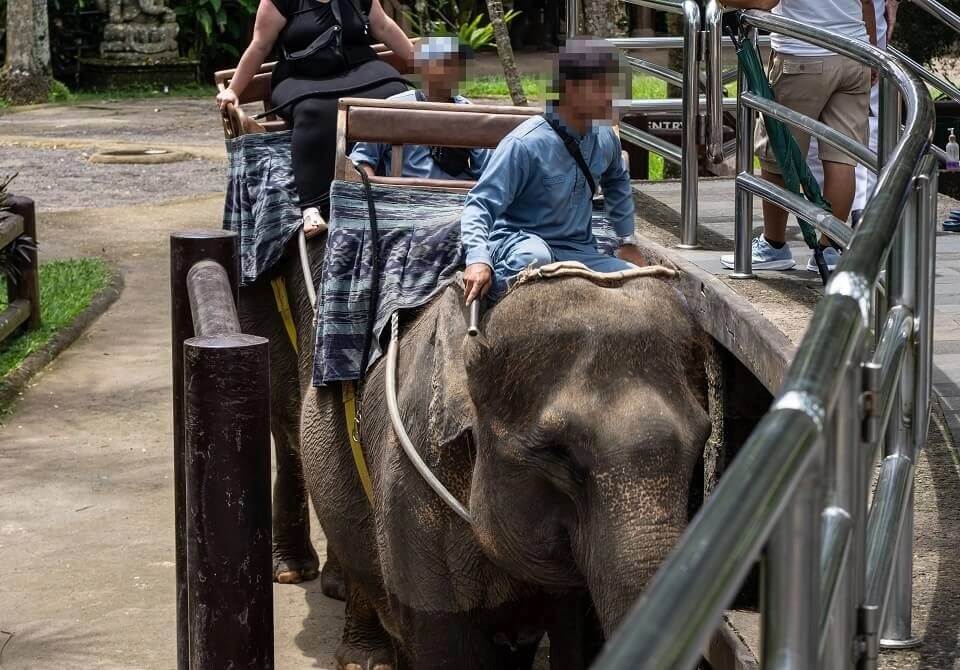
The Indonesian government has taken a historic step for animal welfare by calling for an end to elephant riding nationwide. This directive, effective at the end of 2025, requires all conservation and tourist facilities to cease elephant riding activities and shift towards ethical, observation-based experiences. This move is a significant win for captive elephants, following years of campaigning by animal welfare organizations that have exposed the harm caused by elephant rides. The government’s directive marks a shift towards more ethical wildlife tourism practices in the region.
Key Points:
Actionable Takeaways:
Shift Towards Ethical Wildlife Tourism: The Indonesian government’s directive signifies a broader trend towards ethical wildlife tourism practices globally. Travel companies and destinations should consider transitioning from traditional wildlife attractions, such as elephant rides, to more ethical and observation-based experiences. This shift not only aligns with animal welfare standards but also caters to the growing demand for responsible tourism among travelers.
Impact on Conservation Efforts: By ending elephant riding, Indonesia is taking a proactive step towards improving the welfare of captive elephants. This move could serve as a model for other countries with similar wildlife tourism practices, potentially leading to improved conservation efforts and better living conditions for captive animals in the global tourism industry.
Contextual Insights:
The Indonesian government’s decision to end elephant riding aligns with the growing global trend towards ethical and sustainable tourism practices. This move reflects a broader industry shift towards minimizing animal exploitation and promoting conservation-focused tourism experiences. As travelers become increasingly conscious of their environmental and ethical impact, destinations that adopt ethical tourism practices are likely to attract more responsible tourists. Furthermore, this directive could stimulate innovation in the travel sector, encouraging the development of new ethical tourism technologies and experiences. For instance, destinations might invest in virtual reality experiences that allow tourists to observe wildlife in their natural habitats without direct interaction, thereby reducing the need for traditional wildlife attractions like elephant rides. This shift could also drive advancements in animal welfare technologies, such as improved living conditions for captive animals and non-invasive monitoring techniques.
Read the Complete Article.
Get curated travel AI insights — choose the newsletters that matter to you.
ALTOUR Expands into Thailand, Strengthening Corporate Travel Network Across Southeast Asia BANGKOK, THAILAND (25 March, 2026) – ALTOUR, a leading...
Read moreDetails


Comprehensive Summarization: The article highlights Cambodia's strategy to boost sustainable tourism growth by encouraging provinces to develop unique tourism brands....
Read moreDetails