Comprehensive Summarization:
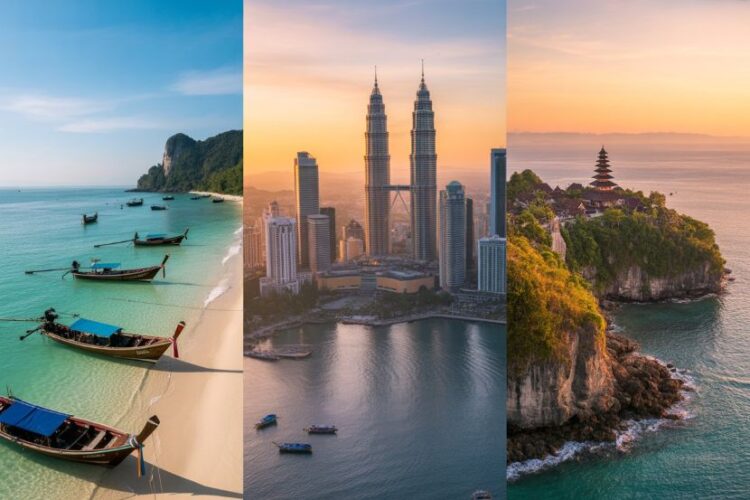
The article discusses Indonesia’s decision to join Thailand and Malaysia in a visa-free travel initiative, targeting Indian and Chinese tourists for the year 2026. This move is part of a broader “visa-free frenzy” in Asia, aimed at attracting more tourists from these two populous countries. The initiative simplifies travel logistics for Indian and Chinese tourists, allowing them to visit Indonesia, Thailand, and Malaysia without the need for visas. This development is significant as it aligns with the increasing demand from these tourist demographics, who are planning longer trips and seeking more flexible travel options. The article highlights the potential impact of this visa-free policy on travel trends, suggesting that borders are becoming less restrictive, making holidays feel closer and more accessible for these tourists.
Key Points:
- Indonesia, Thailand, and Malaysia are collaborating on a visa-free travel initiative for Indian and Chinese tourists in 2026.
- The initiative aims to attract more tourists from India and China by simplifying travel logistics.
- The policy is timely, considering the rising demand from Indian and Chinese tourists for travel in the region.
- The visa-free policy is expected to make holidays feel closer and more accessible for these tourists, encouraging longer trips and more frequent visits.
Actionable Takeaways:
-
Enhanced Travel Accessibility: The visa-free policy for Indian and Chinese tourists is expected to significantly increase travel accessibility, leading to a surge in tourist arrivals from these countries. Travel agencies and service providers should prepare for a higher influx of visitors by enhancing their offerings and customer service to meet the increased demand.
-
Opportunities for Local Businesses: With more tourists visiting the region, local businesses, including hotels, restaurants, and tour operators, are likely to experience a boost in business. Stakeholders in the travel industry should leverage this trend by offering competitive pricing, exclusive packages, and improved services to attract and retain tourists.
-
Investment in Travel Infrastructure: The initiative underscores the importance of robust travel infrastructure. Governments and private entities should invest in improving transportation, accommodation, and tourist facilities to ensure a seamless travel experience for visitors. This investment can lead to long-term economic benefits and position the region as a premier travel destination.
Contextual Insights:
The visa-free travel initiative reflects a broader trend in the travel industry towards making travel more accessible and convenient for tourists from emerging markets. As global travel demand continues to grow, particularly from countries with large populations like India and China, destinations are increasingly adopting policies that reduce barriers to entry. This shift is supported by thought leaders in the travel industry who emphasize the importance of leveraging technology and strategic partnerships to enhance the travel experience. The article aligns with current industry trends, such as the rise of digital travel platforms and the increasing importance of sustainable tourism practices. By adopting a visa-free policy, Indonesia, Thailand, and Malaysia are positioning themselves as attractive destinations for a growing segment of the global tourist market, potentially leading to increased economic benefits and cultural exchange.
Read the Complete Article.






![Park Chang-jin, head of the KAC Airport Service Planning Division, is expressing his feelings about taking office. [KAC Airport Service]](https://images.traveltrade.today/wp-content/uploads/2026/04/Park-Chang-jin-Exposes-Nut-Rage-Incident-at-Korean-Air.jpg)