The article discusses the significant impact of the widening conflict involving Iran in early 2026 on global aviation, with a particular focus on Thailand and Indonesia’s Bali. The disruption in air routes, coupled with rising fuel costs and increased traveler anxiety, is adversely affecting Southeast Asia’s vital tourism sector. The escalation of military action, involving the United States, Israel, and Iran, has led to large sections of regional airspace being disrupted, causing considerable shockwaves through global flight networks. This situation highlights the vulnerability of the travel industry to geopolitical tensions and underscores the need for robust contingency planning in the face of such conflicts.
Key Points:
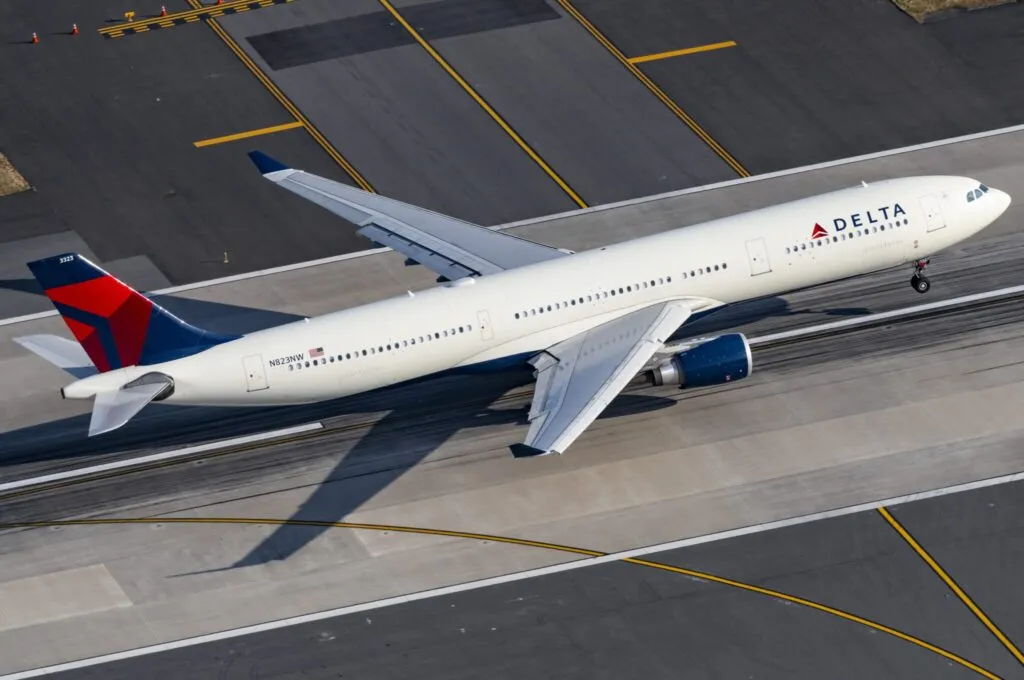
The conflict in Iran has led to significant disruptions in global flight networks, particularly affecting air travel in the Middle East.
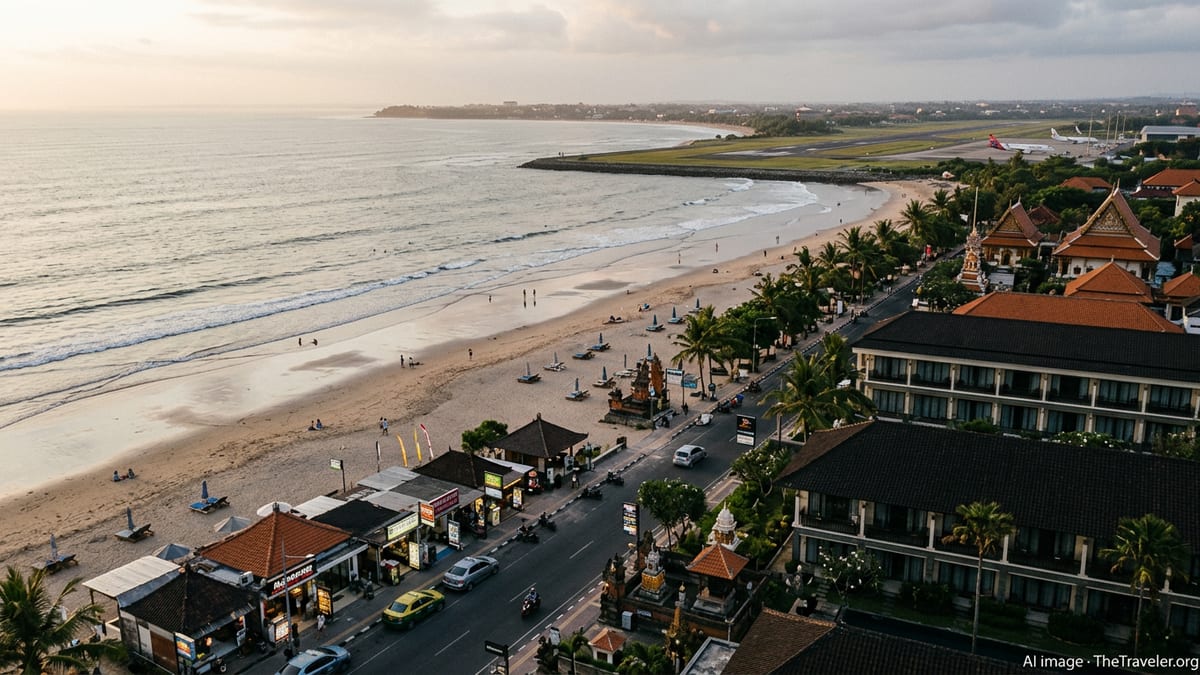
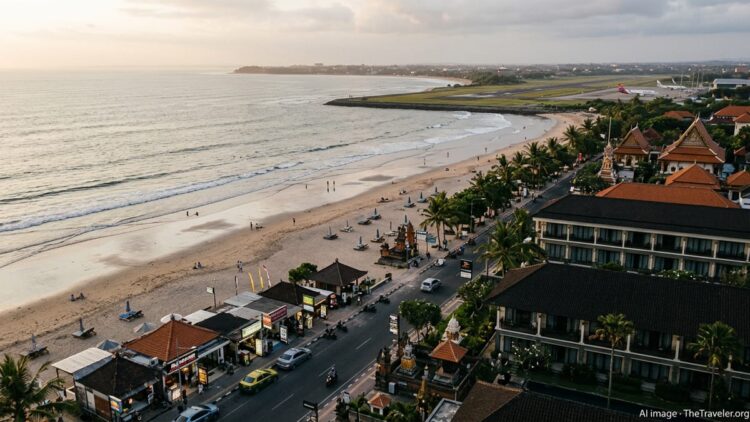
Thailand and Indonesia’s Bali are emerging as unexpected casualties of the conflict, experiencing disruptions in air routes and increased fuel costs.
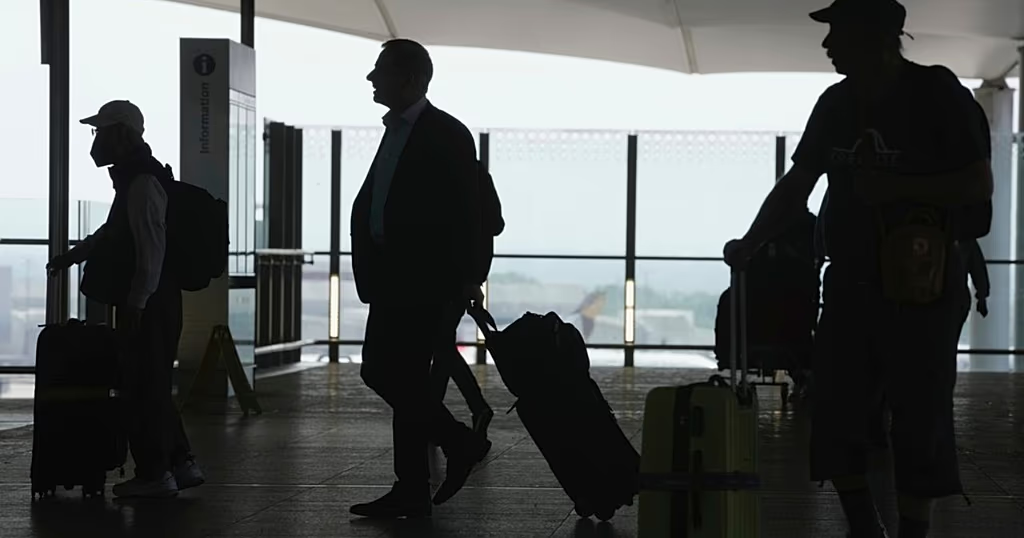
Rising fuel costs and nervous travelers are contributing to a decline in tourism in Southeast Asia, impacting the region’s vital tourism sector.
The escalation of military action involving the United States, Israel, and Iran has heightened geopolitical tensions, affecting international travel and tourism.
Actionable Takeaways:
Diversify Travel Routes: Airlines and travel agencies should explore diversifying travel routes and destinations to mitigate the impact of geopolitical conflicts on tourism. This could involve developing alternative routes or promoting less affected regions to maintain steady tourist inflows.
Invest in Fuel Cost Management: Travel companies should invest in fuel cost management strategies, such as hedging against fuel price volatility, to protect against rising fuel costs that can significantly impact operational expenses and profitability.
Enhance Traveler Communication: Airlines and travel companies should enhance communication with travelers regarding potential disruptions and safety measures. Transparent communication can help manage traveler anxiety and maintain trust, which is crucial during times of geopolitical unrest.
Contextual Understanding:
The article reflects the current state of the travel industry, where geopolitical tensions can have far-reaching impacts on travel and tourism. The disruption in air routes and the subsequent rise in fuel costs highlight the interconnectedness of global supply chains and the vulnerability of the travel sector to external shocks. The focus on Southeast Asia’s tourism sector underscores the region’s importance as a key player in the global tourism market. Insights from thought leaders suggest that the travel industry must adapt to such challenges by leveraging technology, diversifying offerings, and maintaining robust communication strategies to mitigate risks and ensure resilience.
Handling Different Article Types:
The article is a news brief, providing factual information about the impact of a geopolitical conflict on the travel industry. The structured output format ensures that the summary, key points, and actionable takeaways are presented in a clear and professional manner, suitable for a professional audience. The context provided integrates recent events and market conditions, offering a forward-looking perspective on how the travel industry can adapt to geopolitical challenges.
Comprehensive Summarization: The article highlights that Vietnam’s Mui Ne has been named among Booking.com’s top 10 global trending destinations for...