


















Travel Capitalist Ventures Expands Check Size to $10 Million to Deepen Emerging Market Conviction
Boutique Travel VC raises investment cap from $1.5M to $10M to lead rounds and support portfolio companies through growth Travel...
Read moreDetails
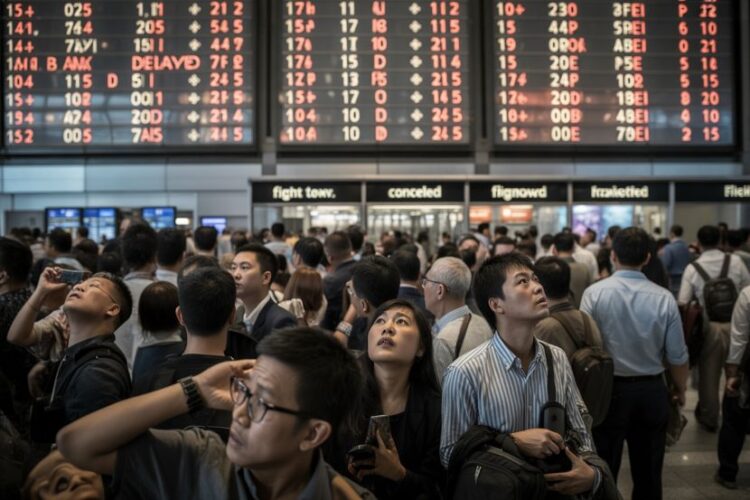
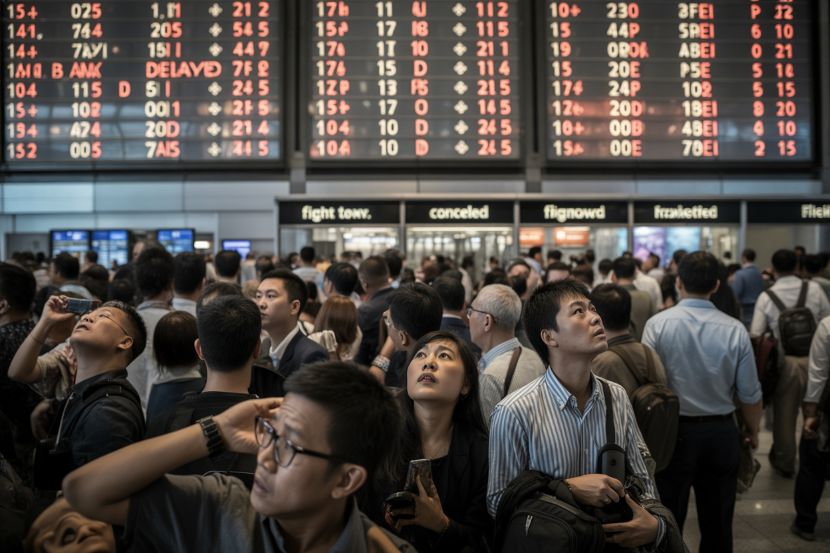
Iran Conflict Disrupts International Travel Routes to Thailand, Middle East and Europe: How Airspace...
Comprehensive Summarization:
The article discusses the significant disruption to international travel routes to Thailand, the Middle East, and Europe due to the ongoing conflict between Iran and several Western powers. This conflict has led to airspace closures and a surge in travel costs as flights are rerouted, posing a threat to Thailand’s ambitious tourism target of welcoming 36 million international visitors in 2026. The article highlights the challenges faced by Thailand’s tourism sector, a key player in the region, as it grapples with the implications of the Middle East conflict on global air travel networks and tourism goals.
Key Points:
Actionable Takeaways:
Diversify Tourism Markets: Thailand should explore diversifying its tourism markets to reduce dependency on the Middle East and Europe. This could involve marketing campaigns to attract tourists from other regions, thereby mitigating the impact of geopolitical conflicts on tourism numbers.
Invest in Travel Tech Solutions: The article underscores the need for innovative travel tech solutions to manage disruptions caused by geopolitical events. Investing in technologies that facilitate real-time itinerary adjustments, offer alternative travel routes, and provide cost-effective travel options can help airlines and travel agencies adapt swiftly to changing circumstances.
Enhance Travel Insurance and Financial Protection: Given the surge in travel costs due to rerouted flights, there is a pressing need for enhanced travel insurance and financial protection options. Travel providers should offer packages that include coverage for increased travel expenses and provide flexibility in booking changes, thereby offering reassurance to travelers and potentially stabilizing demand.
Contextual Understanding:
The article is set against the backdrop of heightened geopolitical tensions, specifically the conflict between Iran and several Western powers. This context is crucial as it directly impacts global air travel networks, leading to airspace closures and increased travel costs. The article also references Thailand’s ambitious tourism target for 2026, which underscores the sector’s vulnerability to external shocks. By integrating insights from recent travel trends and expert opinions, the article provides a forward-looking perspective on the resilience and adaptability required in the travel industry amidst geopolitical uncertainties. The emphasis on travel tech and financial protection reflects current industry trends, where innovation and risk mitigation are key to sustaining growth and customer trust.
Handling Different Article Types:
The article falls under the category of a news brief, providing factual information about the impact of a geopolitical conflict on the travel industry. The structured output format ensures that the summary, key points, and actionable takeaways are presented in a clear and professional manner, suitable for a professional audience. The content is strictly sourced from the article, adhering to the facts and context provided without introducing external verification unless explicitly referenced.
Read the Complete Article.
Boutique Travel VC raises investment cap from $1.5M to $10M to lead rounds and support portfolio companies through growth Travel...
Read moreDetails




