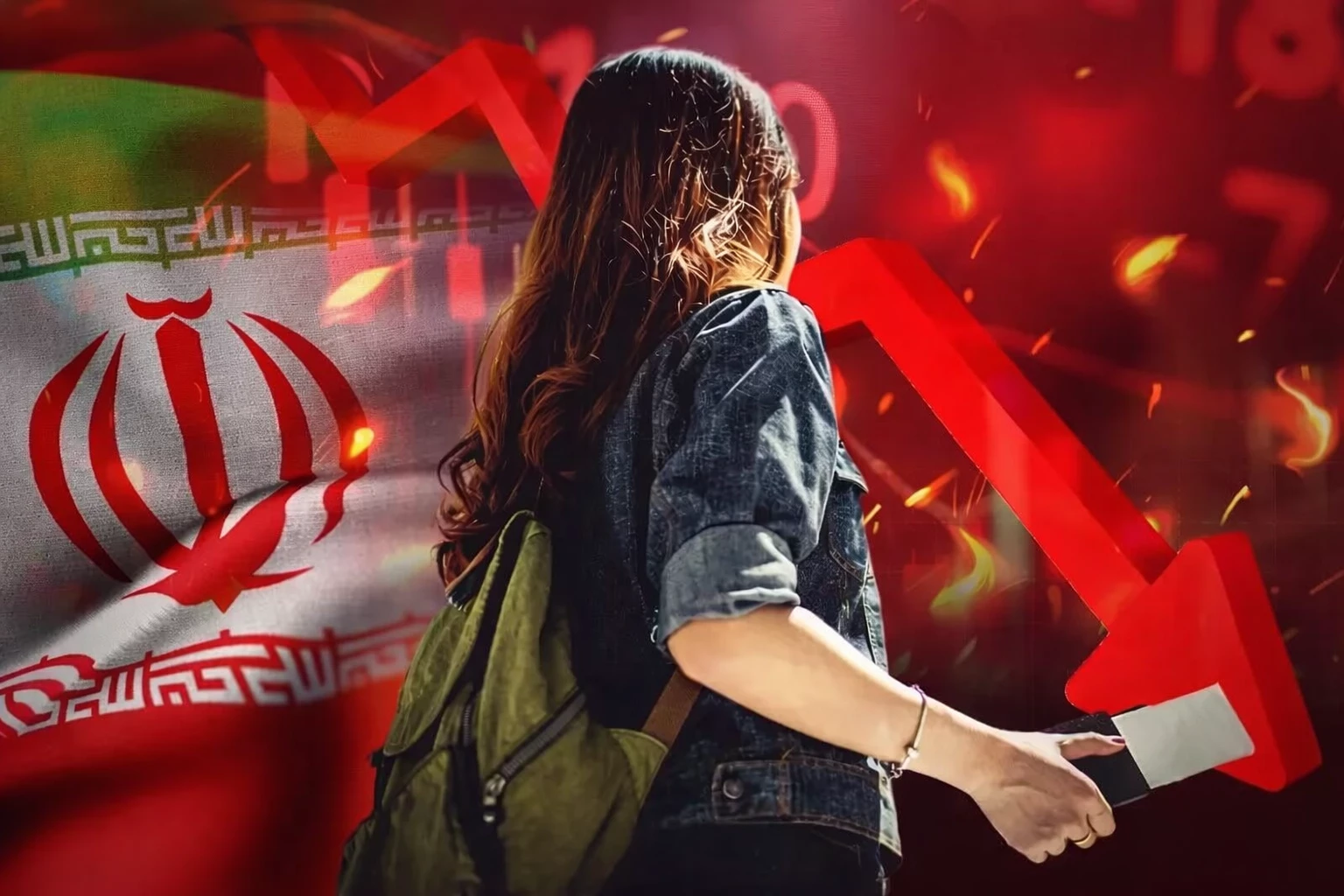
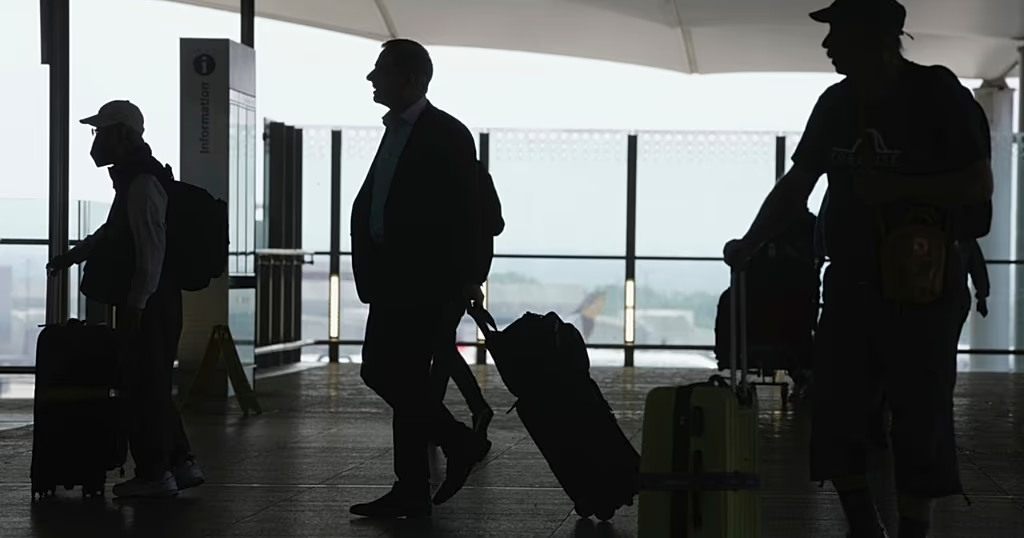
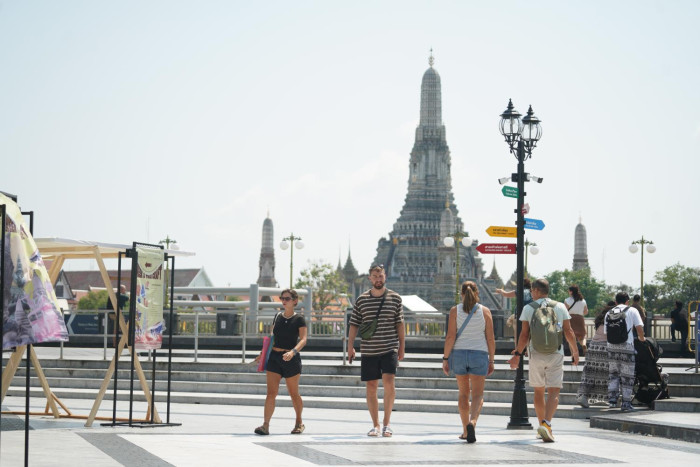
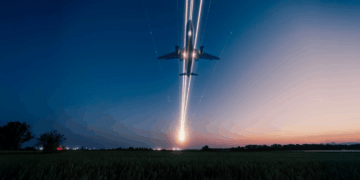
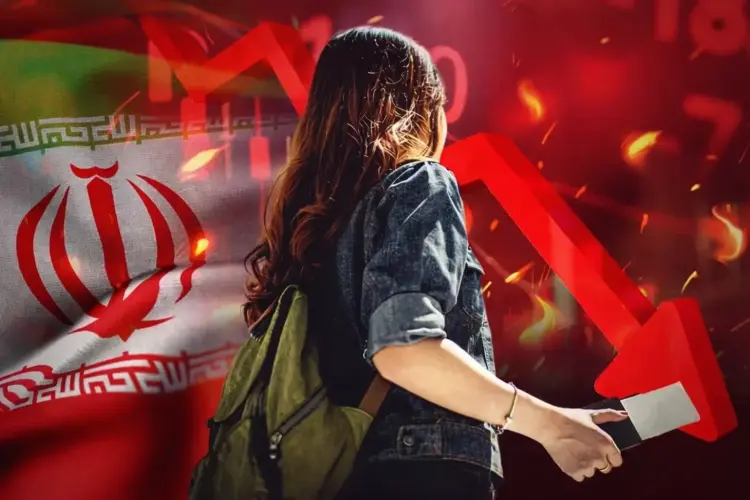
The article discusses the potential risks to Thailand’s tourism sector and overall exports if the ongoing war persists beyond six to ten weeks. It highlights that a prolonged conflict could lead to a significant decline in tourist arrivals, particularly from the Middle East and Europe, due to airspace closures and increased air fares. In March alone, tourist arrivals dropped by over 300,000, marking a 10% decrease from the same period a year earlier. By year-end, total arrivals could fall by between 600,000 and 1.2 million compared to last year. Additionally, the article warns that exports are expected to grow by less than the previously forecasted 3% due to higher shipping costs, which will put additional pressure on an already weak manufacturing sector. These developments underscore the vulnerability of Thailand’s economy to geopolitical tensions and the broader implications for the travel industry.
Key Points:
If the war lasts more than six to ten weeks, Thailand’s tourism sector is likely to suffer, especially from key markets like the Middle East and Europe.
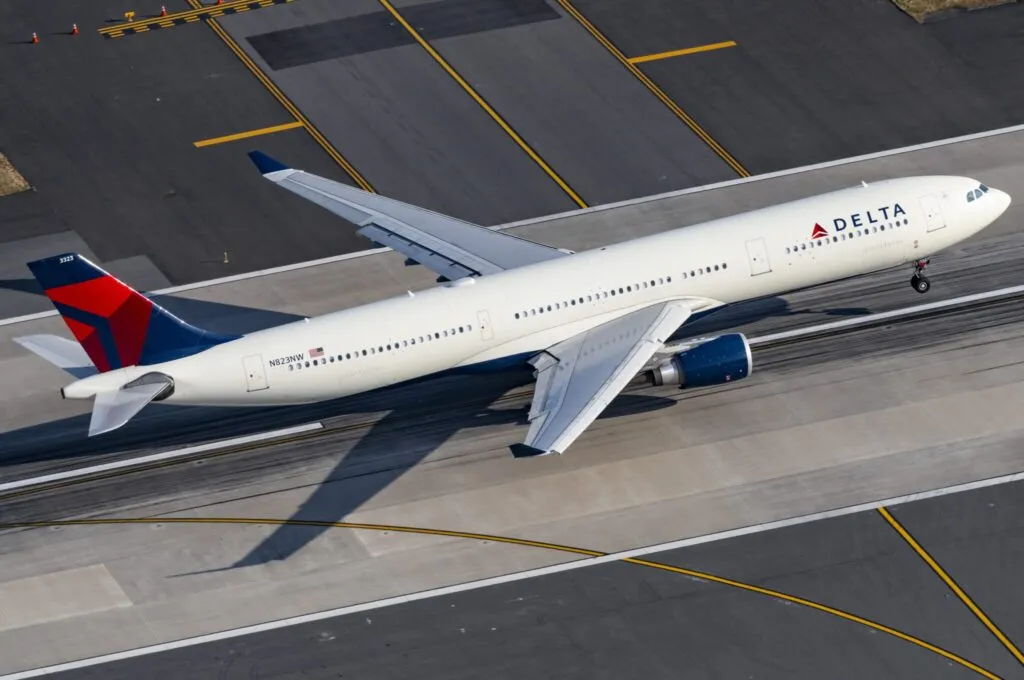
The decline in tourist arrivals is attributed to airspace closures and higher air fares resulting from increased fuel costs.
In March, tourist arrivals fell by more than 300,000, a 10% decrease from the previous year.
By year-end, total tourist arrivals could drop by between 600,000 and 1.2 million compared to last year.
Exports are expected to grow by less than 3% due to higher shipping costs, impacting the already weak manufacturing sector.
Actionable Takeaways:
Mitigate Tourism Impact: Travel agencies and tourism boards should explore alternative marketing strategies to attract tourists from other regions unaffected by the conflict. This could include targeted campaigns highlighting Thailand’s unique cultural and natural attractions to mitigate the impact of reduced arrivals from the Middle East and Europe.
Cost Management in Shipping: Businesses involved in shipping and logistics should seek cost-effective solutions to manage higher shipping expenses. This could involve negotiating better rates with carriers, optimizing shipping routes, or investing in technology to streamline operations and reduce costs.
Diversify Export Markets: Companies exporting goods from Thailand should consider diversifying their markets to reduce dependency on regions affected by the conflict. Expanding into new markets or strengthening relationships with existing markets outside the conflict zone could help stabilize export growth.
Contextual Insights:
The article’s context is deeply rooted in the current geopolitical tensions and their direct impact on the travel and export sectors. The decline in tourist arrivals and export growth underscores the vulnerability of economies to external shocks, particularly those originating from conflicts. This situation highlights the importance of diversification and resilience in business strategies. Furthermore, the article aligns with recent travel trends indicating a shift towards safer and more stable destinations. Thought leaders in the travel industry are increasingly emphasizing the need for proactive risk management and the development of contingency plans to mitigate the effects of geopolitical instability. The insights from this article suggest that the travel industry must remain agile and adaptable, leveraging technology and innovative marketing strategies to navigate through turbulent times.
Comprehensive Summarization: The article highlights that Vietnam’s Mui Ne has been named among Booking.com’s top 10 global trending destinations for...