







No products in the cart.
- Latest
- Trending

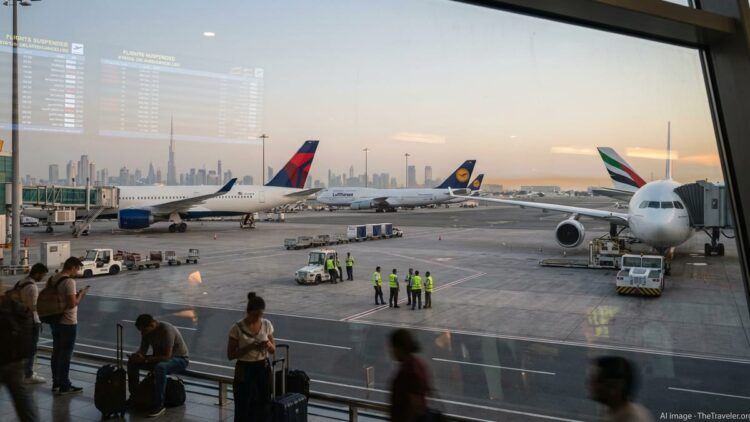
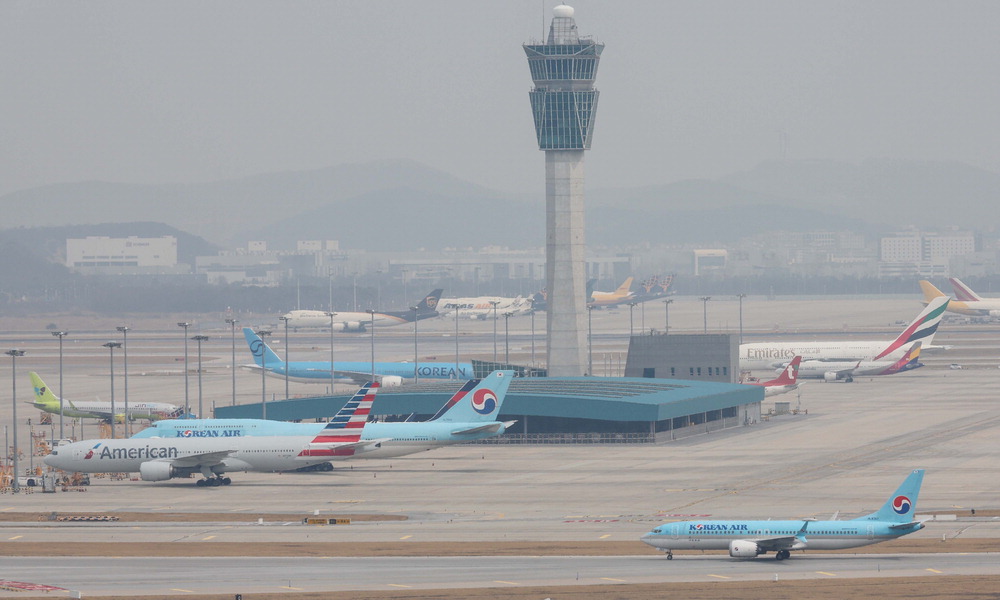
Iran Crisis Deepens Southeast Asia Tourism Slowdown
Comprehensive Summarization:
The article discusses the adverse impact of the Iran war and the Middle East fuel crisis on Southeast Asia’s travel industry. This geopolitical turmoil is causing a slowdown in the fragile post-pandemic tourism rebound in key markets such as Thailand, Malaysia, and Singapore. The conflict is not only affecting travel flows but also exposing new vulnerabilities linked to Iran and regional investor sentiment. Despite tourism across Southeast Asia edging back toward pre-pandemic levels, recent turbulence has shifted the trajectory, indicating a potential long-term impact on the region’s travel industry.
Key Points:
Actionable Takeaways:
Diversification of Travel Markets: Travel companies should consider diversifying their market focus beyond Southeast Asia to mitigate risks associated with geopolitical tensions in the Middle East. This strategy could help in maintaining a stable flow of tourists and reducing dependency on a single market.
Investment in Resilient Travel Infrastructure: Given the vulnerabilities exposed by the conflict, there is a pressing need for investment in resilient travel infrastructure. This includes developing contingency plans for travel disruptions and enhancing security measures to protect against geopolitical risks.
Strengthening Investor Relations: Companies should focus on strengthening their relationships with regional investors to mitigate the impact of investor sentiment shifts. This could involve transparent communication about risk management strategies and showcasing the long-term potential of the travel industry in the region.
Contextual Understanding:
The article is set against the backdrop of a post-pandemic recovery in the travel industry, where Southeast Asia had been making significant strides. The recent escalation in the Iran war and the Middle East fuel crisis has introduced new challenges, disrupting travel flows and investor confidence. This context is crucial for understanding the gravity of the situation and the potential long-term implications for the travel industry in the region. The insights provided align with current industry trends, emphasizing the importance of resilience, diversification, and strategic investor relations in navigating geopolitical uncertainties.
Handling Different Article Types:
The article in question is a news brief, providing factual information about the impact of geopolitical events on the travel industry. The summarization, key points, and actionable takeaways are structured to reflect the concise nature of news briefs while ensuring that the content is informative and actionable for a professional audience. The analysis integrates the latest travel trends and insights from thought leaders, offering a forward-looking perspective on the challenges and opportunities in the travel sector.
Read the Complete Article.
Get curated travel AI insights — choose the newsletters that matter to you.
ALTOUR Expands into Thailand, Strengthening Corporate Travel Network Across Southeast Asia BANGKOK, THAILAND (25 March, 2026) – ALTOUR, a leading...
Read moreDetails


Comprehensive Summarization: The article discusses the adverse impact of the Iran war and the Middle East fuel crisis on Southeast...
Read moreDetails