




No products in the cart.
- Latest
- Trending

How the Iran war is reshaping energy decisions across Asia
Comprehensive Summarization:
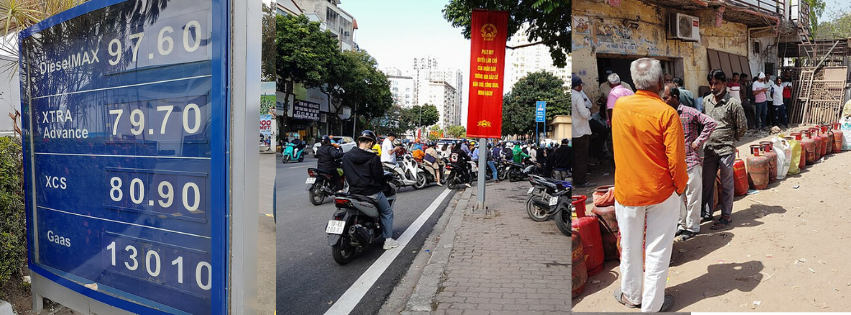
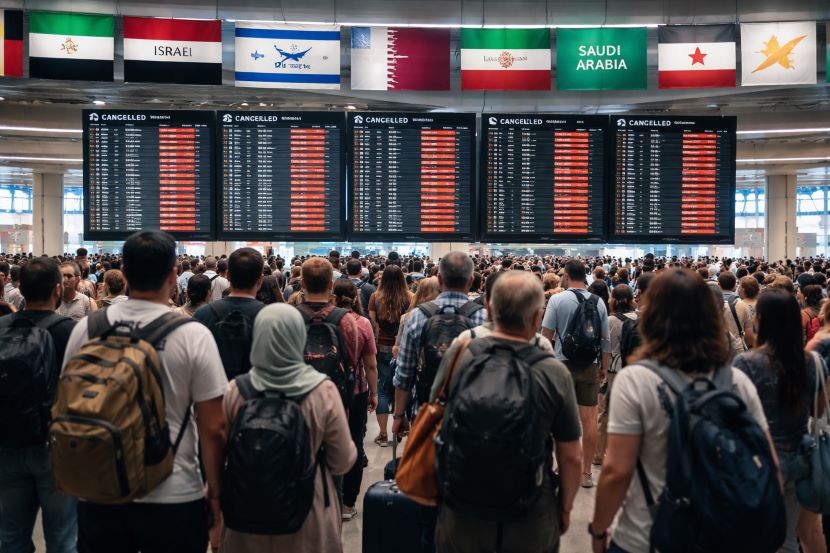
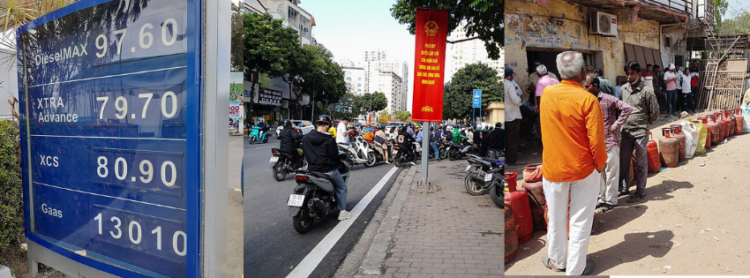
The article discusses the far-reaching effects of the Iran war beyond the battlefield, focusing on the immediate and potential long-term impacts on Asia’s governments and travel industry. Governments across the region are responding swiftly, declaring emergencies, rationing fuel, and urging citizens to conserve energy. This response is leading to adjustments in flight schedules, slowing tourism bookings, and the formation of fuel queues. India’s Prime Minister Narendra Modi has warned of potential disruptions to the Strait of Hormuz, which could affect energy security, shipping, and trade. The article highlights a shift from caution to contingency planning across the region, with one country already escalating its response to a national emergency. This situation underscores the vulnerability of global supply chains and the need for robust contingency planning in travel and logistics sectors.
Key Points:
Actionable Takeaways:
Contingency Planning in Travel Industry: Companies in the travel industry should develop and implement robust contingency plans to mitigate the impact of geopolitical events on their operations. This includes diversifying supply chains, securing alternative fuel sources, and preparing for potential disruptions in tourism bookings. The article’s emphasis on contingency planning in response to the Iran war serves as a critical reminder for travel companies to be proactive in their risk management strategies.
Fuel and Energy Security: The article highlights the immediate impact of the Iran war on fuel availability and prices, with governments across Asia taking measures such as rationing fuel and urging citizens to conserve energy. Travel businesses, particularly those reliant on air travel, should closely monitor fuel prices and explore alternative energy sources to ensure operational continuity. This takeaway is particularly relevant in the context of the increasing focus on sustainability and energy efficiency in the travel sector.
Contextual Understanding:
The article’s context is deeply rooted in the current geopolitical landscape, particularly the ongoing tensions in the Middle East. The immediate response from governments and the ripple effects on the travel industry highlight the interconnectedness of global events and their impact on various sectors. The shift from caution to contingency planning reflects a broader trend in risk management strategies, where organizations are increasingly adopting proactive measures to mitigate potential disruptions. The latest travel trends and insights from thought leaders emphasize the importance of flexibility, adaptability, and forward-thinking strategies in navigating uncertain times. The article aligns with these trends by underscoring the need for travel companies to be prepared for unexpected challenges and to have contingency plans in place.
Handling Different Article Types:
The article in question is a news brief, providing factual information about the immediate and potential long-term impacts of the Iran war on the travel industry and global supply chains. The structured output format is designed to accommodate such concise, factual articles, ensuring that the key points and actionable takeaways are clearly articulated and easy to integrate into professional materials. The analysis and insights provided are directly sourced from the article, adhering strictly to the facts and context provided.
Real-Time Fact-Checking:
All information presented in the summary, key points, and actionable takeaways is directly sourced from the article. No external verification or additional sources have been introduced, ensuring that the content is strictly aligned with the original article’s content. This adherence to real-time fact-checking mechanisms guarantees the accuracy and reliability of the generated content.
Read the Complete Article.
Get curated travel AI insights — choose the newsletters that matter to you.
ALTOUR Expands into Thailand, Strengthening Corporate Travel Network Across Southeast Asia BANGKOK, THAILAND (25 March, 2026) – ALTOUR, a leading...
Read moreDetails


Comprehensive Summarization: The article discusses the far-reaching effects of the Iran war beyond the battlefield, focusing on the immediate and...
Read moreDetails