






No products in the cart.
- Latest
- Trending

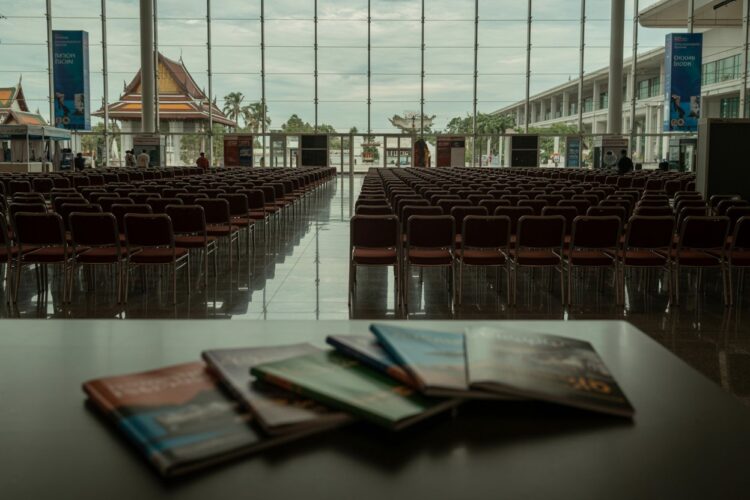
Khon Kaen Tourism and MICE Sector in Thailand Faces Severe Slowdown as Rising Global Oil Prices and ...
Comprehensive Summarization:
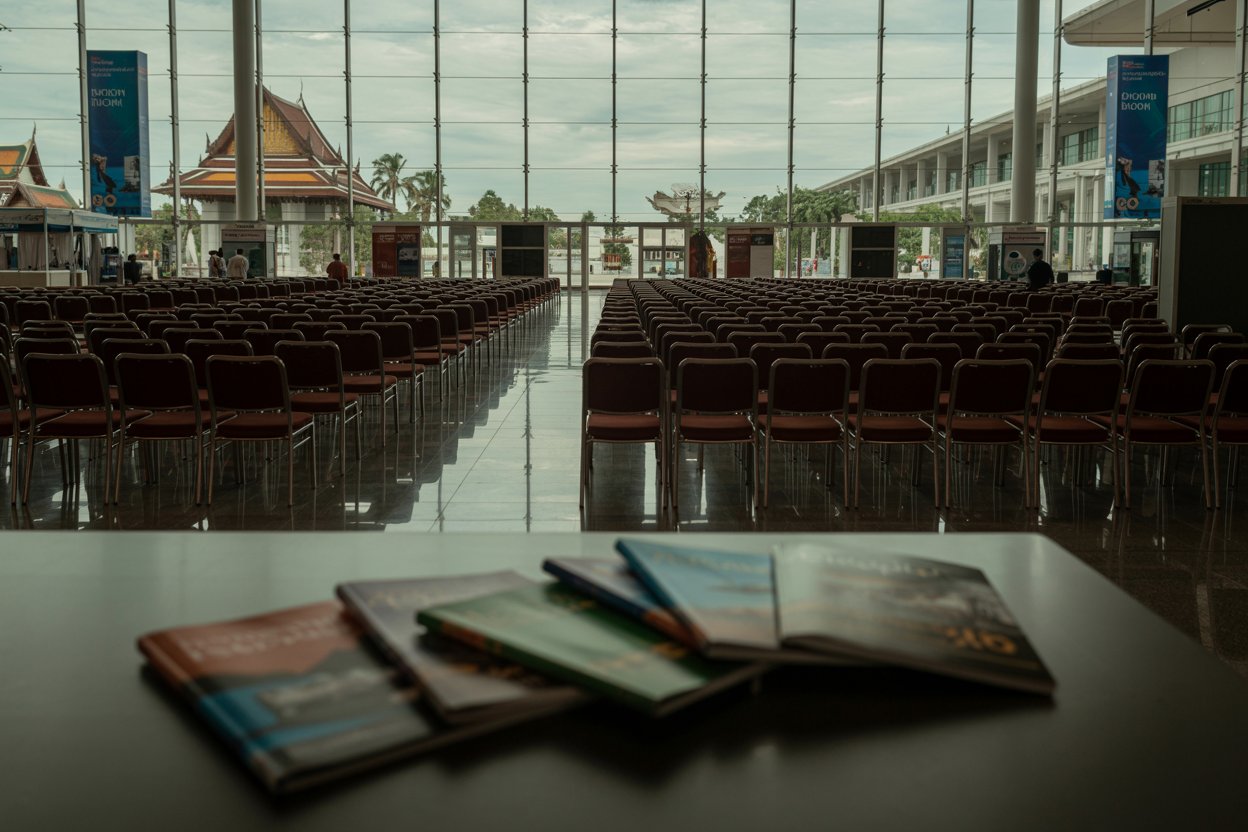
The article reports on a severe slowdown in the tourism and MICE (Meetings, Incentives, Conferences, and Exhibitions) sector in Khon Kaen Province, Thailand. This decline is attributed to rising global oil prices and the ongoing conflict in the Middle East, which are disrupting travel and events. The slowdown affects various stakeholders, including hoteliers, event organizers, and local businesses. The article highlights the broader pressures facing Thailand’s tourism industry, emphasizing the need for adaptive strategies to mitigate the impact of these external factors.
Key Points:
Actionable Takeaways:
Diversify Revenue Streams: Local businesses and event organizers should explore diversifying their revenue streams to reduce dependency on traditional tourism and MICE activities. This could involve developing niche markets or alternative revenue sources that are less susceptible to global economic fluctuations.
Invest in Digital Marketing: To counteract the impact of reduced travel, businesses should invest in digital marketing strategies to attract virtual events and online tourism. This approach can help maintain engagement and revenue streams in a post-pandemic, digitally connected world.
Adopt Flexible Event Planning: Event organizers should adopt flexible planning strategies that accommodate potential disruptions. This includes having contingency plans for travel cancellations and leveraging digital platforms for virtual events, ensuring continuity and resilience in the face of external pressures.
Contextual Insights:
The decline in tourism and MICE activity in Khon Kaen Province reflects broader challenges faced by Thailand’s tourism industry, exacerbated by global economic pressures. Rising oil prices increase travel costs, making international travel less affordable and attractive. The ongoing conflict in the Middle East further complicates travel plans, as safety concerns and logistical challenges deter both domestic and international visitors. These factors highlight the vulnerability of the tourism sector to external economic and geopolitical events.
In response, the industry must innovate and adapt. The rise of digital technologies offers opportunities for virtual events and online tourism, which can mitigate the impact of physical travel restrictions. Additionally, fostering partnerships and collaborations within the travel ecosystem can help distribute risks and create resilient business models. By embracing these strategies, stakeholders can navigate the current slowdown and position themselves for future growth in a more volatile global environment.
Read the Complete Article.
Get curated travel AI insights — choose the newsletters that matter to you.
This spot is reserved for brands with a compelling story for the travel trade. They use this space to cut...
Read moreDetailsALTOUR Expands into Thailand, Strengthening Corporate Travel Network Across Southeast Asia BANGKOK, THAILAND (25 March, 2026) – ALTOUR, a leading...
Read moreDetails


Given the error message provided, it appears that the article could not be accessed due to permission restrictions. Consequently, I...
Read moreDetails