




No products in the cart.
- Latest
- Trending


‘Lisa effect’ draws crowds to Thailand’s Red Lotus Sea, 120,000 visitors expected this season
Comprehensive Summarization:
The article discusses the “Lisa Effect” sparked by the collaboration between Thailand and global artist Lalisa “Lisa” Manobal, known as LISA. This phenomenon has led to a significant surge in tourism to the Red Lotus Sea at Nong Han Lake in Udon Thani, Thailand. The Tourism Authority of Thailand (TAT) reports that this influx of tourists, traveling “in Lisa’s footsteps,” is helping position the province as a must-visit destination and is spreading income to local operators. The TAT expects the Red Lotus Sea tourism season in 2026, from November 2025 to February 2026, to attract no fewer than 120,000 visitors. TAT Governor Thapanee Kiatphaibool attributes this success to the collaboration with LISA in her role as an Amazing Thailand Ambassador.
Key Points:
Actionable Takeaways:
Leverage Celebrity Collaborations for Tourism Boost: The success of the “Lisa Effect” demonstrates the potential of celebrity collaborations in driving tourism. Travel businesses and destinations can explore similar partnerships with global influencers to boost visitor numbers and economic benefits for local operators.
Strategic Seasonal Planning: The TAT’s forecast of attracting 120,000 visitors during the 2026 Red Lotus Sea tourism season highlights the importance of strategic seasonal planning. Travel businesses can use such data to plan marketing campaigns, infrastructure development, and service enhancements to maximize visitor experiences and revenue during peak seasons.
Focus on Local Economic Development: The article emphasizes the positive impact on local operators, indicating that tourism can be a powerful tool for economic development in the region. Businesses and policymakers should prioritize initiatives that ensure local communities benefit directly from tourism, fostering sustainable growth and community engagement.
Contextual Insights:
The “Lisa Effect” exemplifies a trend where global cultural figures are leveraged to promote tourism in specific regions, a strategy that aligns with current industry trends emphasizing experiential and influencer-driven travel. This approach not only enhances the appeal of destinations but also fosters cross-cultural exchanges, enriching the travel experience for tourists. As the travel industry continues to evolve, such collaborations are likely to become more prevalent, offering innovative ways to attract tourists and stimulate local economies. Furthermore, the success of this initiative underscores the importance of strategic partnerships between tourism authorities, global influencers, and local businesses in creating sustainable and impactful tourism growth.
Read the Complete Article.
Get curated travel AI insights — choose the newsletters that matter to you.
ALTOUR Expands into Thailand, Strengthening Corporate Travel Network Across Southeast Asia BANGKOK, THAILAND (25 March, 2026) – ALTOUR, a leading...
Read moreDetails


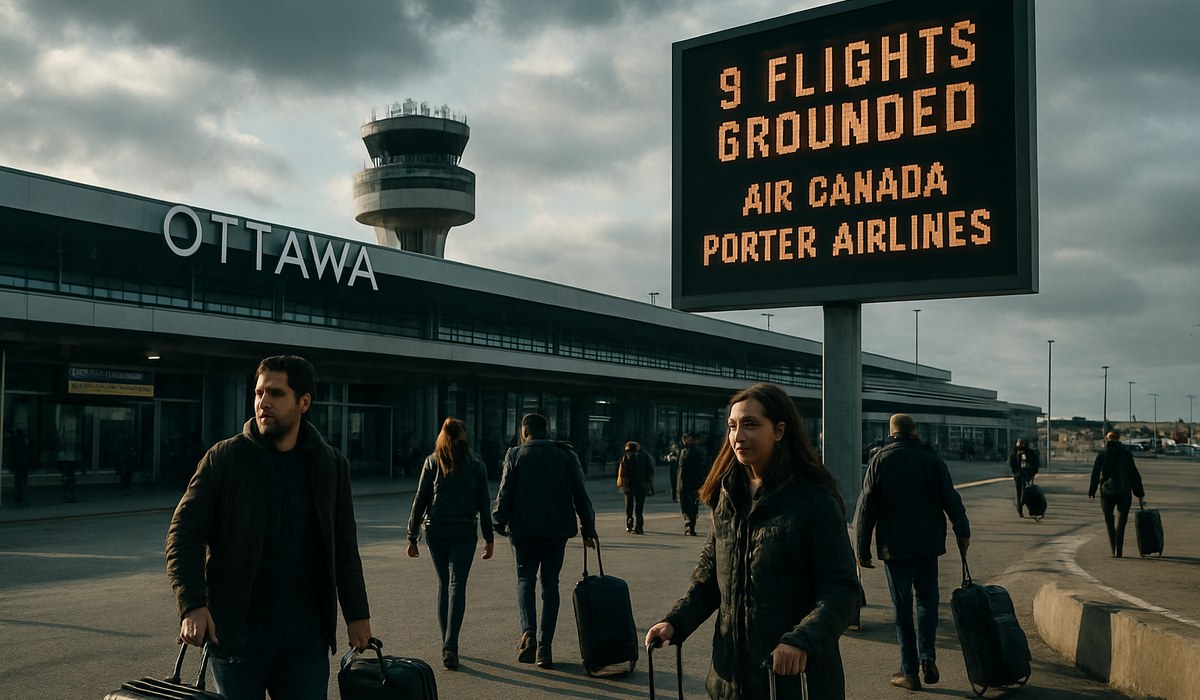
Comprehensive Summarization: The article reports significant travel disruptions at Toronto Pearson International Airport on March 29, 2026, due to 202...
Read moreDetails