










No products in the cart.
- Latest
- Trending

Malaysia Joins Indonesia, Philippines, Thailand, Nepal and Japan as Agoda Unveils Top Diving Destina...
Comprehensive Summarization:
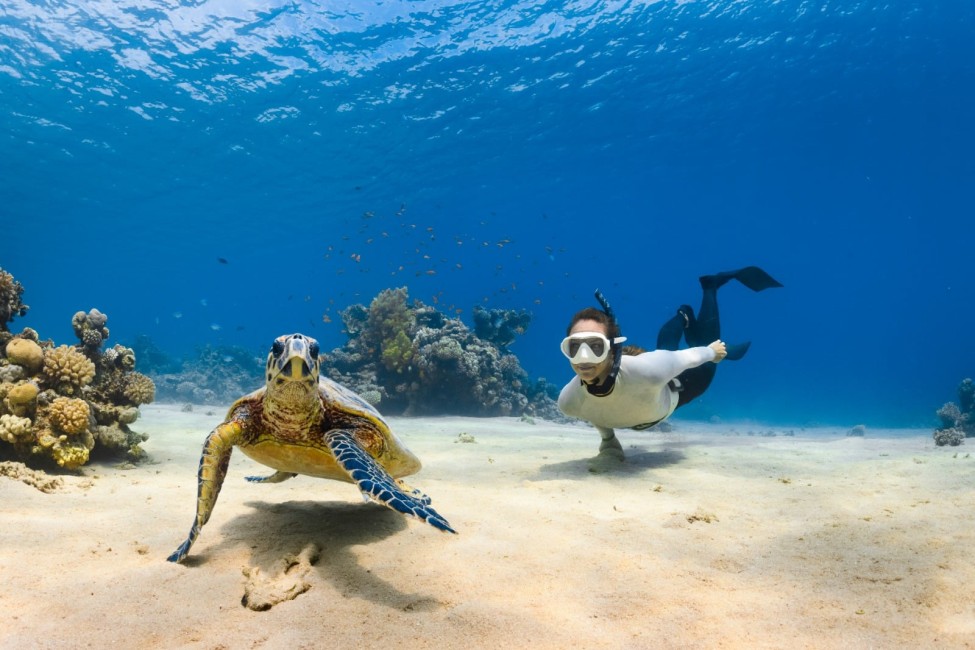
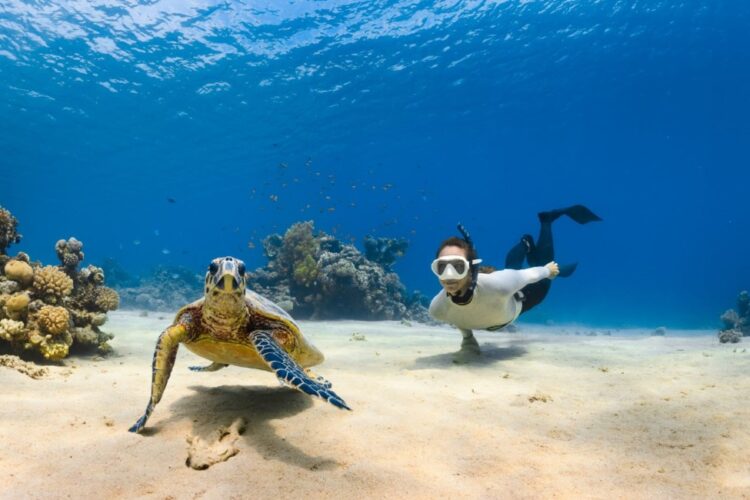
The article highlights Agoda’s recent initiative to unveil top diving destinations across Asia, emphasizing the growth in marine tourism. As adventure tourism gains momentum, travelers are increasingly incorporating scuba diving and snorkeling into their itineraries to explore Asia’s rich marine biodiversity. The Coral Triangle, known for its exceptional biodiversity, is a focal point for these diving experiences, offering both new and seasoned divers a range of underwater adventures. This trend underscores the growing importance of marine tourism in the region and reflects broader travel industry shifts towards experiential and eco-conscious travel.
Key Points:
Actionable Takeaways:
Invest in Marine Tourism Infrastructure: Travel companies and destinations should invest in enhancing marine tourism infrastructure, including dive sites maintenance, safety protocols, and eco-friendly practices. This aligns with the growing demand for underwater experiences and can attract more tourists, particularly those interested in adventure and marine biodiversity.
Leverage Technology for Enhanced Diving Experiences: Utilize technology such as virtual reality (VR) and augmented reality (AR) to offer immersive previews of diving sites. This can enhance marketing efforts and provide potential travelers with a better understanding of what to expect, thereby increasing booking confidence.
Promote Eco-Tourism Practices: Given the emphasis on Asia’s rich marine biodiversity, promoting eco-tourism practices is crucial. Travel companies should adopt sustainable practices, such as minimizing plastic use, supporting marine conservation efforts, and educating tourists about the importance of preserving marine ecosystems. This not only appeals to environmentally conscious travelers but also contributes to the long-term sustainability of these destinations.
Contextual Insights:
The article reflects current travel industry trends where adventure tourism and marine biodiversity are gaining prominence. The focus on the Coral Triangle as a biodiversity hotspot aligns with global efforts to protect marine ecosystems. The rise in demand for scuba diving and snorkeling activities indicates a shift in traveler preferences towards experiential travel, where unique and immersive experiences are prioritized. This trend is supported by thought leaders who emphasize the importance of sustainable travel practices, suggesting that travel companies should not only focus on attracting tourists but also on preserving the natural beauty that draws them. The integration of technology, such as VR and AR, further illustrates the industry’s move towards enhancing customer experiences through innovation. Overall, the article underscores the interconnectedness of travel trends, technological advancements, and sustainability efforts in shaping the future of the travel industry.
Read the Complete Article.
Get curated travel AI insights — choose the newsletters that matter to you.
This spot is reserved for brands with a compelling story for the travel trade. They use this space to cut...
Read moreDetailsALTOUR Expands into Thailand, Strengthening Corporate Travel Network Across Southeast Asia BANGKOK, THAILAND (25 March, 2026) – ALTOUR, a leading...
Read moreDetails


Comprehensive Summarization: The article highlights Agoda's recent initiative to unveil top diving destinations across Asia, emphasizing the growth in marine...
Read moreDetails