























Travel Capitalist Ventures Expands Check Size to $10 Million to Deepen Emerging Market Conviction
Boutique Travel VC raises investment cap from $1.5M to $10M to lead rounds and support portfolio companies through growth Travel...
Read moreDetails
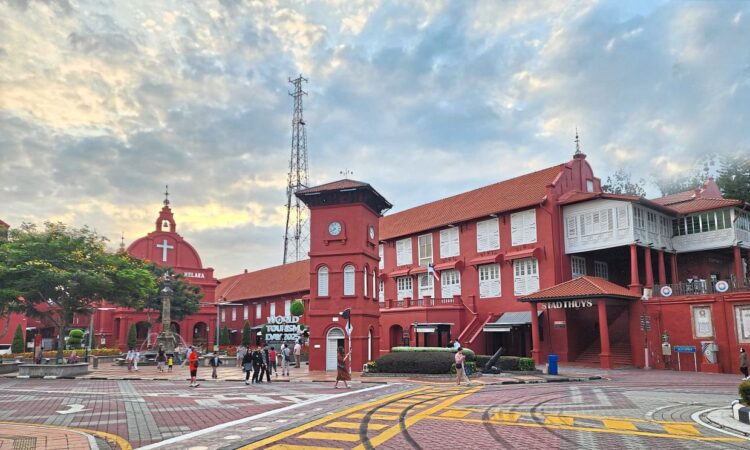
QuickCheck: Did Malaysia attract the most foreign tourists in Asean in 2025?
Comprehensive Summarization:
The article discusses the shift in South-East Asian tourism rankings, where Malaysia has overtaken Thailand as the most-visited nation in 2025. This change is highlighted in the context of Thailand’s longstanding reputation as the leading tourist destination in the region, known for its beaches, temples, and street food. The article emphasizes the shift from Malaysia being a “very good runner-up” to becoming the top tourist destination, marking a significant development in the region’s tourism landscape. The verdict section confirms this shift, stating that Malaysia has indeed led Asean’s tourism rankings for the second consecutive year.
Key Points:
Actionable Takeaways:
Malaysia’s Tourism Growth: Malaysia’s rise to the top spot in Asean’s tourism rankings indicates a strong growth trend in the country’s tourism sector. This could be attributed to improved infrastructure, enhanced visitor experiences, and effective marketing strategies. For travel industry stakeholders, this presents an opportunity to analyze what strategies Malaysia has employed successfully and consider adopting similar approaches to boost their own tourism offerings.
Focus on Visitor Experience: The article highlights Malaysia’s success in attracting visitors through its beaches, street food, and fewer diplomatic crises. This underscores the importance of focusing on visitor experience in the travel industry. Stakeholders should prioritize enhancing visitor satisfaction by improving service quality, offering unique cultural experiences, and ensuring safety and security, which are critical factors influencing travel choices.
Contextual Insights:
The shift in tourism rankings reflects broader trends in the travel industry, such as the increasing importance of visitor experience and the role of regional stability in tourism attractiveness. The article’s context is set within the broader narrative of South-East Asian tourism, where countries are vying for the top spot in global rankings. This shift is likely influenced by various factors, including improved infrastructure, effective marketing campaigns, and the overall stability of the region. For the travel industry, this highlights the need for continuous innovation and improvement in service offerings to maintain competitiveness. Additionally, the rise of Malaysia could signal a shift in regional tourism dynamics, prompting other countries in the region to reassess their strategies and offerings to remain competitive in the global market.
Read the Complete Article.
Boutique Travel VC raises investment cap from $1.5M to $10M to lead rounds and support portfolio companies through growth Travel...
Read moreDetails



Comprehensive Summarization: The article discusses the shift in South-East Asian tourism rankings, where Malaysia has overtaken Thailand as the most-visited...
Read moreDetails
