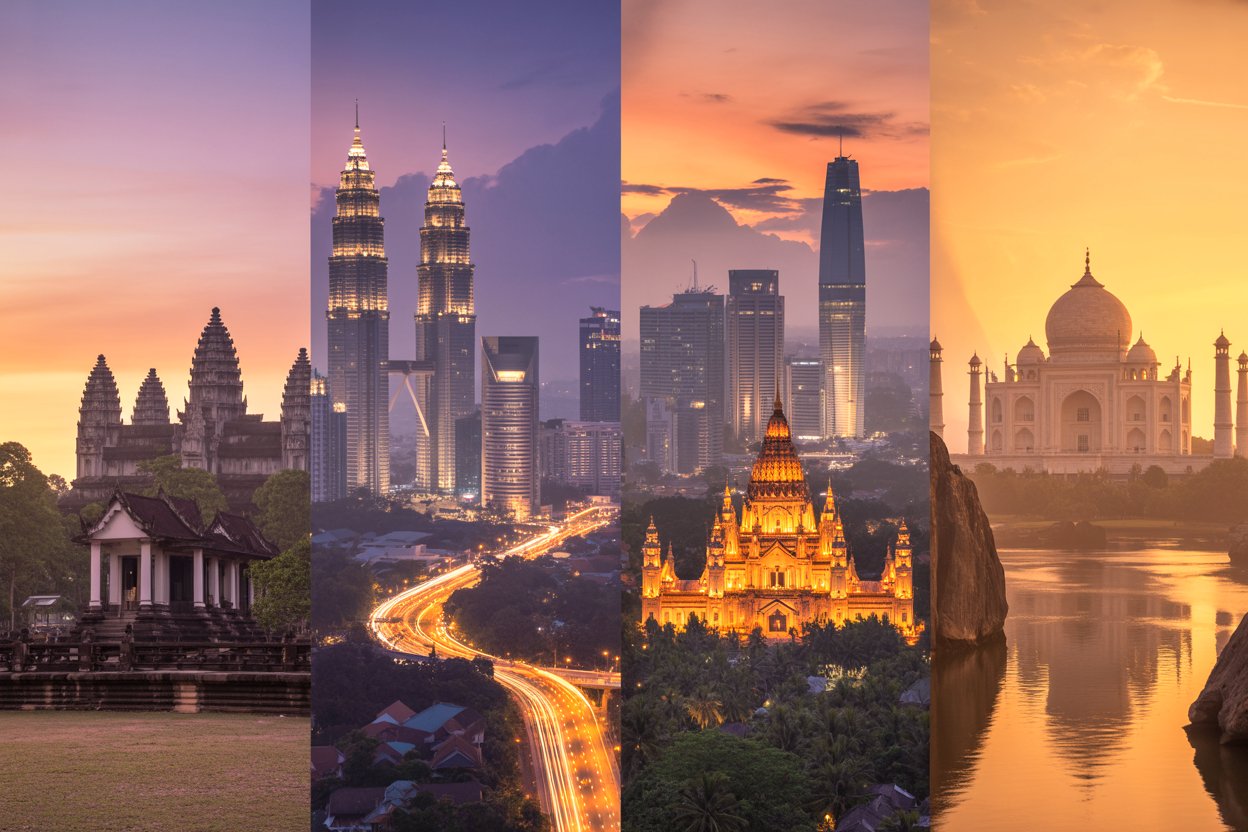

























Travel Capitalist Ventures Expands Check Size to $10 Million to Deepen Emerging Market Conviction
Boutique Travel VC raises investment cap from $1.5M to $10M to lead rounds and support portfolio companies through growth Travel...
Read moreDetails
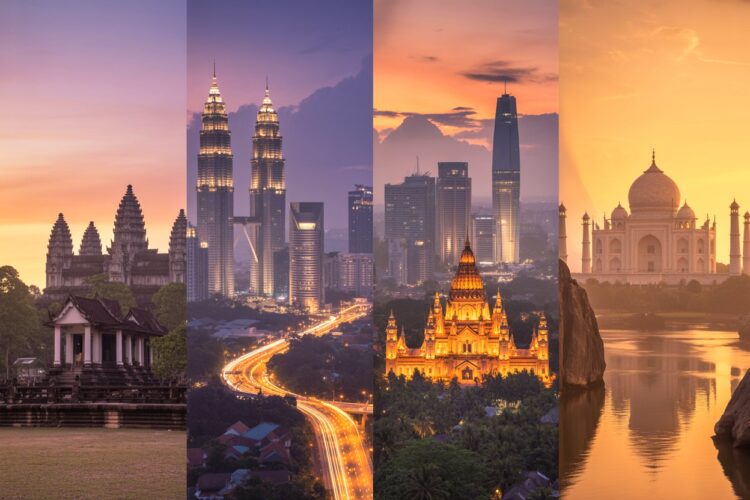
Malaysia Joins Japan, Thailand, Indonesia, Singapore, India, and Others in Introducing New Tourism T...
Article Summary:
Malaysia has joined a growing list of Asian countries, including Japan, Thailand, Indonesia, Singapore, and India, in introducing new tourism taxes starting in 2025. These taxes aim to enhance infrastructure, preserve cultural heritage, and promote sustainable travel practices across the region. The Malaysian initiative specifically includes a digital room tax, showcasing a trend towards tech-driven tourism solutions. This move aligns with broader efforts to balance economic growth in the tourism sector with environmental and cultural preservation goals.
Key Points:
Actionable Takeaways:
Contextual Insights:
The introduction of new tourism taxes across Asia reflects a broader trend towards integrating technology and sustainability into the travel industry. As countries seek to balance economic growth with environmental and cultural preservation, innovative solutions like digital room taxes are becoming increasingly important. This trend is supported by thought leaders who emphasize the need for tech-driven approaches to address the challenges of modern tourism. By adopting these technologies, travel businesses can not only comply with new regulatory requirements but also enhance their brand reputation as responsible and forward-thinking operators. The focus on cultural preservation and sustainable practices is likely to shape future travel trends, making it essential for industry stakeholders to stay informed and adaptable.
Read the Complete Article.
Boutique Travel VC raises investment cap from $1.5M to $10M to lead rounds and support portfolio companies through growth Travel...
Read moreDetails




