

















Travel Capitalist Ventures Expands Check Size to $10 Million to Deepen Emerging Market Conviction
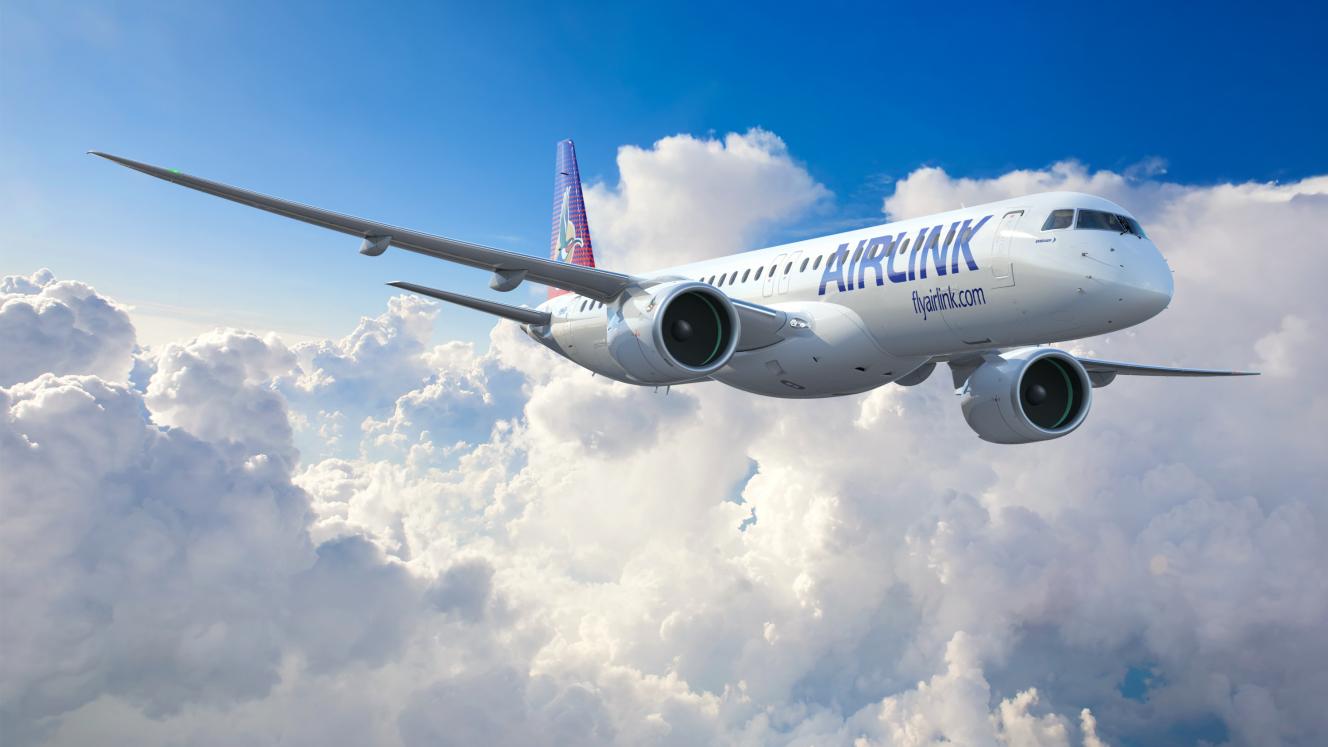
Boutique Travel VC raises investment cap from $1.5M to $10M to lead rounds and support portfolio companies through growth Travel...
Read moreDetails
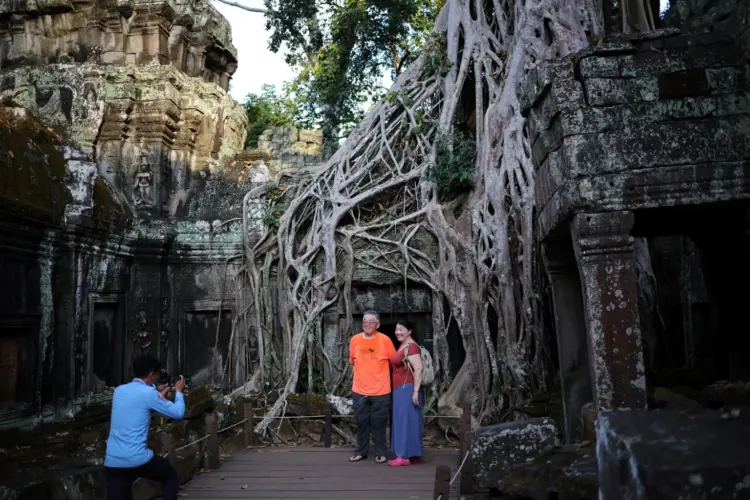
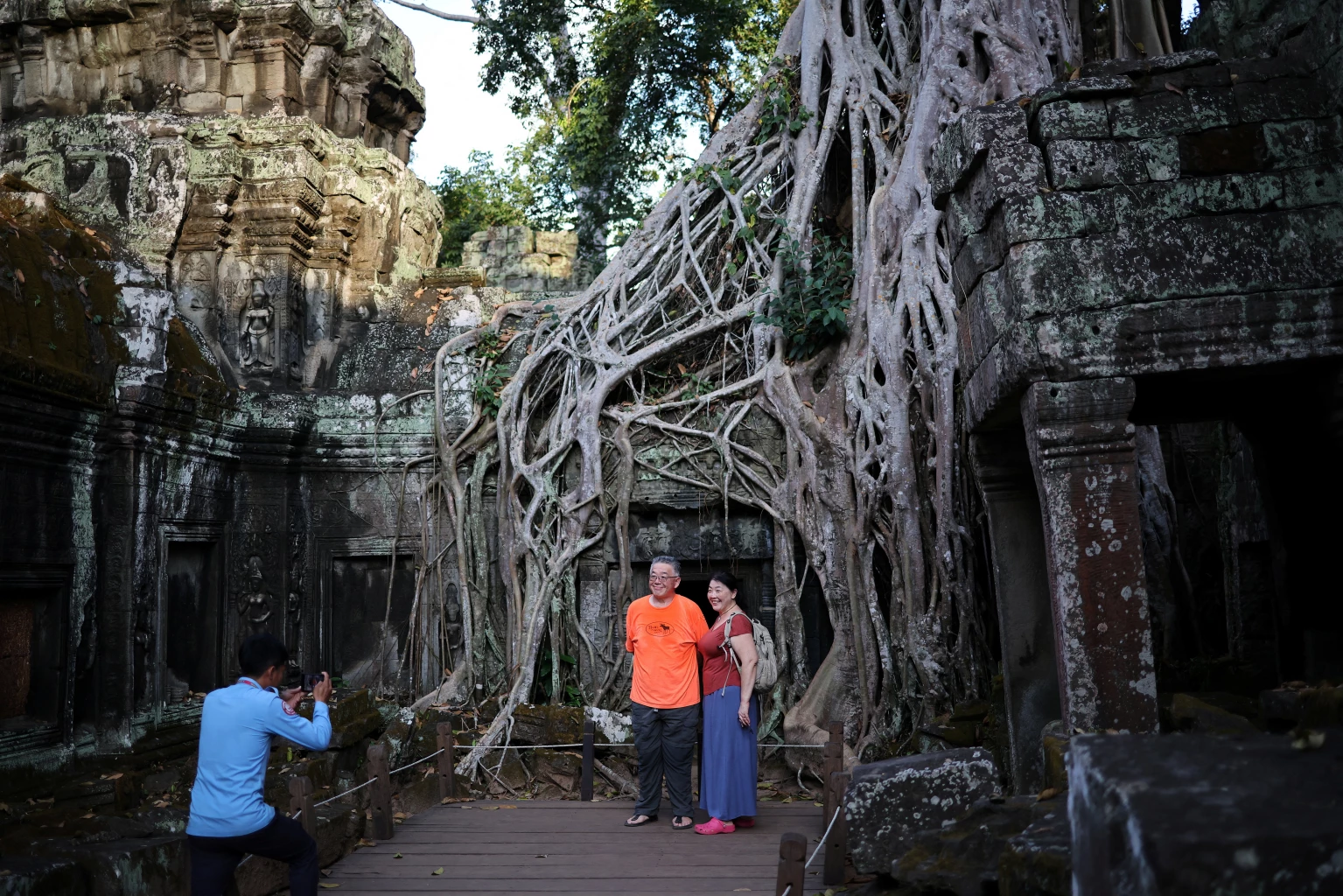
Malaysian travellers favour Thailand for year-end holiday
Article Summary:
Mohd Nazri Othman and Heliza Karim, both planning to travel to Bangkok and Krabi respectively, express confidence in their travel plans despite escalating tensions along the Thai-Cambodian border. The article highlights the continued optimism of travelers amidst geopolitical instability, emphasizing the resilience of the travel industry.
Key Points:
Actionable Takeaways:
Contextual Insights:
The article reflects the current state of the travel industry, where geopolitical events can impact travel plans but do not necessarily deter travelers from pursuing their trips. This context is crucial for understanding the dynamics of the travel market, especially in regions with ongoing conflicts. The resilience shown by travelers like Othman and Karim suggests that while external factors can cause temporary disruptions, the fundamental demand for travel remains strong. For travel startups and fintech companies, this presents an opportunity to innovate in areas such as travel insurance, risk management tools, and payment solutions tailored for travelers in high-risk regions. By leveraging these insights, industry stakeholders can better navigate the complexities of the travel market and capitalize on emerging opportunities.
Read the Complete Article.
Boutique Travel VC raises investment cap from $1.5M to $10M to lead rounds and support portfolio companies through growth Travel...
Read moreDetails




