Comprehensive Summarization:
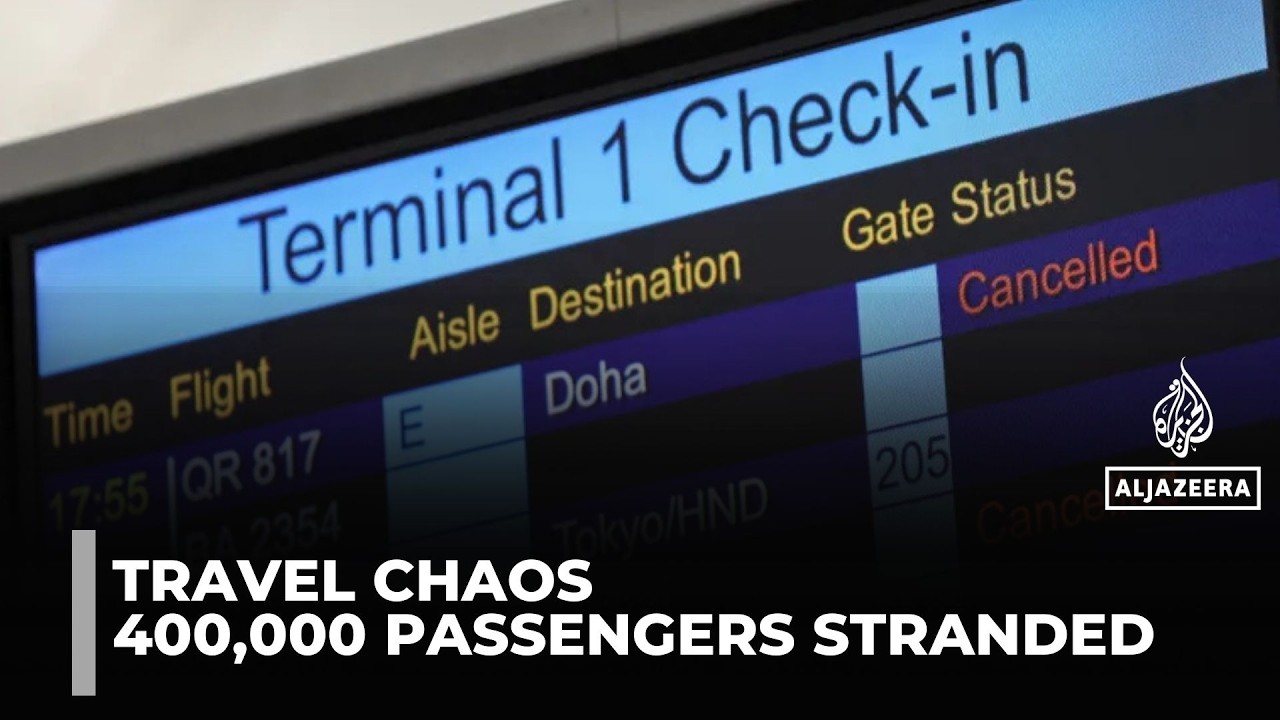
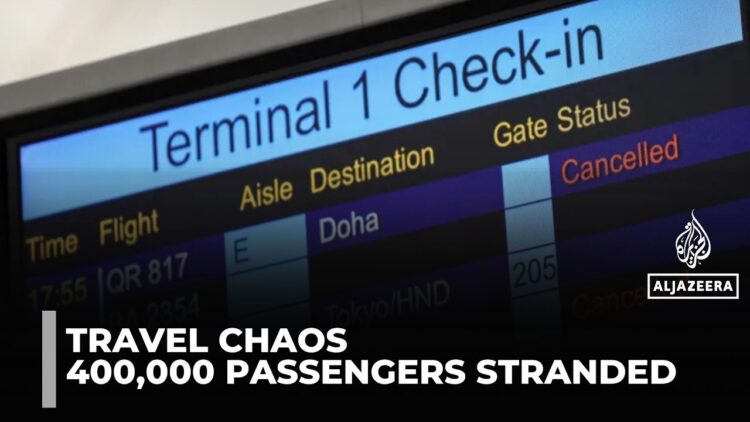
The article discusses the significant disruption caused by the conflict in the Middle East to international flights, particularly affecting travelers in Thailand. Over 400 flights have been stranded, and globally, around 20,000 flights have been canceled, impacting 400,000 passengers. The article highlights the challenges faced by travelers like Sam and Mark, who are experiencing prolonged delays due to poor communication and lack of contingency planning from airlines. This situation not only affects individual travelers but also threatens future tourism in the region, underscoring the need for improved crisis management and communication strategies in the travel industry.
Key Points:
- The conflict in the Middle East has led to a backlog of over 400 stranded flights in Thailand, impacting 400,000 passengers globally.
- Poor airline communication and route disruptions may take weeks to resolve, threatening future tourism.
- The article highlights the challenges faced by travelers, such as Sam and Mark, who are stranded due to canceled flights and lack of clear communication from airlines.
- The situation emphasizes the need for better contingency planning and communication strategies within the travel industry to mitigate the impact of such disruptions.
Actionable Takeaways:
-
Implement Enhanced Communication Protocols: Airlines should improve their communication strategies to keep passengers informed about flight status changes promptly. This can help manage traveler expectations and reduce frustration, as seen in the case of Sam and Mark.
-
Develop Robust Contingency Plans: Travel companies should invest in contingency planning to swiftly manage disruptions caused by conflicts or other crises. This includes having alternative flight options, clear rebooking procedures, and transparent communication channels to minimize prolonged disruptions.
-
Leverage Technology for Real-Time Updates: Utilize travel tech solutions that provide real-time updates on flight statuses and disruptions. This can help both airlines and travelers stay informed and make informed decisions, reducing the impact of flight cancellations on travel plans.
Contextual Insights:
The article reflects the current challenges faced by the travel industry due to geopolitical conflicts, which can lead to widespread flight disruptions. This situation is a stark reminder of the vulnerabilities in global travel networks and the importance of robust crisis management strategies. The emphasis on poor airline communication and lack of contingency planning highlights a broader trend of travel companies needing to adapt to rapidly changing circumstances. Looking forward, the integration of advanced travel tech solutions and improved communication strategies will be crucial in mitigating the impact of such disruptions. This aligns with the latest travel trends, where technology plays a pivotal role in enhancing the travel experience and ensuring resilience against unforeseen challenges.
Read the Complete Article.