


No products in the cart.
- Latest
- Trending

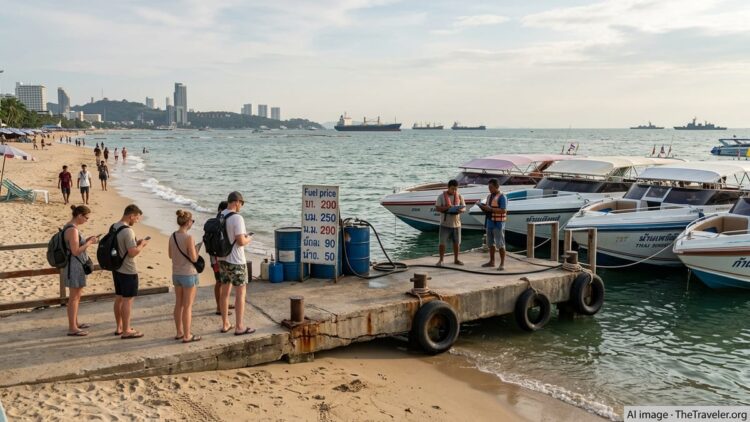
Fuel Costs Put Pressure on Pattaya and Sattahip Tourism
Comprehensive Summarization:
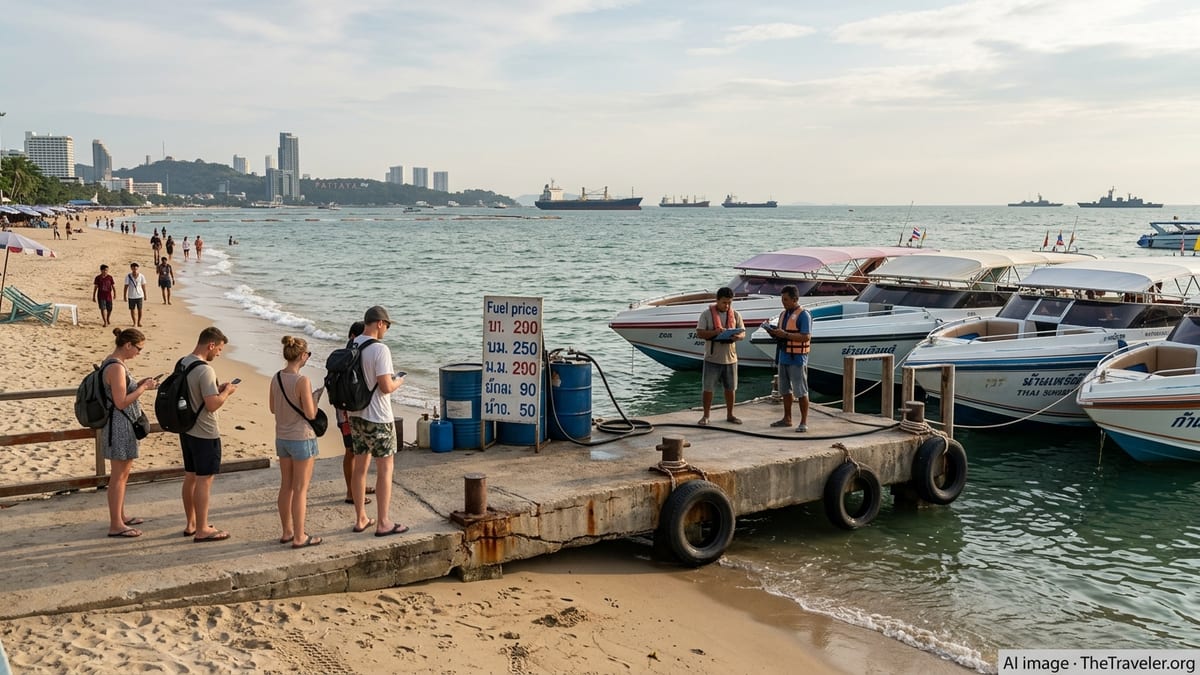
The article discusses the impact of soaring fuel prices and global oil market uncertainty on Pattaya and Sattahip, two key coastal gateways in Thailand’s Eastern Seaboard. These factors are challenging operators that rely on marine transport and raising concerns about higher costs for visitors in the coming months. The article highlights the ripple effect of international oil price spikes, linked to conflict in the Middle East and concerns over shipping routes, filtering into Thailand’s domestic fuel market. This situation is particularly significant for an economy heavily dependent on imported fuel, potentially leading to increased operational costs for tourism-related businesses in these coastal areas.
Key Points:
Actionable Takeaways:
Cost Management for Tourism Operators: Tourism operators in Pattaya and Sattahip should closely monitor fuel price trends and explore cost-saving measures, such as optimizing fuel consumption, diversifying transport options, or negotiating better fuel contracts with suppliers. This is crucial as rising fuel costs could directly impact their operational expenses and, consequently, visitor costs.
Diversification of Transportation Options: Given the potential for increased fuel costs, operators might consider diversifying their transportation options. This could include investing in more fuel-efficient vehicles, exploring alternative modes of transport (e.g., electric boats or ferries), or partnering with local transport providers to negotiate better rates. Such diversification could mitigate the impact of rising fuel costs on their services and visitor experience.
Enhanced Communication with Visitors: Operators should proactively communicate with visitors about potential cost increases due to fuel price fluctuations. Transparent communication can help manage visitor expectations, potentially reducing dissatisfaction and negative reviews. Offering flexible booking options or discounts for early bookings could also be a strategic move to retain customers amid rising operational costs.
Contextual Insights:
The article’s context is deeply rooted in the current global oil market dynamics, particularly the impact of geopolitical tensions in the Middle East and broader concerns over shipping routes. These factors are directly influencing Thailand’s domestic fuel market, which is a critical component of the country’s economy. Thailand’s tourism sector, especially in coastal areas like Pattaya and Sattahip, is highly vulnerable to such market fluctuations due to its reliance on imported fuel. The article underscores the need for the travel industry to adapt to these changing conditions swiftly.
In terms of forward-looking perspectives, the article hints at the broader implications of oil market volatility on the travel industry. As fuel prices continue to fluctuate, we can expect increased pressure on tourism operators to innovate and adapt. This could lead to a rise in the adoption of fuel-efficient technologies, alternative energy sources, and more sustainable travel practices. Additionally, the article suggests that operators may need to invest in advanced analytics and market intelligence tools to better predict and respond to fuel price trends, thereby gaining a competitive edge in the market.
Handling Different Article Types:
The article in question is a news brief, providing factual information about the impact of global oil market conditions on Thailand’s coastal tourism sector. News briefs typically focus on delivering concise, factual information without delving into opinion or analysis. Therefore, the structured output format provided above is most suitable for summarizing this type of article. It ensures that the key points and actionable takeaways are clearly articulated, allowing readers to quickly grasp the main implications of the article for the travel industry.
Read the Complete Article.
Get curated travel AI insights — choose the newsletters that matter to you.
ALTOUR Expands into Thailand, Strengthening Corporate Travel Network Across Southeast Asia BANGKOK, THAILAND (25 March, 2026) – ALTOUR, a leading...
Read moreDetails


Comprehensive Summarization: The article discusses the impact of soaring fuel prices and global oil market uncertainty on Pattaya and Sattahip,...
Read moreDetails