







No products in the cart.
- Latest
- Trending

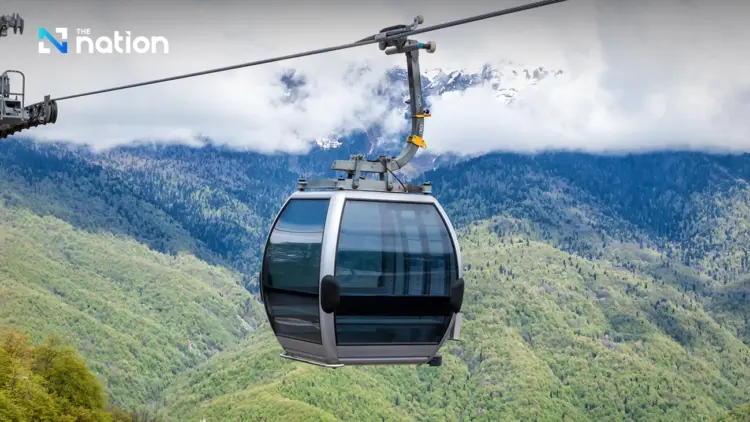
Phu Kradueng cable car targets first pillar in Dec 2026 as EIA advances
Comprehensive Summarization:
The article discusses a new cable car project aimed at enhancing tourism in a region, with an initial comparison suggesting fares of around 800 baht per trip. However, officials emphasize that the primary goal is to set a suitable return fare as a public service, with the aim of distributing income to communities, including restaurants, accommodation providers, and other tourism services. Atthapol Charoenchansa, Director-General of the Department of National Parks, Wildlife and Plant Conservation, reassures that the cable car’s impact on forest areas will be limited, confined to pillar foundation zones, and that there will be no deforestation. The project is positioned as a public service initiative rather than a profit-driven venture.
Key Points:
Actionable Takeaways:
Public Service Focus: The cable car project’s emphasis on serving the community rather than generating profit could set a precedent for future tourism projects, potentially encouraging more community-focused tourism initiatives. This approach could enhance local economies and foster goodwill among residents.
Environmental Considerations: The project’s commitment to limiting its impact on forest areas, with no deforestation expected, highlights a growing trend in the travel industry towards sustainable and environmentally responsible practices. Travel companies and startups focusing on eco-friendly tourism may find this project a model for integrating sustainability into their operations.
Contextual Insights:
The cable car project reflects a broader trend in the travel industry towards balancing economic benefits with environmental stewardship. As travel becomes increasingly accessible, there is a growing need for projects that ensure tourism development does not come at the expense of natural resources. This initiative aligns with current industry trends emphasizing sustainability and community engagement. Furthermore, the project’s innovative approach to fare distribution could inspire similar models in other sectors of the travel industry, such as fintech solutions that facilitate community-based tourism revenue sharing. This could lead to new opportunities for travel startups and fintech companies to develop platforms that support sustainable tourism models, thereby driving innovation in the sector.
Read the Complete Article.
Get curated travel AI insights — choose the newsletters that matter to you.
ALTOUR Expands into Thailand, Strengthening Corporate Travel Network Across Southeast Asia BANGKOK, THAILAND (25 March, 2026) – ALTOUR, a leading...
Read moreDetails


Comprehensive Summarization: Wizz Air is intensifying its digital transformation to become a "deeply digital" ultra-low-cost carrier. The airline is developing...
Read moreDetails