




No products in the cart.
- Latest
- Trending

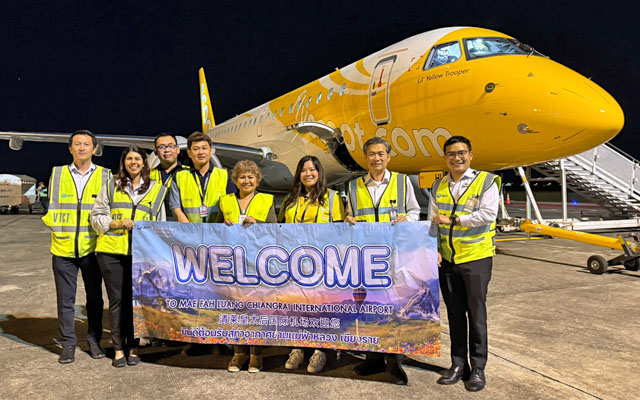
The first Singapore-Chiang Rai flight arrived on January 1, 2026, strengthening air links to northern Thailand
Article Summary:
The Tourism Authority of Thailand (TAT) and Scoot have launched a new direct air service from Singapore to Chiang Rai, Thailand, on January 1, 2026. This service aims to boost inbound visitor growth to northern Thailand by expanding international air access beyond established gateways. The inaugural flight, TR670, arrived at Mae Fah Luang International Airport on New Year’s Day, marking a significant development in positioning northern Thailand as a destination for cultural and nature-based travel.
Key Points:
Actionable Takeaways:
Contextual Insights:
The launch of this new air service aligns with broader travel industry trends focusing on expanding international access to lesser-known destinations. As tourism authorities seek to diversify visitor demographics and reduce reliance on established gateways, such initiatives are becoming increasingly common. The integration of technology in travel, such as streamlined booking processes and digital check-ins, further supports this trend by enhancing the overall travel experience. Thought leaders in the travel sector emphasize the importance of leveraging such innovations to meet the evolving demands of modern travelers, who prioritize convenience, accessibility, and unique travel experiences. This article reflects a forward-looking perspective on how strategic partnerships and technological advancements can drive growth in niche tourism markets.
Read the Complete Article.
Get curated travel AI insights — choose the newsletters that matter to you.
ALTOUR Expands into Thailand, Strengthening Corporate Travel Network Across Southeast Asia BANGKOK, THAILAND (25 March, 2026) – ALTOUR, a leading...
Read moreDetails


Comprehensive Summarization: Alaska's tourism sector is actively targeting Indian travelers to boost growth in the region's tourism industry. Recognizing India’s...
Read moreDetails