






No products in the cart.
- Latest
- Trending


Comprehensive Summarization:
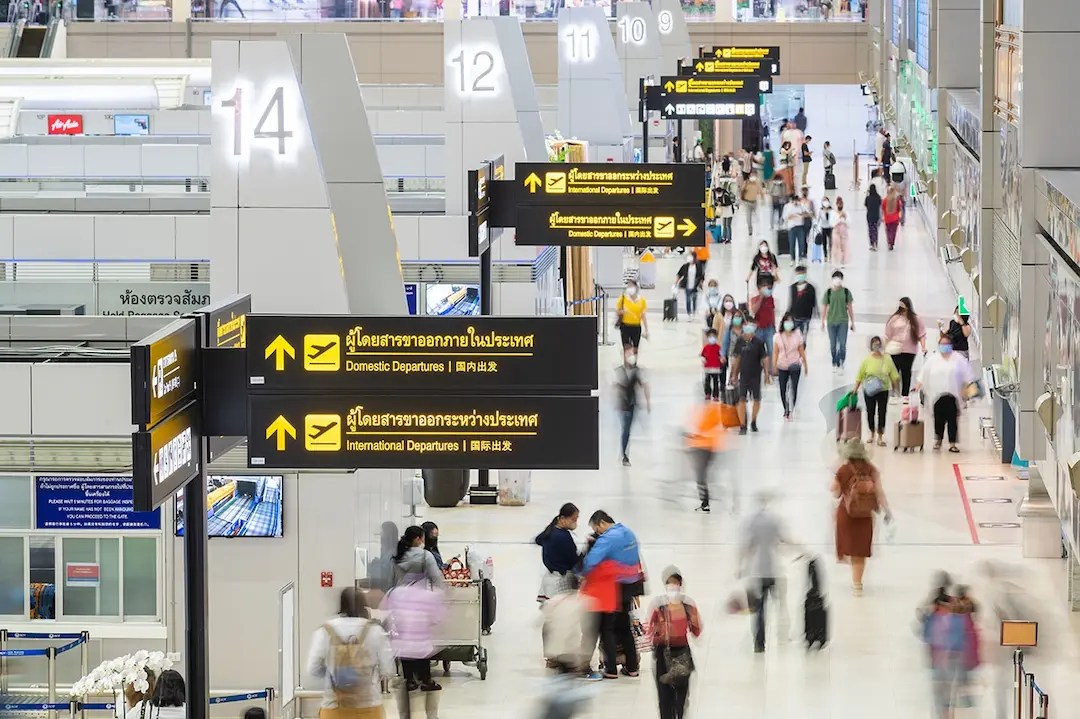
The Songkran 2026 celebration in Thailand is facing significant challenges due to the global energy crisis, which is causing a decline in tourist arrivals and travel demand. Traditionally a peak festive season marked by mass travel and vibrant water festivities, this year’s Songkran holiday is unfolding against a backdrop of surging oil prices and geopolitical tensions. This has raised concerns across the tourism sector, particularly concerning Malaysian tourists who typically flock to Thailand’s southern provinces during the festival but are showing weaker demand this year. Hotels have reported significantly lower reservations for the Songkran period of April 10 to 13, indicating a potential downturn in tourist activity.
Key Points:
Actionable Takeaways:
Diversify Tourism Marketing Strategies: Given the decline in demand from Malaysian tourists, Thailand should diversify its marketing strategies to attract tourists from other regions. This could involve targeted campaigns highlighting unique aspects of Thailand that appeal to a broader audience.
Enhance Digital Booking Platforms: With lower reservations, there is an opportunity for hotels and travel agencies to enhance their digital booking platforms. Implementing user-friendly interfaces, competitive pricing, and flexible cancellation policies could attract more travelers and mitigate the impact of the energy crisis on tourism.
Invest in Sustainable Tourism Initiatives: The global energy crisis underscores the importance of sustainable tourism. Thailand could invest in eco-friendly practices and technologies to attract environmentally conscious travelers. This not only addresses the current crisis but also positions Thailand as a leader in sustainable tourism, potentially attracting a new wave of eco-tourists.
Contextual Understanding:
The article reflects the current state of the travel industry amidst global economic challenges. The energy crisis and geopolitical tensions are significant factors affecting tourist behavior and travel demand. This context is crucial for understanding the urgency of the situation and the need for immediate action. The decline in Malaysian tourist demand highlights the vulnerability of Thailand’s tourism sector to external economic factors. By leveraging the latest travel trends and insights, such as the growing importance of digital platforms and sustainable tourism, Thailand can adapt its strategies to mitigate the impact of these challenges.
Handling Different Article Types:
The article is a news brief providing factual information about the challenges faced by the Songkran 2026 celebration in Thailand. The analysis focuses on extracting key points and actionable insights based on the provided facts and context. No opinion pieces or feature articles are present in the content, ensuring that the analysis remains strictly factual and relevant to the travel industry.
Read the Complete Article.
Get curated travel AI insights — choose the newsletters that matter to you.
ALTOUR Expands into Thailand, Strengthening Corporate Travel Network Across Southeast Asia BANGKOK, THAILAND (25 March, 2026) – ALTOUR, a leading...
Read moreDetails

Singapore — April 14, 2026 In short: Kirk Westaway and Stefan Heilemann collaborate on a one-day dining event at JAAN...
Read moreDetails