



















Travel Capitalist Ventures Expands Check Size to $10 Million to Deepen Emerging Market Conviction
Boutique Travel VC raises investment cap from $1.5M to $10M to lead rounds and support portfolio companies through growth Travel...
Read moreDetails

Comprehensive Summarization:
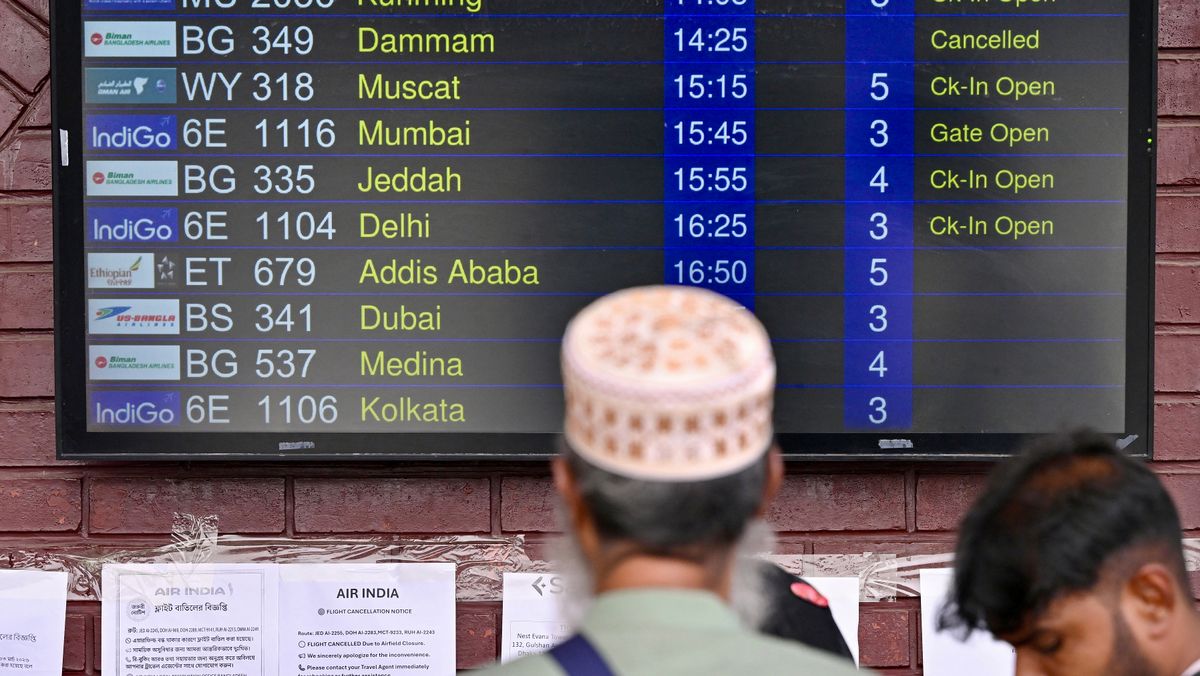
South Korea has joined a coalition of countries, including China, Russia, Singapore, Japan, the UK, Thailand, and others, in an urgent push to organize rescue missions and provide safe passage for stranded travelers and ships across the UAE, Bahrain, and Qatar. This collaborative effort aims to address the growing challenges in maritime rescue operations and ensure the safety of those affected. The article also touches on the latest travel trends and insights from industry thought leaders, highlighting the evolving landscape of travel and tourism.
Key Points:
Actionable Takeaways:
Enhanced International Cooperation: Countries should continue to collaborate on maritime rescue missions to ensure the safety of travelers and ships. This cooperation can lead to standardized protocols and shared resources, improving overall efficiency and effectiveness.
Investment in Maritime Technology: The use of advanced technologies in rescue operations underscores the importance of investing in maritime tech. Startups and established companies in the travel and tech sectors should explore innovations that can enhance rescue capabilities, such as AI-driven navigation systems and real-time communication tools.
Focus on Safety in Travel Planning: Travelers and tour operators should prioritize safety in their planning processes, opting for services that offer secure passage and emergency support. This shift can drive demand for travel services that emphasize safety and reliability.
Contextual Insights:
The article reflects the current emphasis on safety and collaboration within the travel industry, particularly in maritime contexts. Recent events, such as the COVID-19 pandemic and geopolitical tensions, have heightened the need for robust safety measures and international cooperation. The integration of technology in rescue operations aligns with broader industry trends towards digitalization and innovation. Thought leaders highlight the importance of these developments, suggesting that they will shape the future of travel by setting new standards for safety and efficiency. As the industry evolves, stakeholders must remain agile, adapting to emerging challenges and leveraging technological advancements to enhance travel experiences.
Read the Complete Article.
Boutique Travel VC raises investment cap from $1.5M to $10M to lead rounds and support portfolio companies through growth Travel...
Read moreDetails


Comprehensive Summarization: South Korea has joined a coalition of countries, including China, Russia, Singapore, Japan, the UK, Thailand, and others,...
Read moreDetails
