







No products in the cart.
- Latest
- Trending

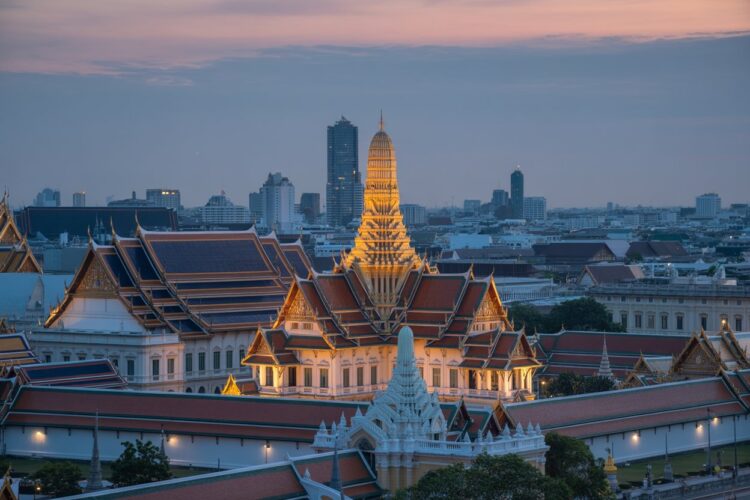
South Korea Joins Singapore, Malaysia, China, Russia, India, and Others in Boosting Tourism Growth A...
Article Summary:
South Korea has joined a list of countries including Singapore, Malaysia, China, Russia, and India in contributing to the growth of tourism in Thailand. As the second-largest economy in Southeast Asia, Thailand is setting ambitious tourism goals for 2026. The surge in tourist arrivals from South Korea and other key markets is indicative of Thailand’s resurgence in the tourism sector.
Key Points:
Actionable Takeaways:
Contextual Insights:
The article reflects the current trends in the Southeast Asian tourism industry, where countries are increasingly collaborating to boost tourism. The surge in tourist arrivals from South Korea highlights the importance of regional cooperation and the growing appeal of Southeast Asia as a tourist destination. This aligns with broader industry trends that emphasize the importance of digital transformation, sustainable tourism practices, and personalized travel experiences. As Thailand aims to become a leading tourism destination by 2026, it sets a benchmark for other countries in the region to follow, potentially driving further growth and innovation in the travel sector.
Read the Complete Article.
Get curated travel AI insights — choose the newsletters that matter to you.
ALTOUR Expands into Thailand, Strengthening Corporate Travel Network Across Southeast Asia BANGKOK, THAILAND (25 March, 2026) – ALTOUR, a leading...
Read moreDetails


Busan, South Korea — August 14, 2023 In short: Airalo and Busan Metropolitan City collaborate to provide 100,000 free eSIM...
Read moreDetails