









No products in the cart.
- Latest
- Trending

Thailand Joins Vietnam, Indonesia: Southeast Asia Airlines Face Fuel Crisis
Comprehensive Summarization:
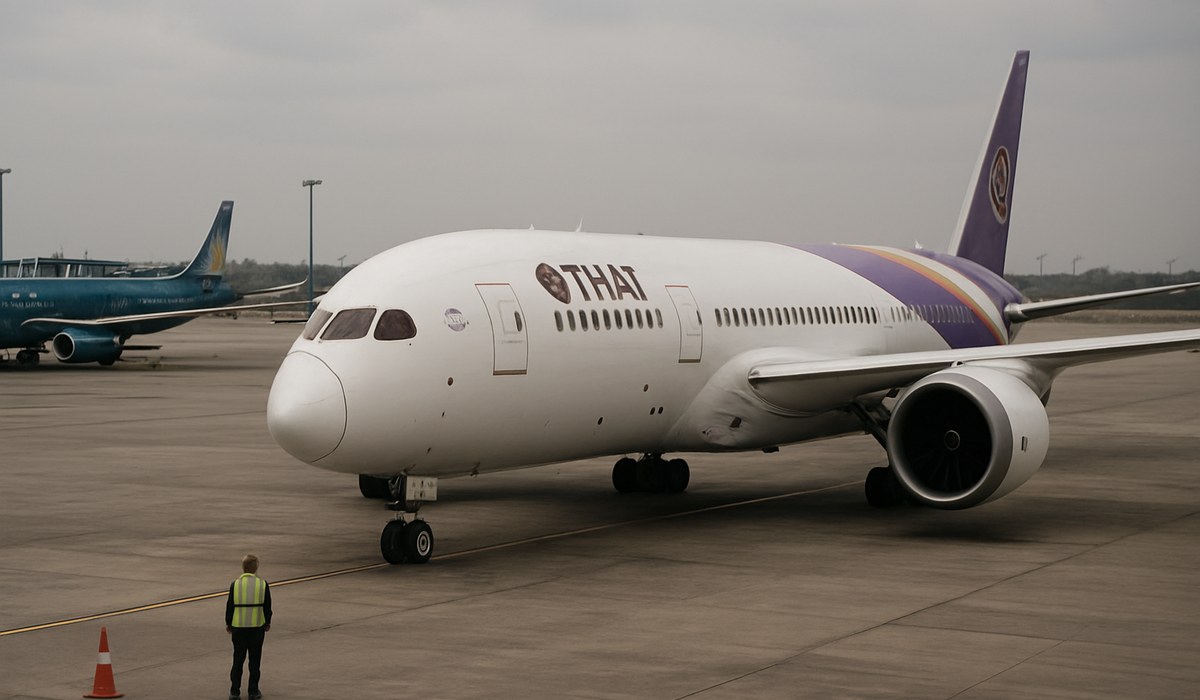
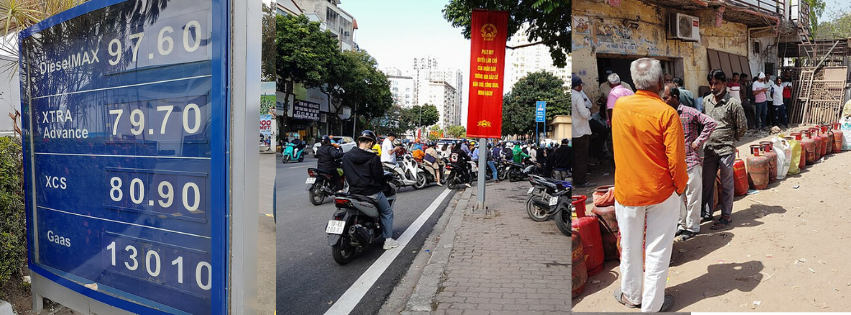
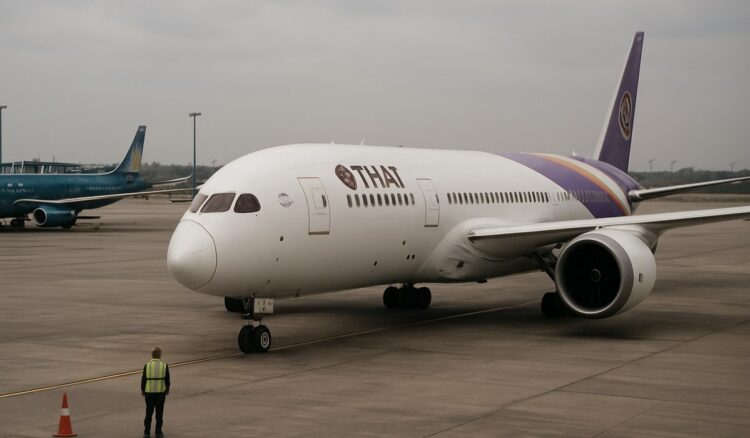
The article highlights a significant aviation crisis in Southeast Asia’s tourism sector, triggered by escalating fuel prices leading to widespread flight disruptions. Bangkok, Ho Chi Minh City, and Jakarta are experiencing their most severe aviation challenges in years, with regional carriers facing unprecedented fuel surcharges. Thailand, Vietnam, and Indonesia, key pillars of the region’s $15 billion tourism economy, are witnessing cascading flight cancellations and route suspensions throughout March 2026. Major airlines such as Thai Airways International (THAI), Vietnam Airlines (HVN), and Garuda Indonesia (GA) have issued emergency notices regarding flight availability and pricing volatility. The crisis is forcing airlines to pass these catastrophic costs onto already price-sensitive travelers, underscoring the vulnerability of the tourism sector to fuel price fluctuations.
Key Points:
Actionable Takeaways:
Mitigate Fuel Price Risks: Airlines and travel agencies should explore hedging strategies for fuel costs to mitigate the impact of price volatility on their operations and pricing models. This proactive approach can help stabilize costs and maintain competitive pricing for travelers.
Diversify Routes and Destinations: Travel providers should consider diversifying their route networks and destination offerings to reduce dependency on affected regions. By expanding into less affected markets or developing new routes, airlines can mitigate the impact of flight disruptions and maintain customer engagement.
Enhance Customer Communication: Airlines should improve communication with travelers regarding flight disruptions and pricing changes. Transparent and timely updates can help manage customer expectations, reduce frustration, and maintain trust in the brand.
Contextual Insights:
The article reflects the current vulnerability of the travel industry to external economic factors, such as fuel price fluctuations, which can have cascading effects on airline operations and customer experience. This situation underscores the importance of strategic risk management in the travel sector, particularly for regions heavily reliant on tourism. The crisis also highlights the need for innovation in travel tech solutions to improve operational efficiency and customer communication. As the industry navigates these challenges, there is an opportunity for startups and fintech solutions to develop tools that help airlines manage fuel costs more effectively and provide travelers with more transparent pricing information. This context suggests a forward-looking perspective on the resilience and adaptability required in the travel industry to overcome such disruptions.
Read the Complete Article.
Get curated travel AI insights — choose the newsletters that matter to you.
ALTOUR Expands into Thailand, Strengthening Corporate Travel Network Across Southeast Asia BANGKOK, THAILAND (25 March, 2026) – ALTOUR, a leading...
Read moreDetails


Comprehensive Summarization: The article highlights a significant aviation crisis in Southeast Asia's tourism sector, triggered by escalating fuel prices leading...
Read moreDetails