



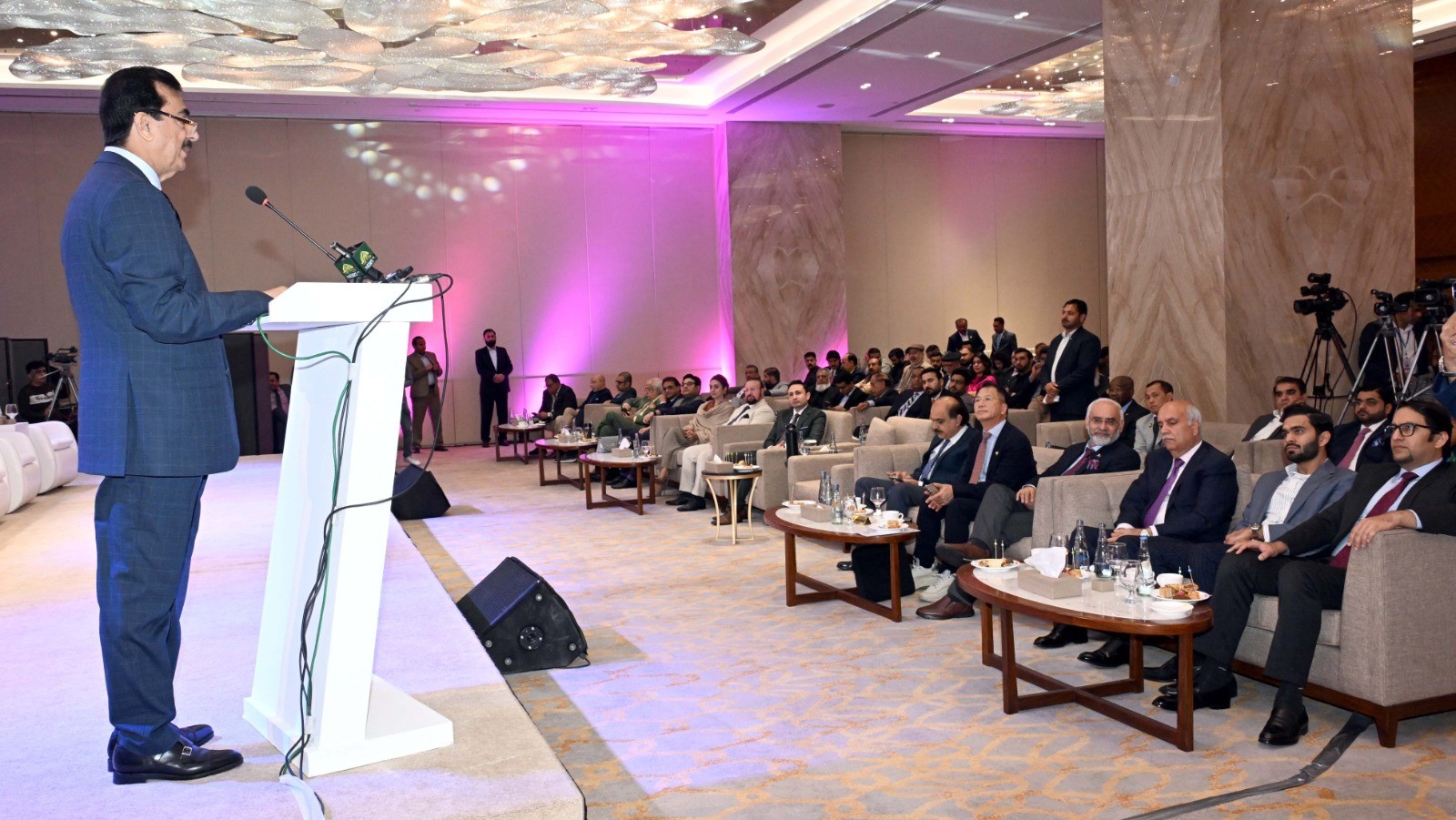



















Travel Capitalist Ventures Expands Check Size to $10 Million to Deepen Emerging Market Conviction
Boutique Travel VC raises investment cap from $1.5M to $10M to lead rounds and support portfolio companies through growth Travel...
Read moreDetails

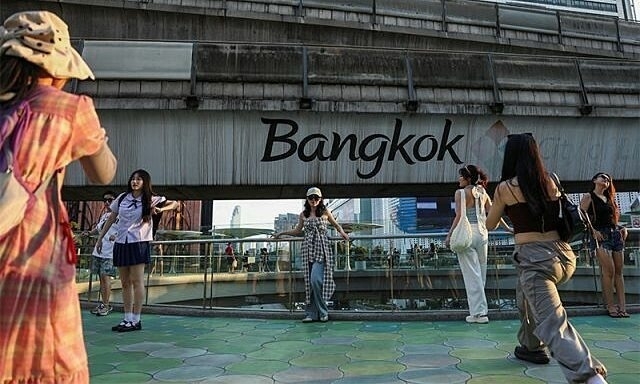
Southeast Asia's 2nd largest economy eyes 34.9 million visitors next year
Article Summary:
Thailand, the second-largest economy in Southeast Asia, anticipates receiving 34.9 million foreign visitors in the coming year, marking a 4% increase. This projection translates to an estimated 1.63 trillion baht ($51.7 billion) in revenue, representing an 8% year-on-year growth. However, the Tourism Authority of Thailand (TAT) anticipates a decline in foreign arrivals this year, projecting about 32 million international visitors by year-end, a 9.8% decrease from the 35.5 million visitors recorded in 2024. The decline is attributed to flooding in southern Thailand, which has exceeded the capacity of the city morgue and resulted in a death toll of 55.
Key Points:
Actionable Takeaways:
Contextual Insights:
The article reflects the current challenges faced by the travel industry, particularly in the wake of natural disasters such as flooding. Thailand’s tourism sector, being heavily reliant on foreign visitors, is particularly vulnerable to such disruptions. The projected decline in international arrivals underscores the need for the industry to adapt quickly to changing conditions. The emphasis on leveraging domestic tourism and enhancing disaster preparedness highlights a broader trend in the travel industry towards resilience and adaptability. As thought leaders in the travel sector continue to emphasize the importance of innovation and flexibility, Thailand’s approach to these challenges could serve as a case study for other countries facing similar issues. The integration of technology and data analytics in disaster management and tourism promotion could also be a key area for future development, ensuring that the industry remains robust and responsive to unforeseen events.
Read the Complete Article.
Boutique Travel VC raises investment cap from $1.5M to $10M to lead rounds and support portfolio companies through growth Travel...
Read moreDetails




