





















Travel Capitalist Ventures Expands Check Size to $10 Million to Deepen Emerging Market Conviction
Boutique Travel VC raises investment cap from $1.5M to $10M to lead rounds and support portfolio companies through growth Travel...
Read moreDetails
Southern Thailand Travel Returns to Normal with Improved Conditions Across the Region
Article Summary:
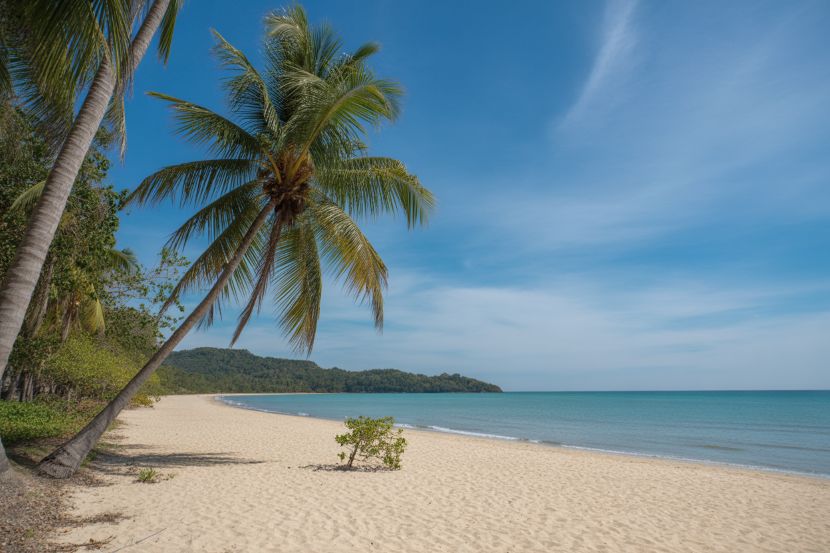
Southern Thailand, a popular travel destination known for its stunning beaches, national parks, and rich cultural heritage, has fully reopened to tourists following the receding of floodwaters. The Tourism Authority of Thailand (TAT) has confirmed that key destinations such as Phuket, Krabi, Ko Samui, and Hat Yai are now fully accessible, with most airports, transport links, and attractions operating as usual. This recovery marks a significant milestone for the region, offering tourists the opportunity to confidently travel to and within Southern Thailand.
Key Points:
Actionable Takeaways:
Contextual Insights:
The reopening of Southern Thailand follows a period of significant disruption due to floodwaters, highlighting the resilience and adaptability of the travel industry. This event underscores the importance of robust infrastructure and emergency response systems in the tourism sector. Looking forward, the focus on sustainable tourism and the recovery of key destinations present opportunities for innovation in travel tech, such as improved booking systems, enhanced safety measures, and eco-friendly travel solutions. Thought leaders in the industry are likely to emphasize the role of technology in facilitating seamless travel experiences and the importance of partnerships between governments, tourism boards, and private sector stakeholders to ensure long-term recovery and growth in the sector.
Read the Complete Article.
Boutique Travel VC raises investment cap from $1.5M to $10M to lead rounds and support portfolio companies through growth Travel...
Read moreDetails




