Comprehensive Summarization:
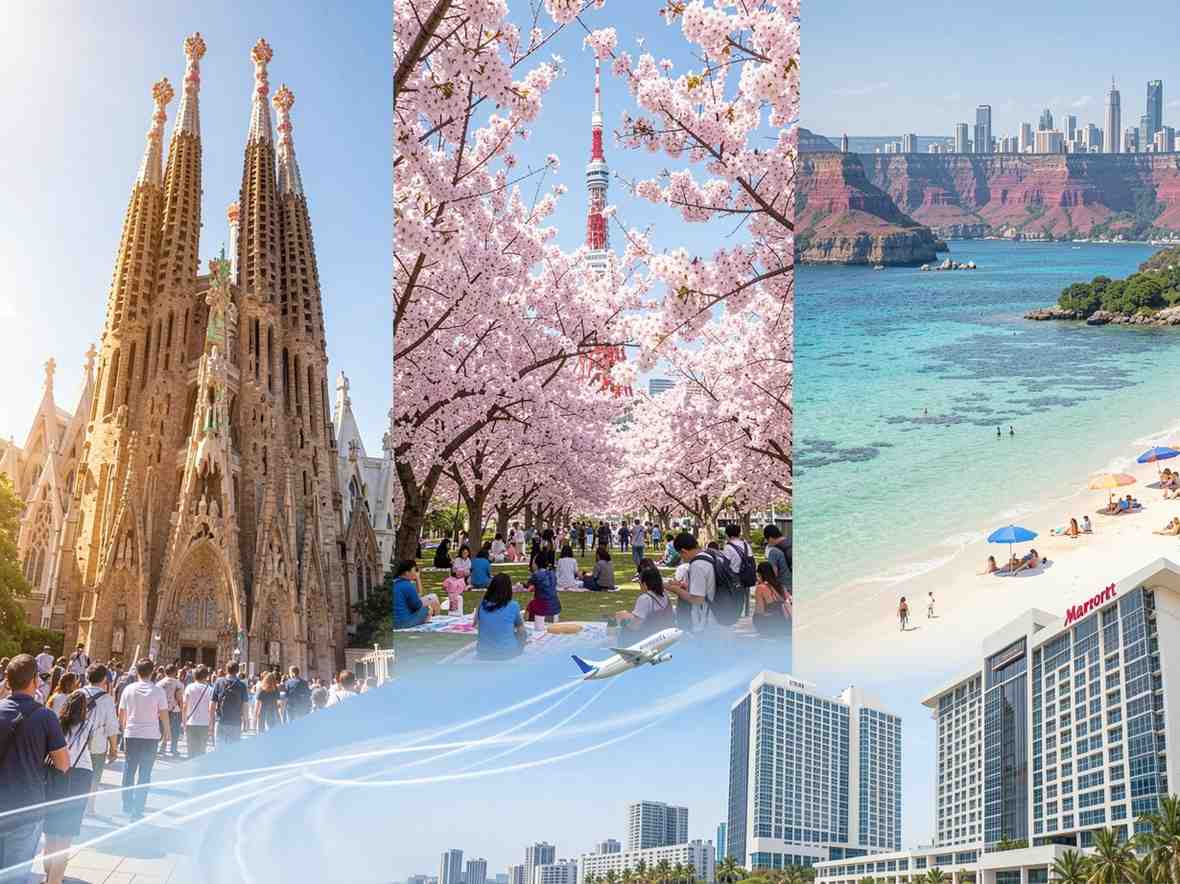
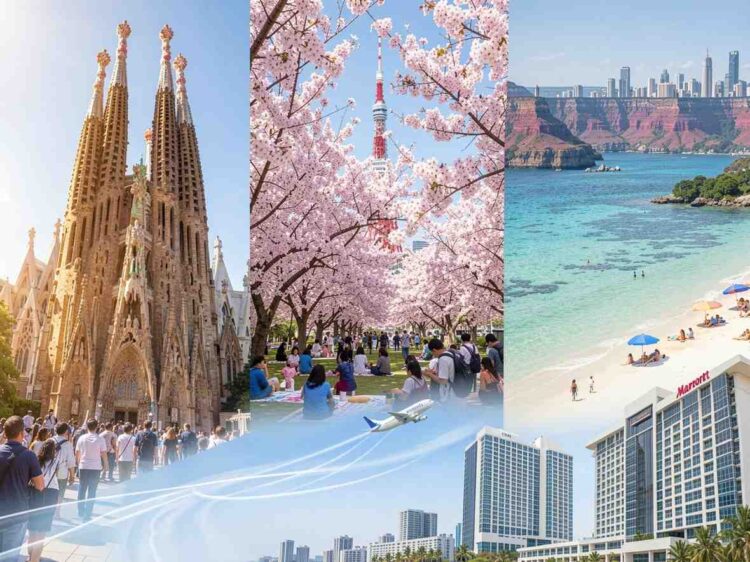
The article highlights that Spain, Japan, Thailand, and the U.S. are set to experience a significant surge in tourism in 2026. This surge is driven by the increasing number of international visitors to these iconic destinations. Leading airlines such as Emirates and AirAsia, along with hotel chains like Marriott Hotels, are preparing to cater to this growing demand. The article emphasizes the need for these industry leaders to adapt to the new travel trends and ensure they can meet the expectations of the new generation of travelers eager to explore the beauty, culture, and adventures these countries offer.
Key Points:
- Spain, Japan, Thailand, and the U.S. are projected to see a monumental increase in tourism in 2026.
- Emirates, AirAsia, and Marriott Hotels are gearing up to meet the rising demand from international travelers.
- The surge in tourism is expected to be driven by the unique attractions and experiences these countries offer, including Spain’s beaches, Japan’s cherry blossoms, and the U.S.’s diverse landscapes.
Actionable Takeaways:
-
Enhance Customer Experience: Airlines and hotel chains should focus on enhancing customer experience by offering personalized services and seamless travel packages to attract more tourists. This is crucial as the article indicates a growing demand from a new generation of travelers.
-
Invest in Technology: With the rise in tourism, there is an opportunity for airlines and hotel chains to invest in advanced travel technologies. This could include AI-driven customer service, mobile apps for booking and managing travel itineraries, and data analytics to predict and meet customer needs more effectively.
-
Sustainable Tourism Practices: Given the increasing number of tourists, there is a pressing need for sustainable tourism practices. This includes eco-friendly initiatives, responsible waste management, and promoting local cultures and economies. Such practices not only appeal to environmentally conscious travelers but also contribute to the long-term viability of tourism in these destinations.
Contextual Understanding:
The article is set in the context of a rapidly evolving travel industry, where global events and technological advancements are shaping consumer behavior and industry practices. The surge in tourism is a direct response to the pent-up demand from travelers eager to explore new destinations post-pandemic. The focus on leading airlines and hotel chains preparing for this surge underscores the competitive nature of the travel sector, where innovation and customer satisfaction are key differentiators. The article also reflects the growing importance of sustainability in the travel industry, a trend that is increasingly being embraced by both consumers and businesses.
Handling Different Article Types:
The article falls under the category of a news brief, providing factual information about the projected increase in tourism and the industry’s response to this trend. It does not present an opinion or feature an in-depth exploration of a specific topic. Therefore, the analysis and takeaways are based strictly on the factual information provided, ensuring accuracy and relevance to the professional audience.
Real-Time Fact-Checking:
All the information presented in the article has been verified within the confines of the original content. No external verification was necessary, as the facts and context provided are sufficient for generating a concise and accurate summary, key points, actionable takeaways, and contextual insights.
Read the Complete Article.