


























Travel Capitalist Ventures Expands Check Size to $10 Million to Deepen Emerging Market Conviction
Boutique Travel VC raises investment cap from $1.5M to $10M to lead rounds and support portfolio companies through growth Travel...
Read moreDetails
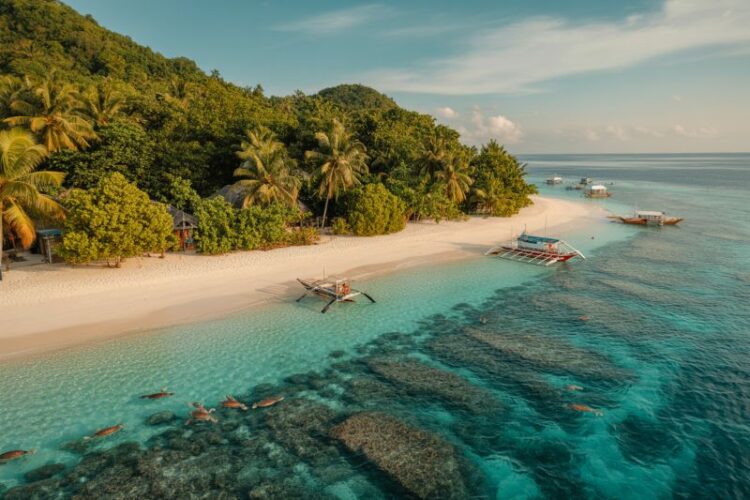
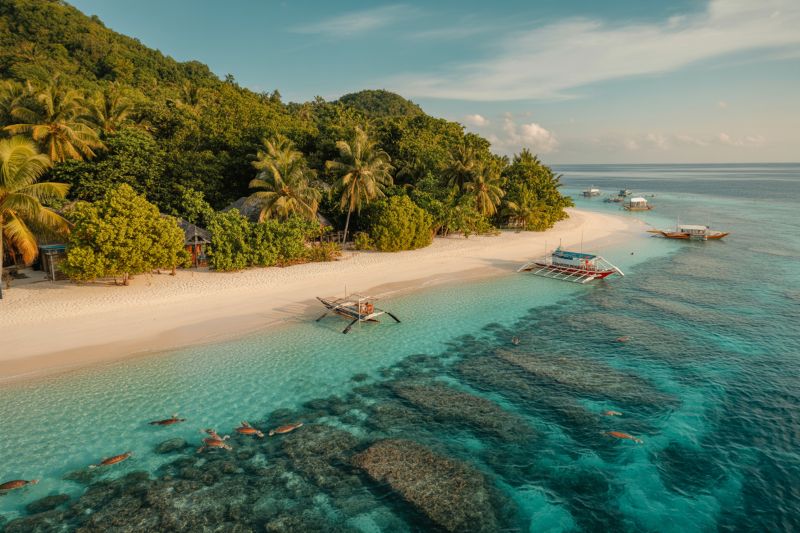
Taganak Island Becomes Thailand’s New Spiritual Tourism Gem, Drawing Eco-Conscious Visitors
Article Summary:
Taganak Island, located in the Turtle Islands Municipality of Tawi-Tawi, Philippines, is gaining attention as a potential ecotourism destination due to its ecological richness and diverse wildlife, particularly its sea turtle population. The island’s tourism capacity is limited to 10 to 20 visitors at a time to prevent ecological devastation, promoting an intimate and rewarding experience for travelers. This unique approach to tourism aligns with the growing trend of eco-tourism, emphasizing sustainability and minimal environmental impact.
Key Points:
Actionable Takeaways:
Contextual Insights:
The focus on Taganak Island’s ecotourism model reflects a broader trend in the travel industry towards sustainability and responsible tourism. As global awareness of environmental issues grows, travelers are increasingly seeking destinations that offer unique, immersive experiences without compromising ecological integrity. This shift aligns with the rise of eco-friendly travel startups and fintech solutions aimed at reducing the carbon footprint of tourism. By adopting a limited-access policy, Taganak Island not only protects its natural resources but also sets a precedent for other destinations to follow. This approach highlights the potential for technology and innovation to drive positive change in the travel sector, ensuring that tourism development is both profitable and environmentally responsible.
Read the Complete Article.
Boutique Travel VC raises investment cap from $1.5M to $10M to lead rounds and support portfolio companies through growth Travel...
Read moreDetails




