






















Travel Capitalist Ventures Expands Check Size to $10 Million to Deepen Emerging Market Conviction
Boutique Travel VC raises investment cap from $1.5M to $10M to lead rounds and support portfolio companies through growth Travel...
Read moreDetails

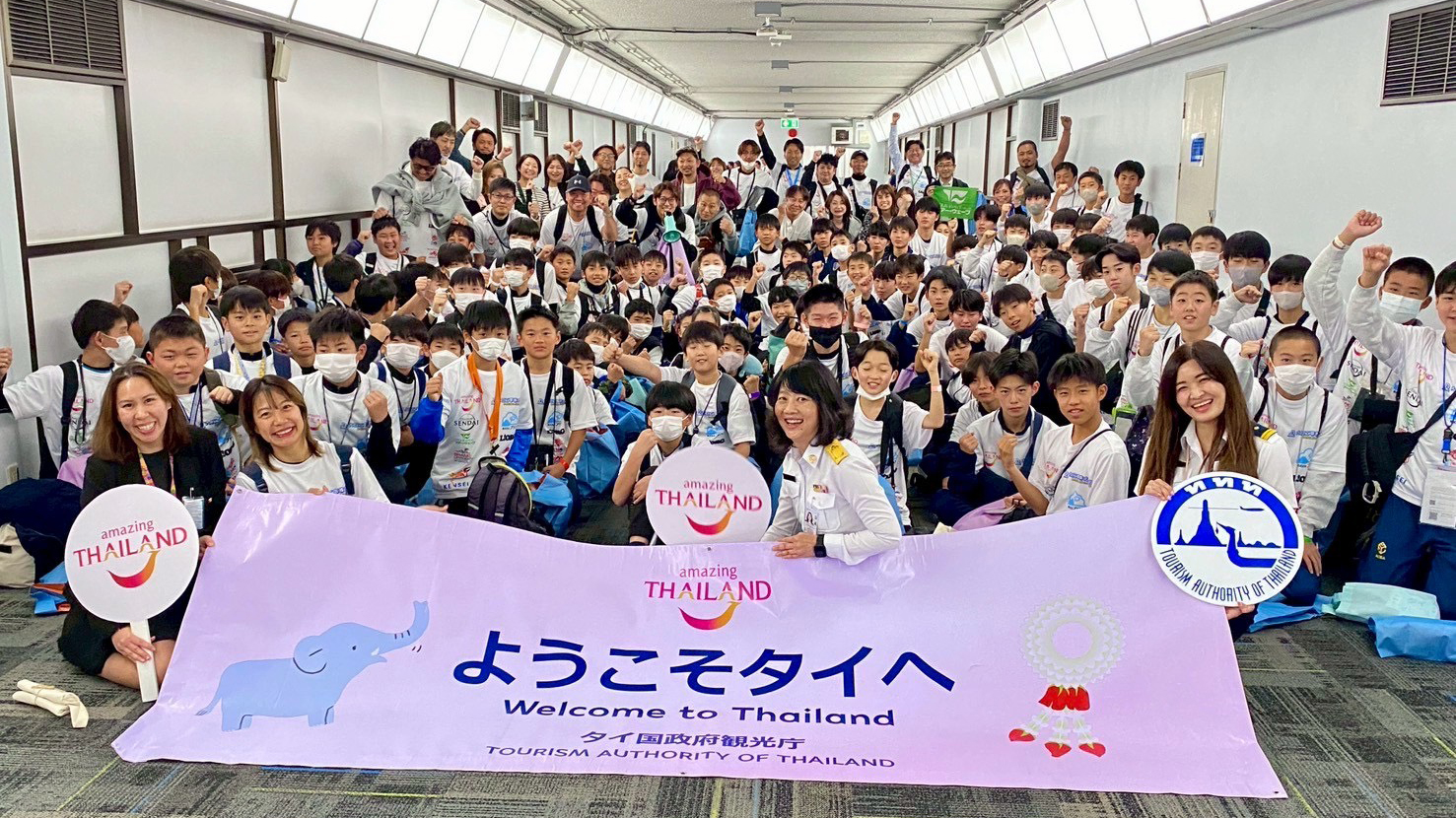
TAT Welcomes the Launch of Three New Japan–Bangkok Routes by Thai AirAsia X and Thai Lion Air
Article Summary:
The Tourism Authority of Thailand (TAT) has launched new Japan-Bangkok routes in collaboration with Thai AirAsia X and Thai Lion Air, targeting Millennial and Gen Z travelers. This initiative aims to boost tourism, particularly during the year-end period, and anticipates surpassing one million Japanese visitors by 2025. The enhanced connectivity through these routes is expected to stimulate travel demand and provide greater short-haul access to Thailand’s most valuable international market.
Key Points:
Actionable Takeaways:
Increased Tourism Revenue: By attracting one million Japanese visitors by 2025, the tourism industry in Thailand is expected to see a significant revenue boost. This growth can lead to increased job opportunities and economic development in the region.
Relevance: The article highlights the potential for substantial economic gains, making it a critical insight for stakeholders in the travel industry.
Targeting Key Travel Demographics: The emphasis on Millennial and Gen Z travelers indicates a strategic shift towards catering to younger, tech-savvy demographics. This approach aligns with broader industry trends focusing on digital engagement and personalized travel experiences.
Relevance: Understanding and targeting specific age groups can enhance marketing strategies and improve customer satisfaction, leading to increased bookings and loyalty.
Strategic Route Expansion: The introduction of new routes to key Japanese cities like Sendai, Hokkaido, and Osaka demonstrates a proactive strategy to expand Thailand’s international reach. This expansion can lead to increased air traffic and partnerships with Japanese airlines, fostering further growth in the travel sector.
Relevance: The strategic route expansion is a forward-looking move that positions Thailand as a more accessible and attractive destination for Japanese tourists, potentially leading to long-term growth in tourism numbers.
Contextual Insights:
The launch of these new routes by the Tourism Authority of Thailand aligns with the current industry trend of expanding international connectivity to attract younger, digitally engaged travelers. This move is particularly relevant in the context of post-pandemic travel recovery, where there is a strong emphasis on reopening borders and boosting tourism. The focus on Millennial and Gen Z travelers also reflects a broader industry shift towards leveraging digital platforms for marketing and customer engagement. Furthermore, the anticipated surpassing of one million Japanese visitors by 2025 underscores the potential for Thailand to become a leading destination for Japanese tourists, a goal that could be supported by continued investment in travel infrastructure and marketing strategies. The article also hints at the importance of technological advancements in travel, such as improved connectivity and digital booking platforms, which are likely to play a crucial role in enhancing the travel experience for these demographics.
Read the Complete Article.
Boutique Travel VC raises investment cap from $1.5M to $10M to lead rounds and support portfolio companies through growth Travel...
Read moreDetails




