


















Travel Capitalist Ventures Expands Check Size to $10 Million to Deepen Emerging Market Conviction
Boutique Travel VC raises investment cap from $1.5M to $10M to lead rounds and support portfolio companies through growth Travel...
Read moreDetails
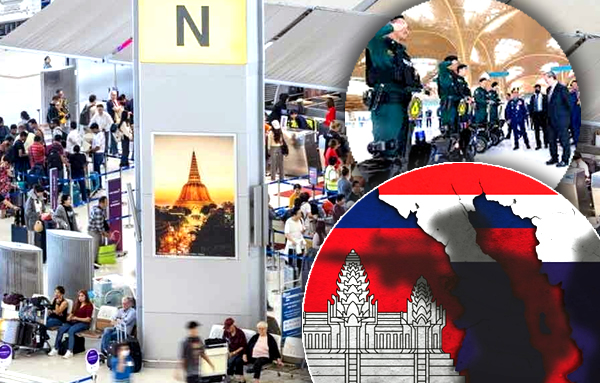
Suvarnabhumi Airport in Bangkok. (Isnet) Cambodian Prime Minister Hun Manet opens Techo International Airport just outside Phnom Penh in September 2025. Tensions between the countries hang over vital flight links. (Source: Thai Rath)
Article Summary:
The article discusses a diplomatic clash between Thai and Cambodian airport authorities, with Cambodian officials accusing Thai hubs of targeting travelers with delays and lost baggage. Despite this, flights continue amid ongoing border tensions and security concerns across the region. The tourism sector in both countries has seen a decline of 8–10% in 2025, attributed to the ongoing war and security fears, particularly concerning scam centers. Despite the challenges, air traffic remains two-way between the two countries, indicating a resilient travel sector amidst geopolitical tensions.
Key Points:
Actionable Takeaways:
Mitigate Security Concerns to Boost Tourism: Given the drop in tourism numbers due to security fears, both Thai and Cambodian authorities should prioritize enhancing security measures at airports. Implementing transparent and efficient baggage handling systems could help rebuild traveler confidence and potentially reverse the decline in tourism numbers. This action is crucial as security concerns directly impact travel decisions and could lead to a recovery in tourism if addressed effectively.
Leverage Two-Way Air Traffic for Recovery: Despite the diplomatic tensions, the fact that air traffic remains two-way between Thailand and Cambodia presents an opportunity for both countries to recover their tourism sectors. Airlines and travel agencies could focus on promoting direct flights and seamless travel experiences to capitalize on the existing air connectivity. This strategy could help mitigate the impact of the ongoing border war and security concerns, encouraging travelers to choose these routes for their journeys.
Invest in Travel Tech Solutions: The article highlights the challenges faced by airports in managing passenger flow and baggage handling amid diplomatic tensions. Investing in advanced travel technology solutions, such as automated baggage tracking systems and AI-driven customer service platforms, could streamline operations and enhance the traveler experience. Such innovations not only address operational inefficiencies but also build trust among travelers, potentially aiding in the recovery of tourism numbers.
Contextual Insights:
The article reflects the current state of the travel industry amidst geopolitical tensions and security concerns. The decline in tourism numbers in Thailand and Cambodia underscores the vulnerability of the travel sector to external factors such as border disputes and security fears. The ongoing border war and controversies surrounding scam centers have significantly impacted traveler confidence, leading to a decrease in tourist arrivals. However, the fact that air traffic remains open between the two countries highlights the resilience of the travel sector, as air travel continues to operate despite the challenges.
Looking ahead, the travel industry must adapt to these challenges by focusing on security enhancements, leveraging existing air connectivity, and investing in travel technology solutions. These actions are essential for rebuilding trust among travelers and ensuring the sustainable growth of the tourism sector. As geopolitical tensions persist, proactive measures to address security concerns and operational inefficiencies will be critical in stabilizing and revitalizing the travel industry in the region.
Read the Complete Article.
Boutique Travel VC raises investment cap from $1.5M to $10M to lead rounds and support portfolio companies through growth Travel...
Read moreDetails



Comprehensive Summarization: The article from the Nepal Police's Central Investigation Bureau (CIB) reveals one of the largest insurance frauds in...
Read moreDetails
