


















Travel Capitalist Ventures Expands Check Size to $10 Million to Deepen Emerging Market Conviction
Boutique Travel VC raises investment cap from $1.5M to $10M to lead rounds and support portfolio companies through growth Travel...
Read moreDetails

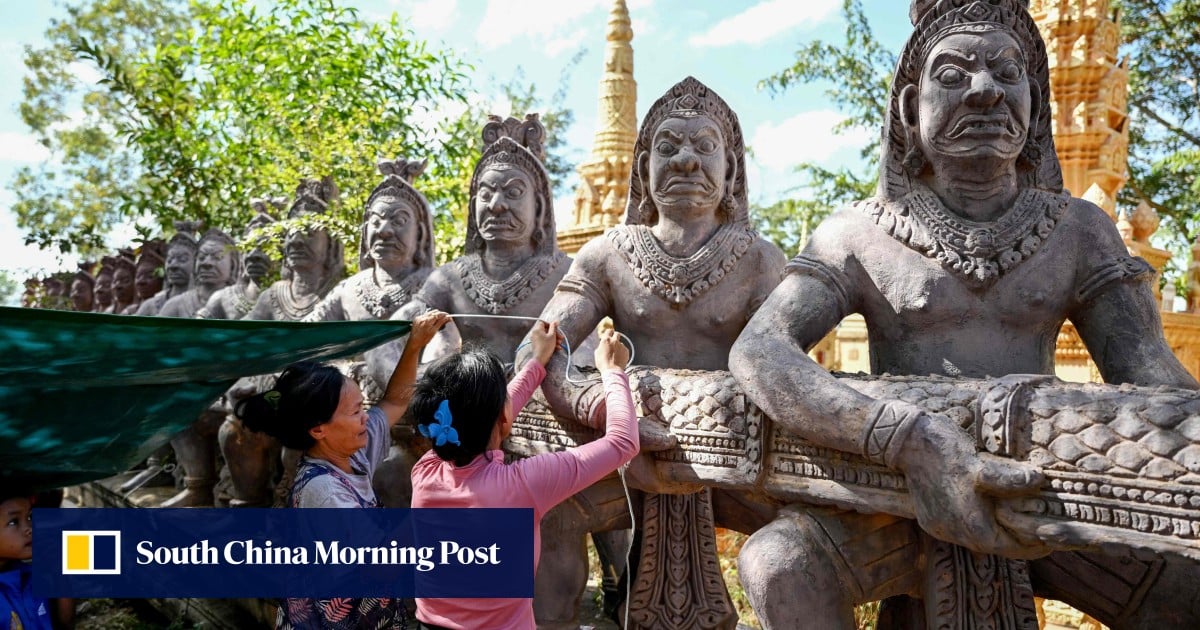
Residents flee Srei Snam district in Cambodia’s Siem Reap province on Monday after a Thai air strike. Photo: Agence Kampuchea Presse/Xinhua
Article Summary:
The article discusses the escalating economic and political tensions along the Thai-Cambodian border as the peak tourist season commences for both nations. Thailand has implemented an overnight curfew in parts of Trat, a southern province bordering Cambodia, and has intensified screening of air arrivals to prevent the entry of foreign “mercenaries.” Cambodia, on the other hand, claims that the Thai air force conducted an airstrike on Siem Reap province, home to the renowned Angkor Wat temple complex, which is a major tourist attraction. The incident has heightened concerns over the safety and security of tourists in the region.
Key Points:
Actionable Takeaways:
Contextual Insights:
The escalating tensions along the Thai-Cambodian border underscore the volatile nature of regional geopolitics and its direct impact on the travel industry. The imposition of curfews and intensified security measures reflect a broader trend of heightened vigilance in border regions, which can significantly affect tourist flow and local economies. This situation highlights the importance of real-time information and agile travel planning in navigating geopolitical uncertainties. Furthermore, the reliance on advanced security technologies and collaborative efforts between neighboring countries could set a precedent for regional cooperation in managing travel-related risks. As the travel industry continues to evolve, adapting to such challenges will be crucial for sustaining growth and ensuring the safety of travelers.
Read the Complete Article.
Boutique Travel VC raises investment cap from $1.5M to $10M to lead rounds and support portfolio companies through growth Travel...
Read moreDetails




