


No products in the cart.
- Latest
- Trending

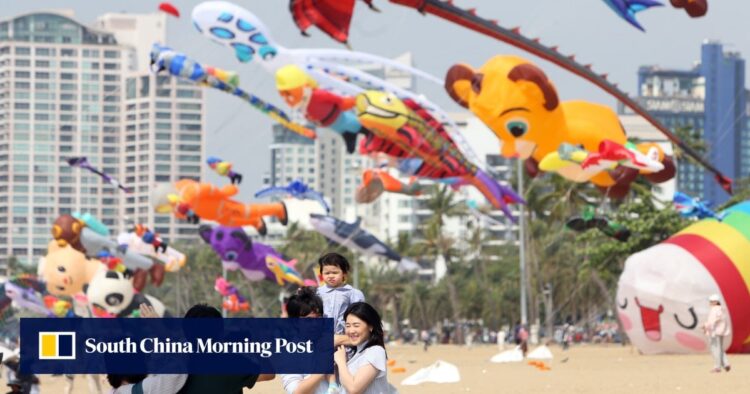
Foreign tourists look at a robot figure made from metal scrap at a tourist spot in Talad Noi, a historic community in Bangkok, Thailand. Photo: EPA
Comprehensive Summarization:
The article highlights a significant discount trend in luxury hotel rooms in Thailand during the peak holiday season, triggered by the unplanned spin-off from the Iran war. This discount surge is a response to the surge in diesel costs caused by the choking of the Strait of Hormuz due to the Iran war. The increased fuel costs have led many Thais to postpone or cancel domestic travel plans, particularly for the Songkran holiday starting on April 13. This situation has brought back memories of the Covid-19 pandemic era for some tourism businesses, with bookings being anaemic. Additionally, there is a growing market for resales of hotel rooms, glamping tents, and mountain resorts, indicating a shift in consumer behavior and travel preferences.
Key Points:
Actionable Takeaways:
Shift in Consumer Behavior: The surge in diesel costs and geopolitical tensions are causing a shift in consumer travel behavior, with many Thais opting to postpone or cancel domestic travel plans. This trend suggests that travel companies should anticipate a decrease in demand during the Songkran holiday and prepare accordingly.
Opportunity in Resale Market: The growing market for reselling hotel rooms, glamping tents, and mountain resorts indicates a potential opportunity for travel startups and businesses to capitalize on this trend. Companies could explore innovative solutions to facilitate this market, such as creating platforms that connect travelers with available accommodations, thereby maximizing occupancy rates during low-demand periods.
Focus on Alternative Travel Experiences: The article hints at a potential increase in demand for alternative travel experiences, such as glamping and mountain resorts, as consumers seek unique and less conventional travel options. Travel companies could leverage this trend by developing new offerings that cater to these preferences, potentially tapping into a niche market that is less affected by traditional travel disruptions.
Contextual Insights:
The article’s context is deeply rooted in the current geopolitical climate and its direct impact on the travel industry. The Iran war and the subsequent choke on the Strait of Hormuz have led to a surge in diesel costs, a critical factor in the travel industry given the high fuel consumption associated with air and sea travel. This situation mirrors the challenges faced during the Covid-19 pandemic, where travel restrictions and economic uncertainties led to a significant downturn in tourism. The article also touches on the growing market for reselling travel accommodations, a trend that reflects a broader shift in consumer behavior towards flexibility and alternative travel experiences. This context underscores the need for travel companies to be agile and responsive to changing market conditions, leveraging technology and innovation to adapt to new consumer preferences and mitigate the impact of external disruptions.
Read the Complete Article.
Get curated travel AI insights — choose the newsletters that matter to you.
ALTOUR Expands into Thailand, Strengthening Corporate Travel Network Across Southeast Asia BANGKOK, THAILAND (25 March, 2026) – ALTOUR, a leading...
Read moreDetails


Comprehensive Summarization: The article highlights a significant discount trend in luxury hotel rooms in Thailand during the peak holiday season,...
Read moreDetails