





















Travel Capitalist Ventures Expands Check Size to $10 Million to Deepen Emerging Market Conviction
Boutique Travel VC raises investment cap from $1.5M to $10M to lead rounds and support portfolio companies through growth Travel...
Read moreDetails
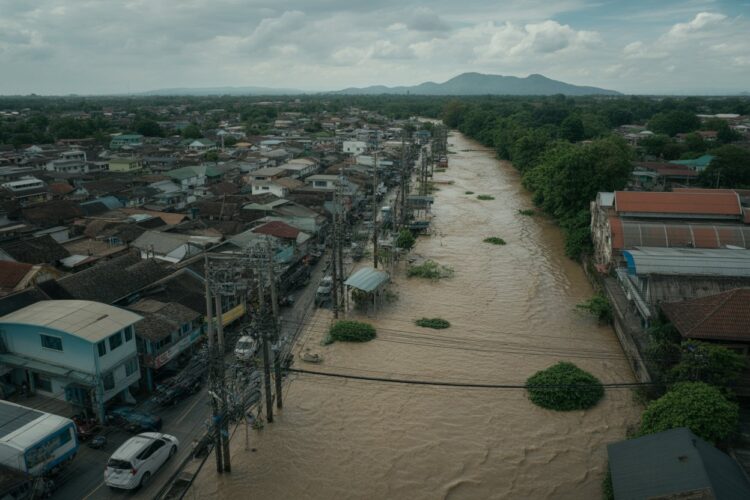
Thailand Travel Update 2025: How Southern Flood Impacts Tourism, Recovery Strategy-All You Need To K...
Article Summary:
The article titled “Thailand Travel Update 2025: How Southern Flood Impacts Tourism, Recovery Strategy-All You Need To Know Now!” reports on the severe flooding that disrupted travel in Southern Thailand, particularly in major hubs like Hat Yai and Songkhla. The flooding led to significant travel disruptions, including halted hospitality operations and emergency responses. However, government agencies and tourism authorities swiftly initiated recovery strategies to stabilize travel conditions and maintain Thailand’s reputation as a welcoming travel destination. The article underscores the resilience of Thailand’s tourism sector in the face of natural disasters and highlights the swift response mechanisms in place for such emergencies.
Key Points:
Actionable Takeaways:
Enhanced Disaster Preparedness in Tourism: The article highlights the swift response of government agencies and tourism authorities to the flooding. Takeaway: Travel companies should invest in enhanced disaster preparedness plans, including real-time monitoring of weather conditions and contingency plans for rapid recovery. This ensures minimal disruption to travel itineraries and maintains customer trust during emergencies.
Leveraging Technology for Recovery: The swift recovery strategy implemented by authorities suggests a reliance on technology for managing and mitigating the impacts of natural disasters. Takeaway: Travel businesses can benefit from integrating advanced technologies such as AI-driven predictive analytics and IoT-based monitoring systems to anticipate and respond to potential disruptions more effectively. This not only aids in recovery but also enhances overall operational resilience.
Contextual Insights:
The flooding in Southern Thailand underscores the vulnerability of travel destinations to natural disasters and the importance of robust recovery strategies. This event is a reminder of the need for continuous investment in infrastructure and technology to mitigate risks associated with climate change. The resilience demonstrated by Thailand’s tourism sector in recovering quickly from such disruptions is a testament to effective governance and preparedness. Looking forward, the travel industry should focus on leveraging technology and fostering partnerships with governmental bodies to ensure that destinations remain resilient against future challenges. This forward-looking perspective aligns with current industry trends emphasizing sustainability, technology integration, and proactive risk management.
Read the Complete Article.
Boutique Travel VC raises investment cap from $1.5M to $10M to lead rounds and support portfolio companies through growth Travel...
Read moreDetails




