

























Travel Capitalist Ventures Expands Check Size to $10 Million to Deepen Emerging Market Conviction
Boutique Travel VC raises investment cap from $1.5M to $10M to lead rounds and support portfolio companies through growth Travel...
Read moreDetails
Thailand Travel Update 2025: How Southern Flood Impacts Tourism, Recovery Strategy-All You Need To K...
Article Summary:
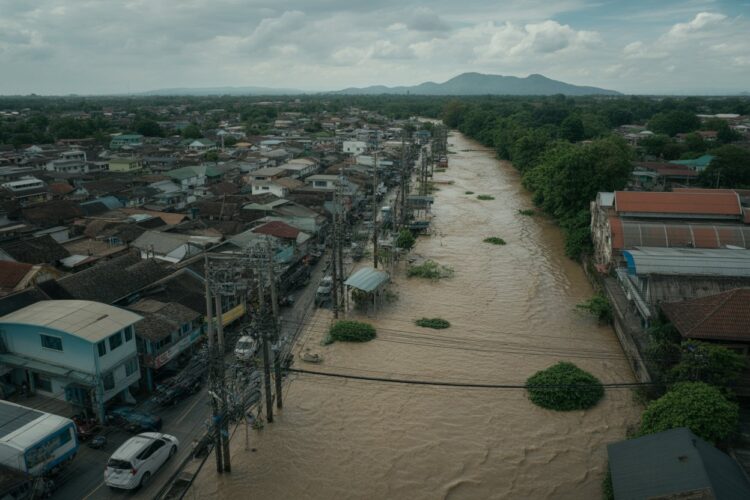
The article titled “Thailand Travel Update 2025: How Southern Flood Impacts Tourism, Recovery Strategy-All You Need To Know Now!” reports on the severe flooding that has disrupted travel in Southern Thailand, particularly in major hubs like Hat Yai and Songkhla. The flooding has caused significant travel disruptions, including the suspension of hospitality operations and the activation of emergency responses. Despite the challenges, government agencies and tourism authorities have been working diligently to stabilize travel conditions and support recovery efforts, aiming to maintain Thailand’s reputation as a welcoming travel destination.
Key Points:
Actionable Takeaways:
Enhanced Disaster Preparedness in Tourism: The flooding highlights the need for enhanced disaster preparedness strategies in the tourism sector. Travel operators should invest in robust contingency plans, including real-time monitoring of weather conditions and flexible booking policies, to minimize disruptions and maintain customer trust. This proactive approach can help sustain Thailand’s appeal as a safe and reliable travel destination.
Collaborative Recovery Efforts: The swift response from government agencies and tourism authorities underscores the importance of collaborative efforts in recovery. Travel industry stakeholders should foster stronger partnerships with local governments and emergency services to ensure a coordinated and efficient recovery process. This collaboration can expedite the restoration of travel services and support the economic recovery of affected areas.
Contextual Insights:
The flooding in Southern Thailand serves as a stark reminder of the vulnerabilities faced by the travel industry in the face of natural disasters. It highlights the critical importance of resilience and adaptability in travel operations. As climate change continues to pose increasing risks, the travel industry must innovate and invest in technologies and strategies that enhance disaster preparedness and recovery. This includes leveraging advanced weather forecasting tools, developing flexible travel policies, and enhancing communication channels to keep travelers informed and reassured. Furthermore, the incident underscores the need for continuous investment in infrastructure that can withstand extreme weather events, ensuring the long-term sustainability and attractiveness of Thailand as a travel destination. By integrating these insights, the travel industry can better navigate future challenges and maintain its position as a premier travel destination.
Read the Complete Article.
Boutique Travel VC raises investment cap from $1.5M to $10M to lead rounds and support portfolio companies through growth Travel...
Read moreDetails




