



















Travel Capitalist Ventures Expands Check Size to $10 Million to Deepen Emerging Market Conviction
Boutique Travel VC raises investment cap from $1.5M to $10M to lead rounds and support portfolio companies through growth Travel...
Read moreDetails
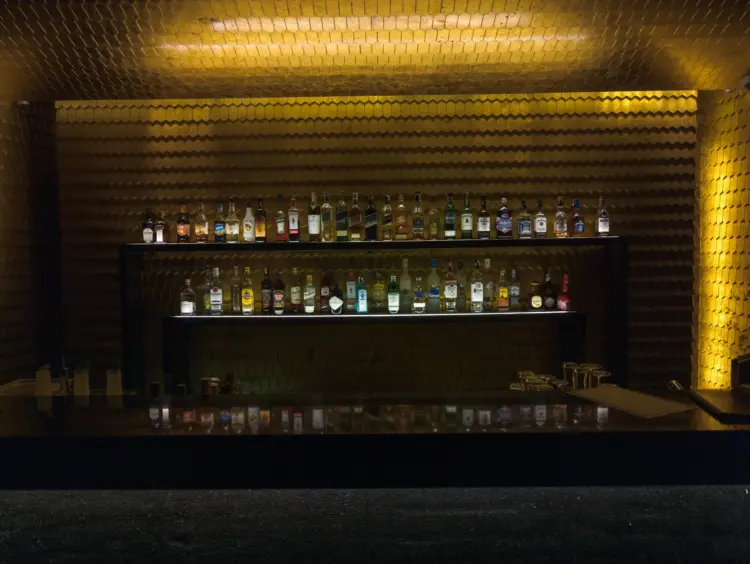
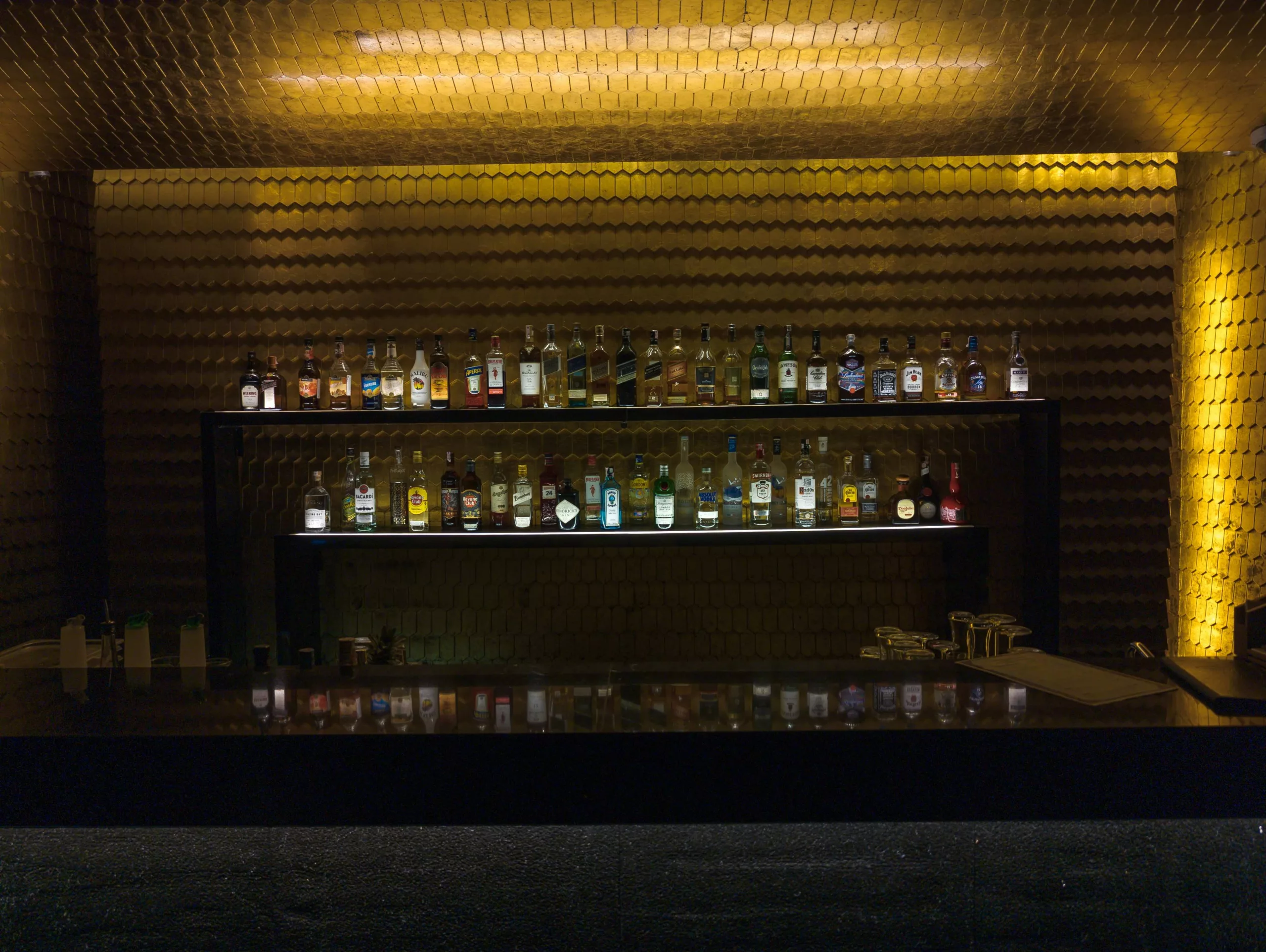
Thailand launches six month trial to relax alcohol rules
Article Summary:
Thailand has temporarily relaxed its longstanding alcohol regulations, allowing restaurants, liquor stores, and accredited venues to sell beer, wine, and spirits from 14:00 to 17:00. This change is part of a six-month trial aimed at enhancing visitor experience during the country’s peak travel season. The decision comes as Thailand seeks to boost tourism, with the move being implemented in response to the need for more flexible drinking hours.
Key Points:
Actionable Takeaways:
Contextual Insights:
The introduction of flexible alcohol regulations in Thailand reflects a broader trend in the travel industry towards enhancing visitor experiences through regulatory adjustments. As tourism rebounds post-pandemic, countries are exploring innovative ways to attract visitors while ensuring public safety. This move by Thailand aligns with the industry’s focus on leveraging technology and policy changes to create more appealing destinations. Furthermore, it underscores the importance of balancing regulatory measures with economic incentives to drive tourism growth. The trial period will provide valuable insights into the effectiveness of such regulatory changes, potentially influencing tourism policies globally.
Read the Complete Article.
Boutique Travel VC raises investment cap from $1.5M to $10M to lead rounds and support portfolio companies through growth Travel...
Read moreDetails




